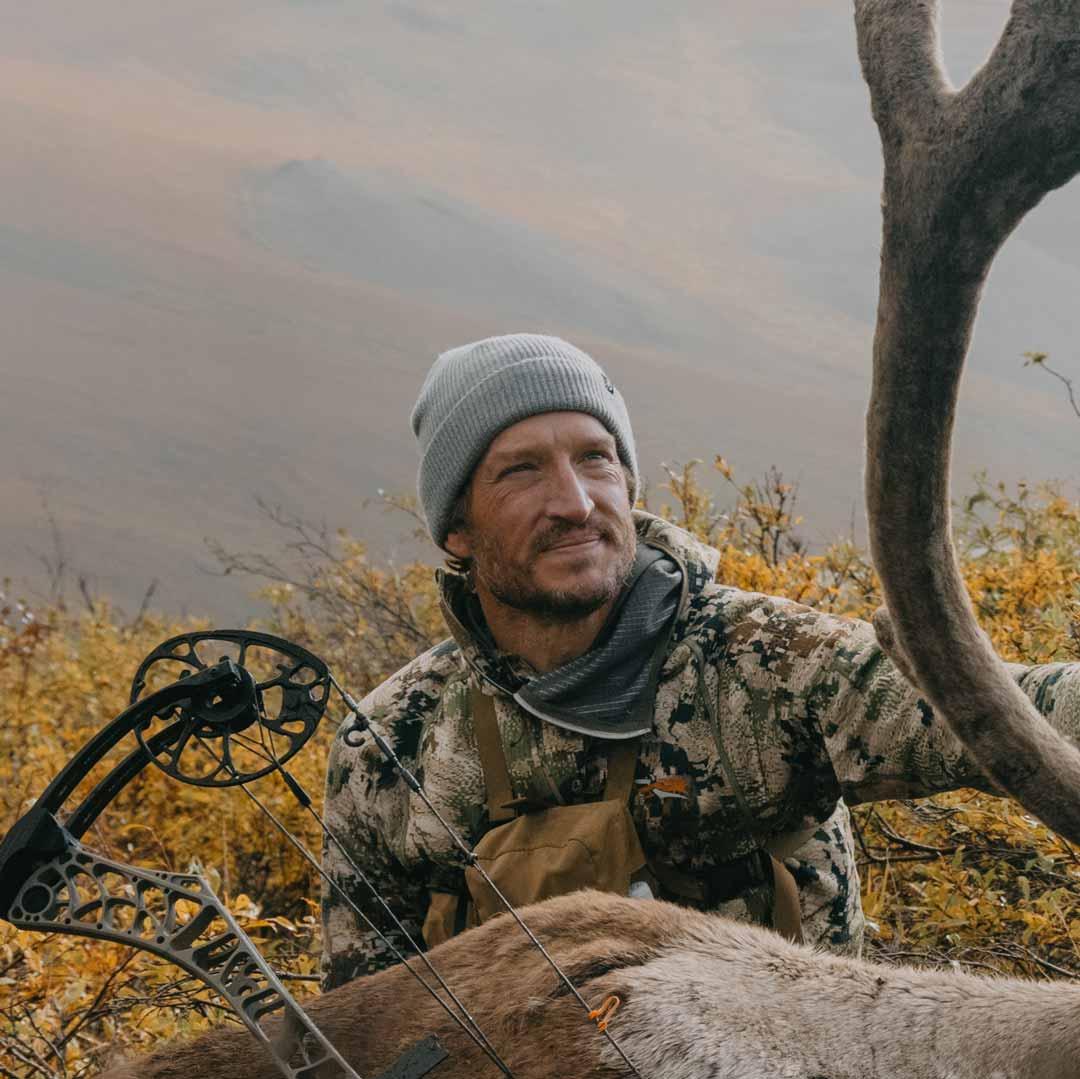

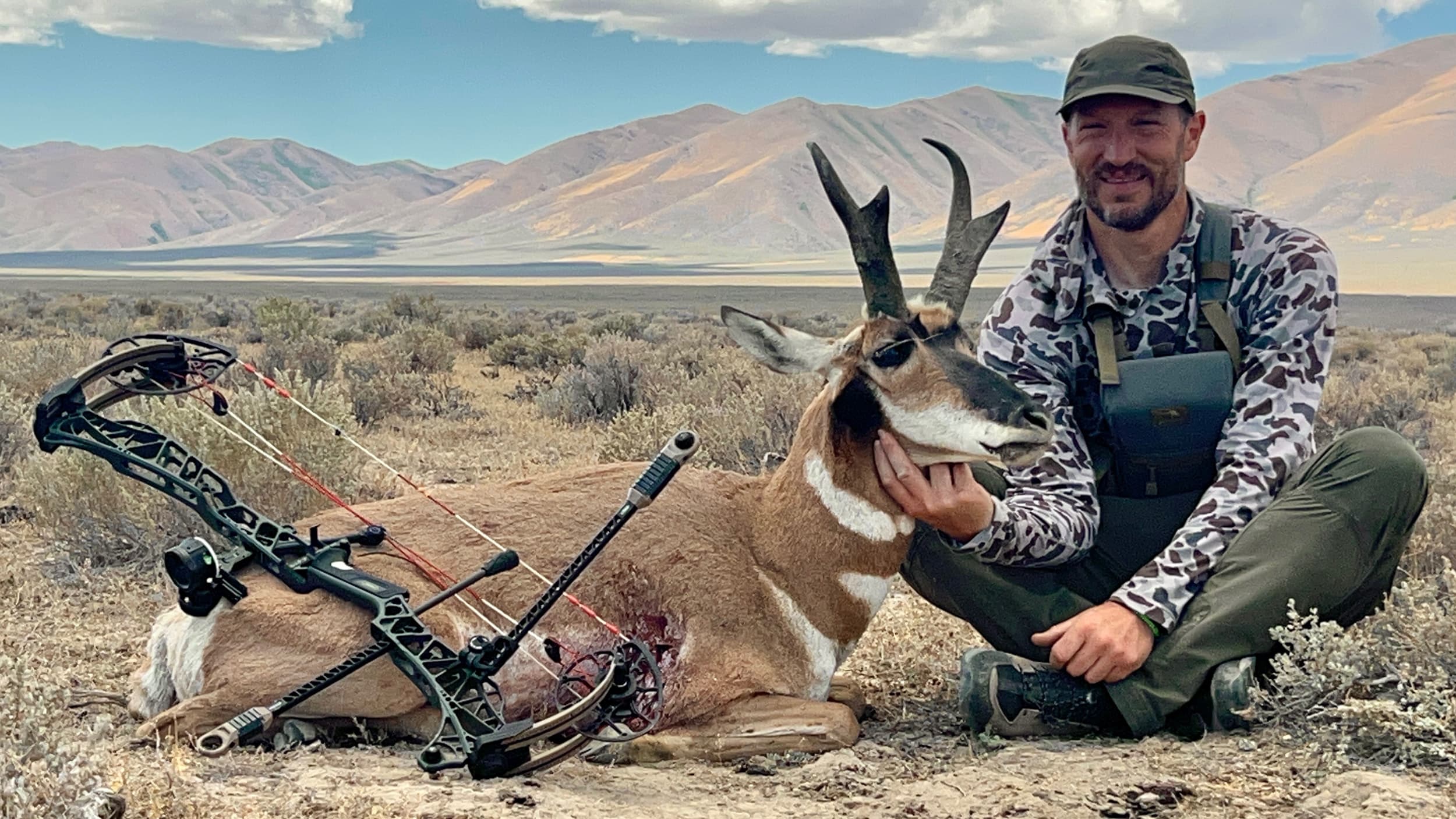
Trail's tips for bowhunting antelope with a ground blind. E-scouting tactics, boots on the ground scouting methods, blind placement, and other considerations for a successful hunt

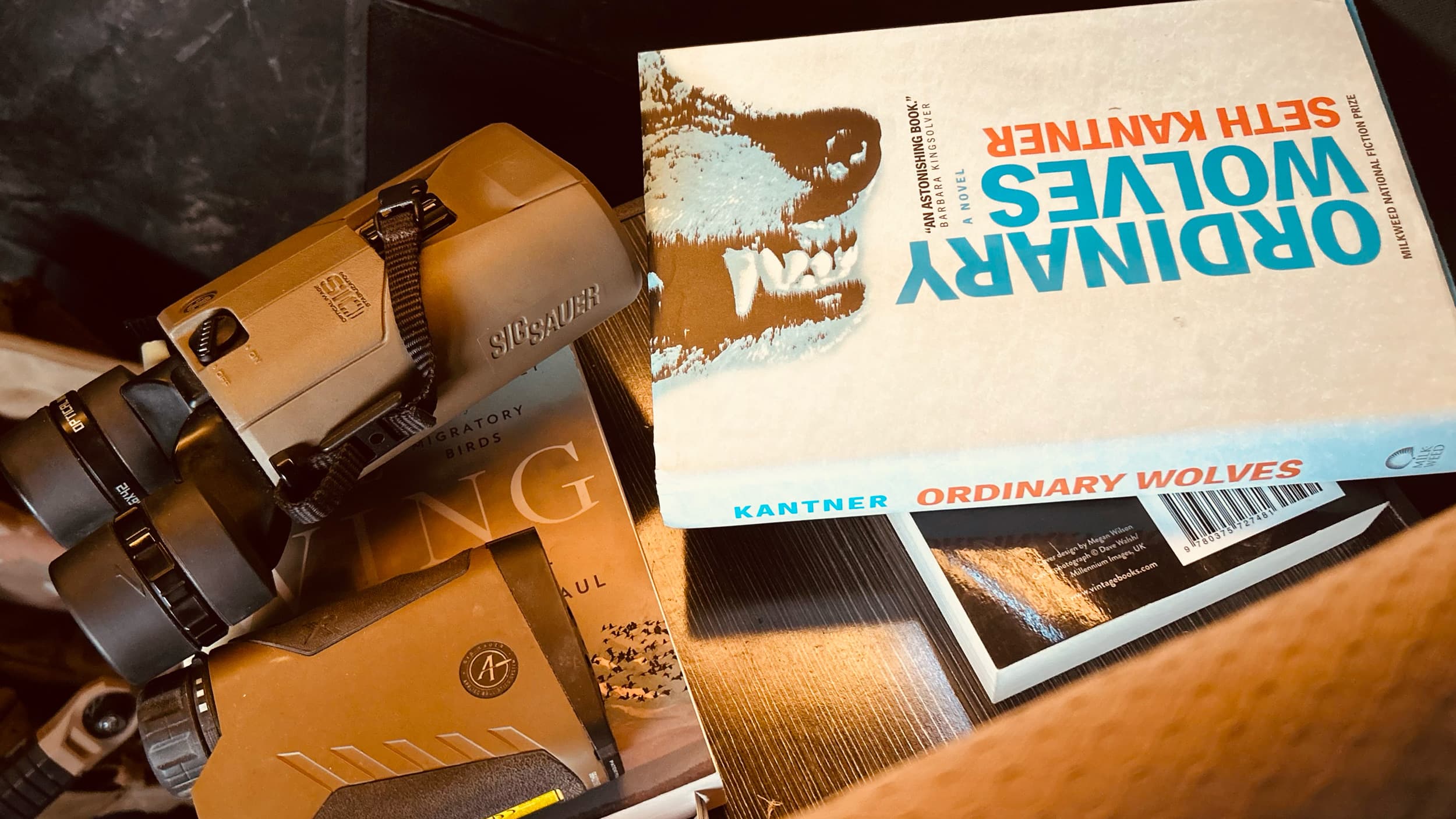
Gear for archery antelope hunting from a ground blind. Books, binoculars, and a rangefinder.
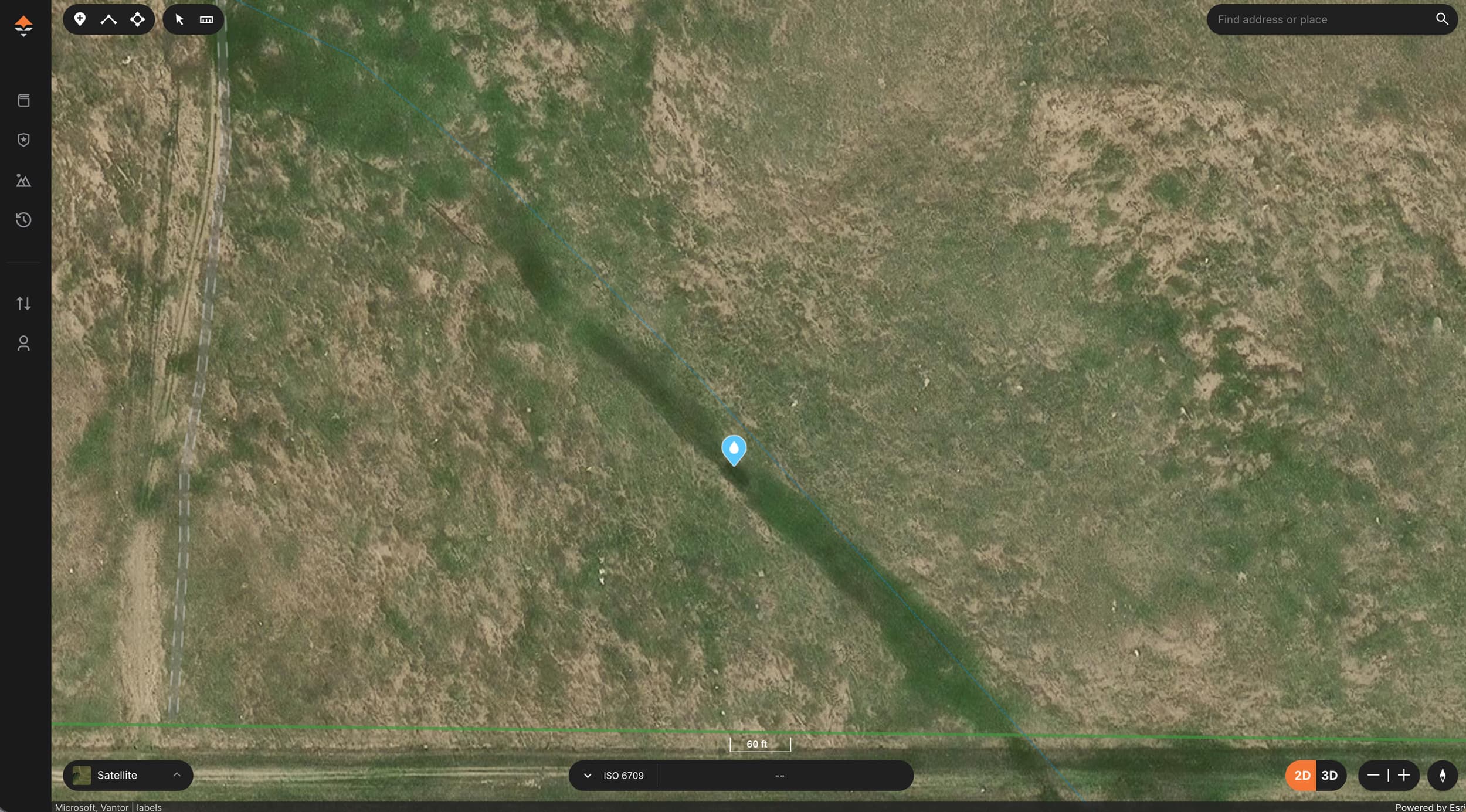
Looking for vibrant green patches for signs of water that other people might overlook.
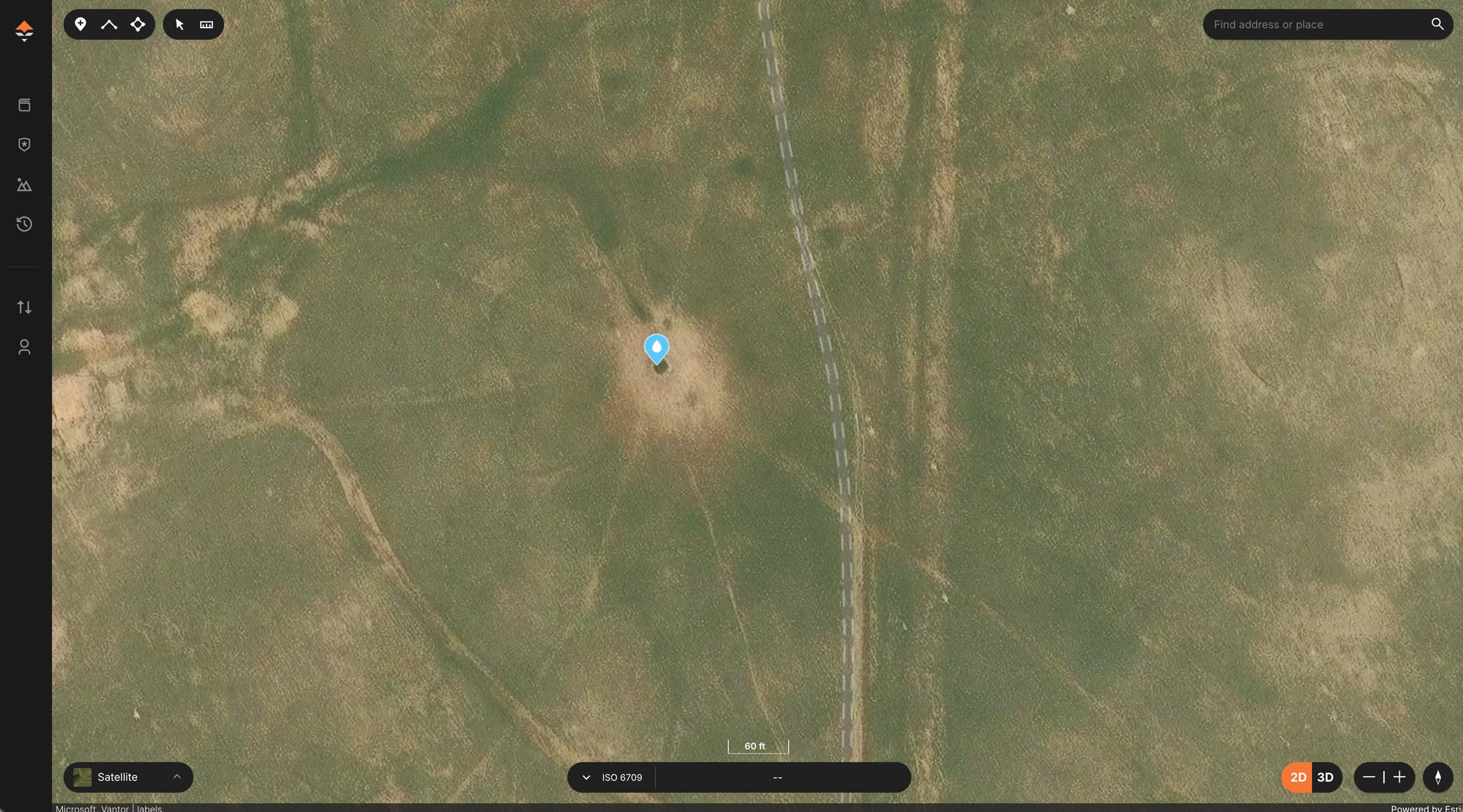
Looking for "wagon wheels" around a water source.
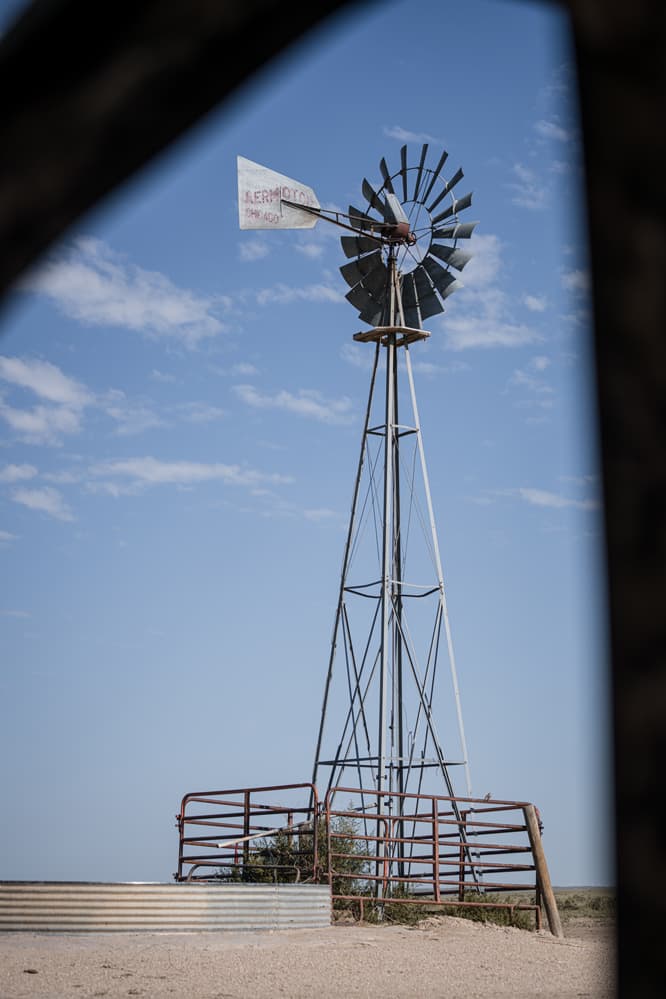
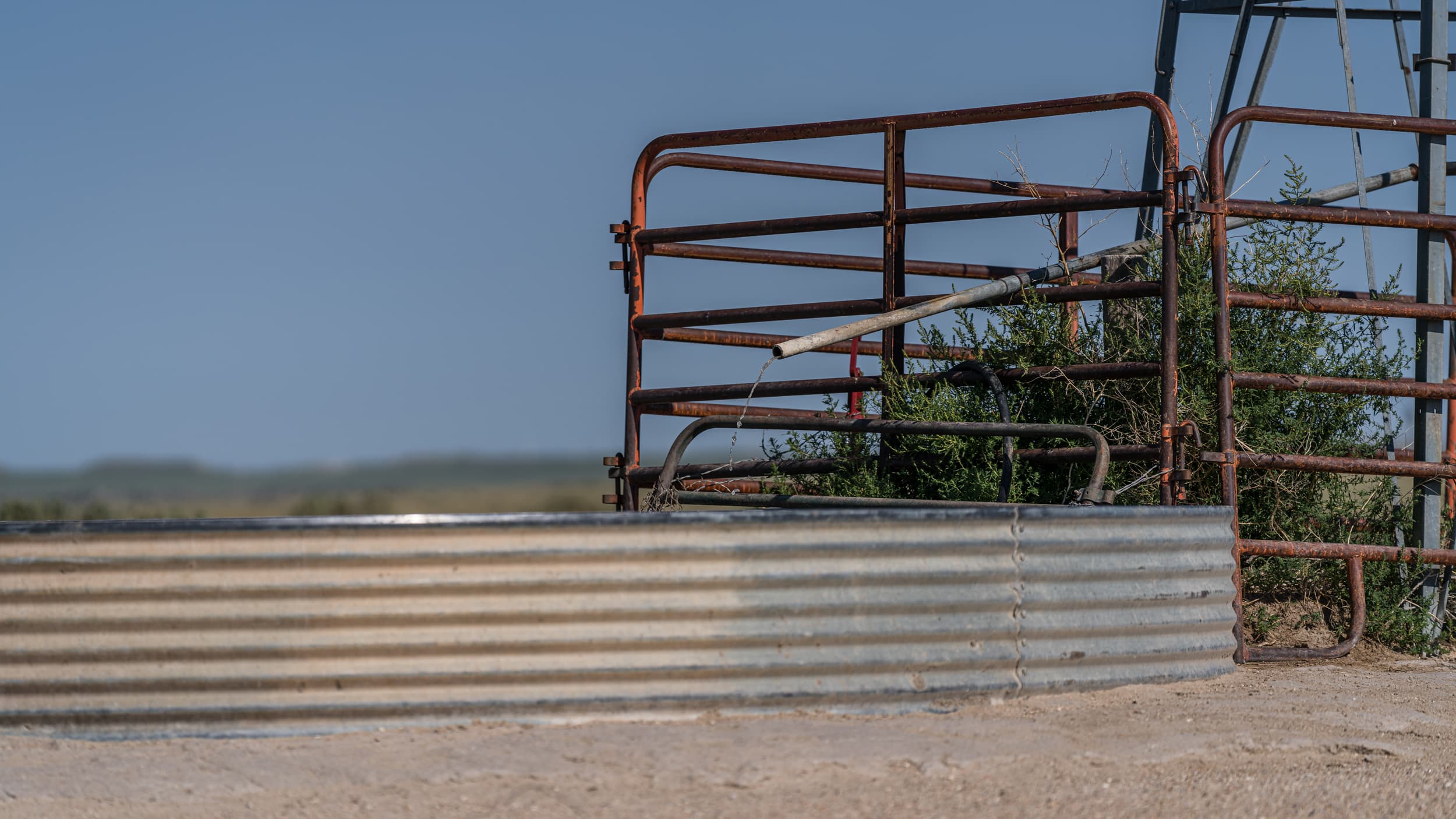
Windmill pulling water out of the ground into a stock tank.
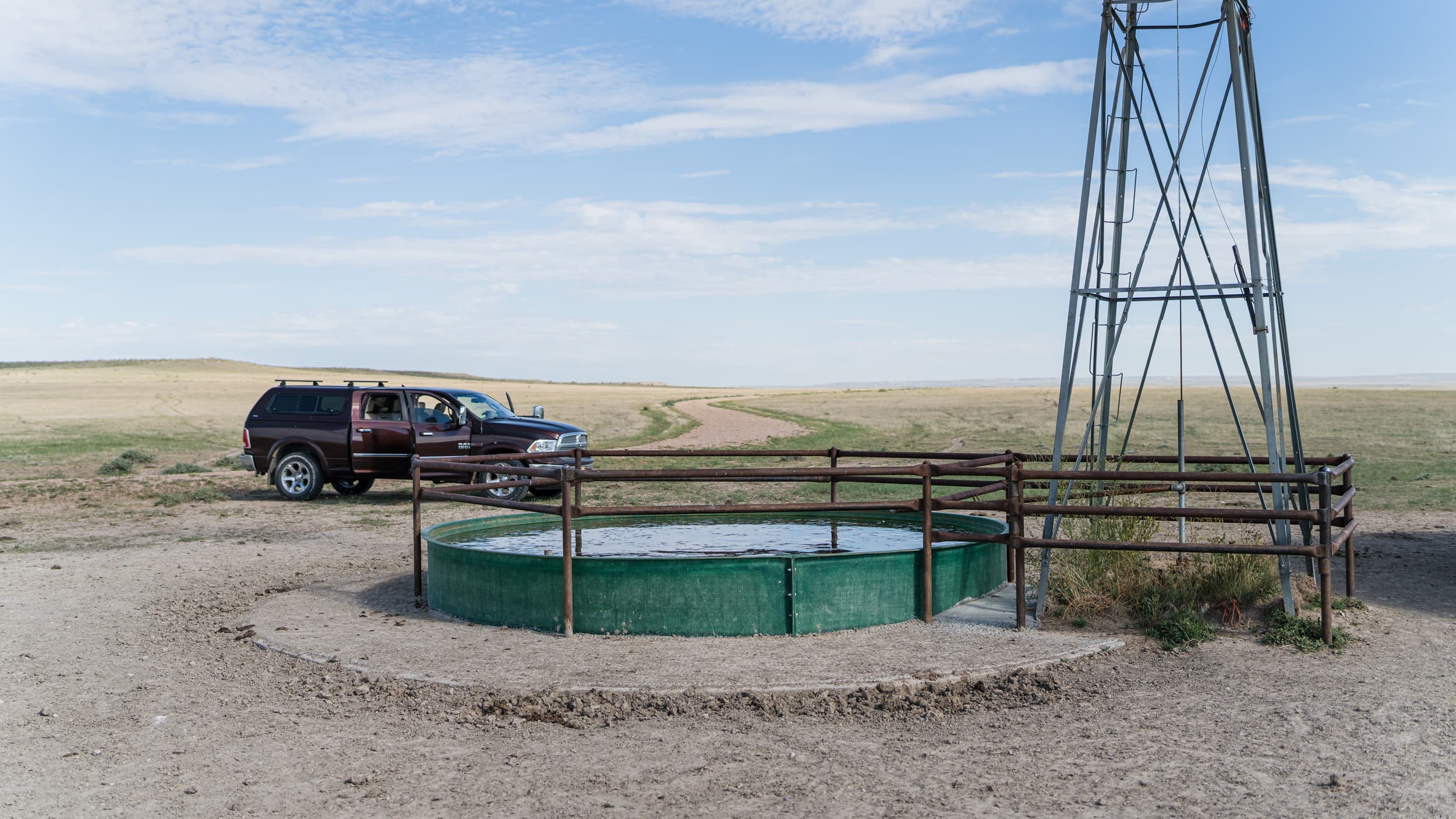
Driving around to verify antelope water sources.
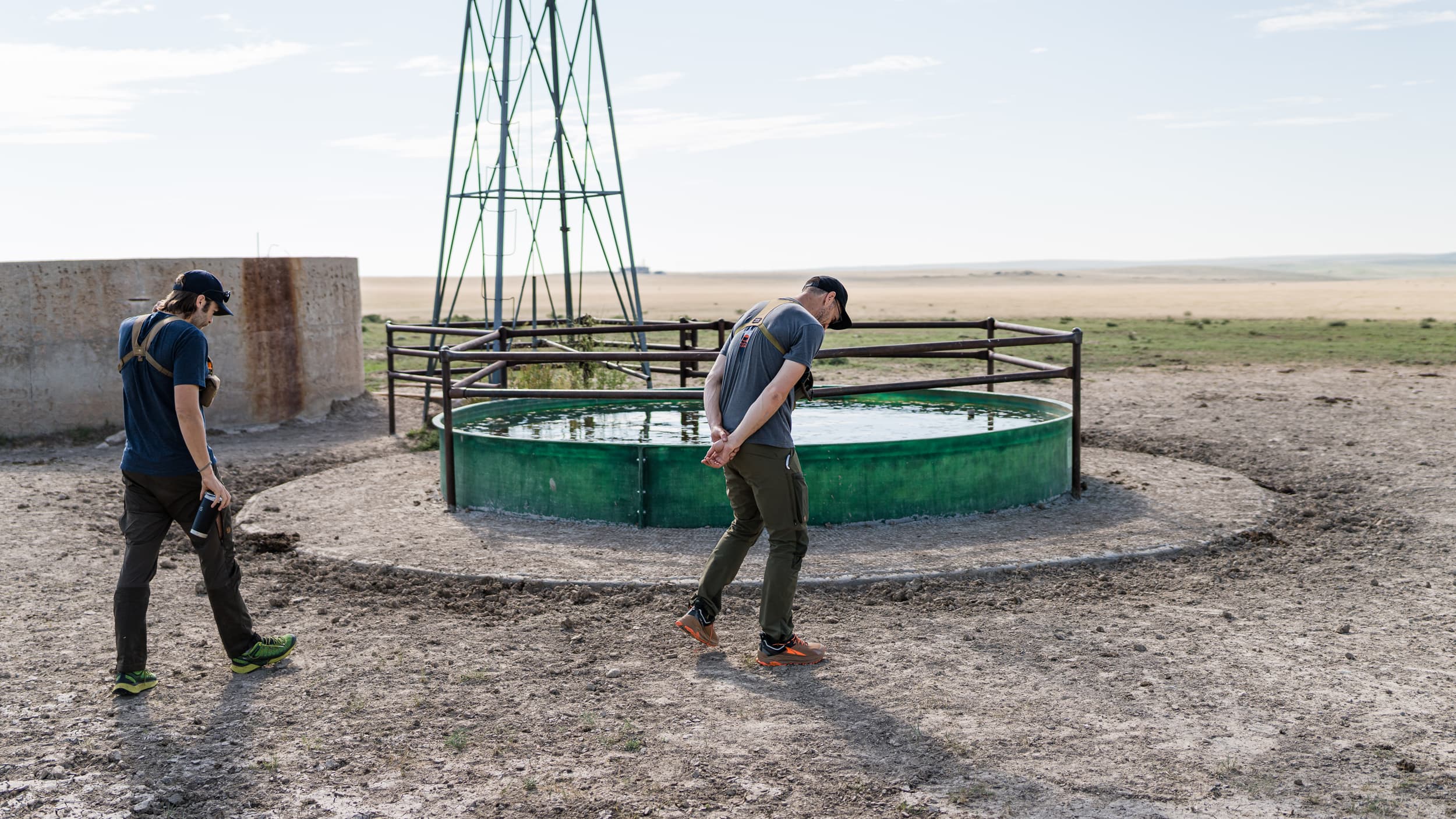
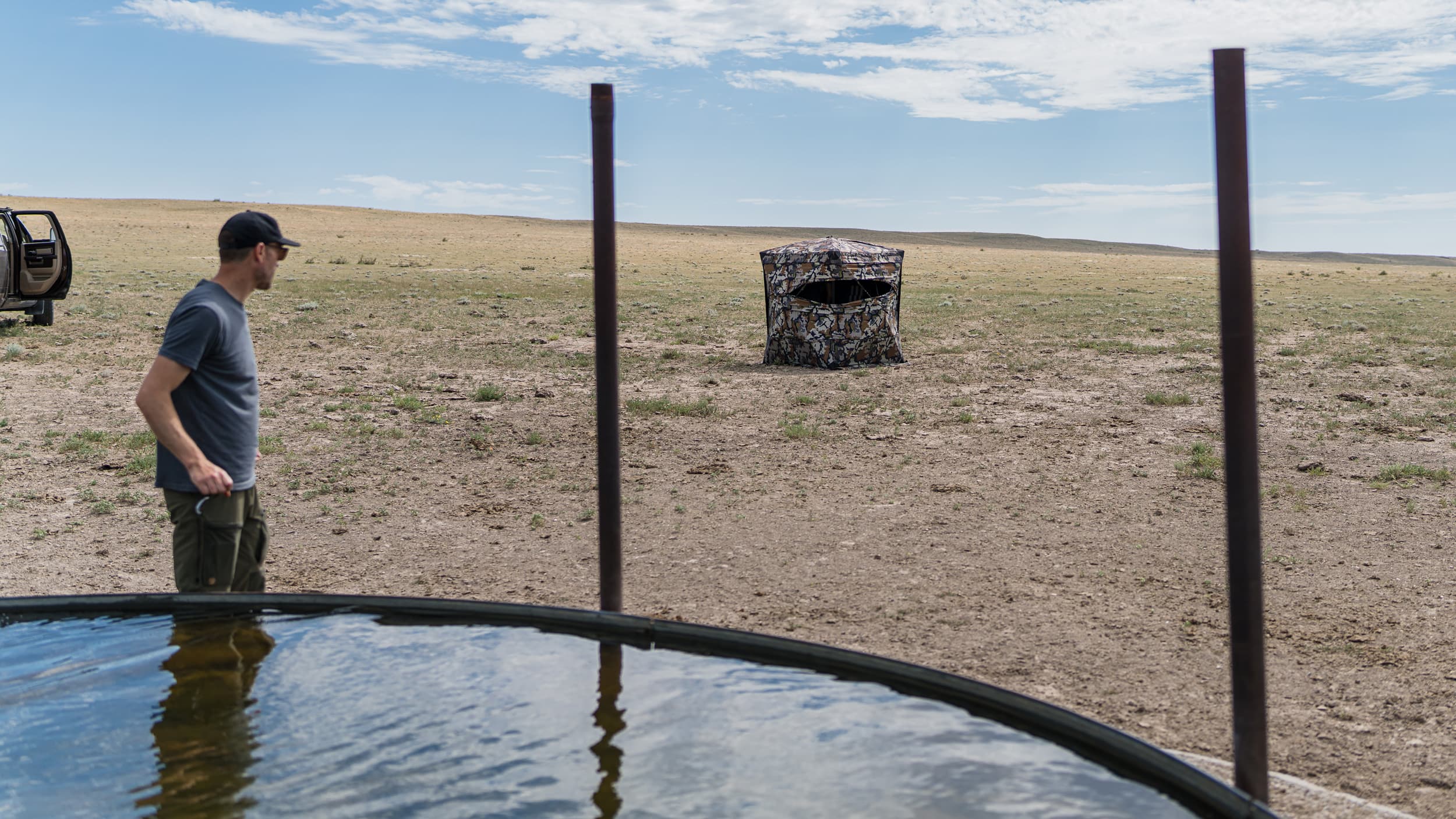
Myself and Chris Neville walking around a water tank looking for antelope tracks.
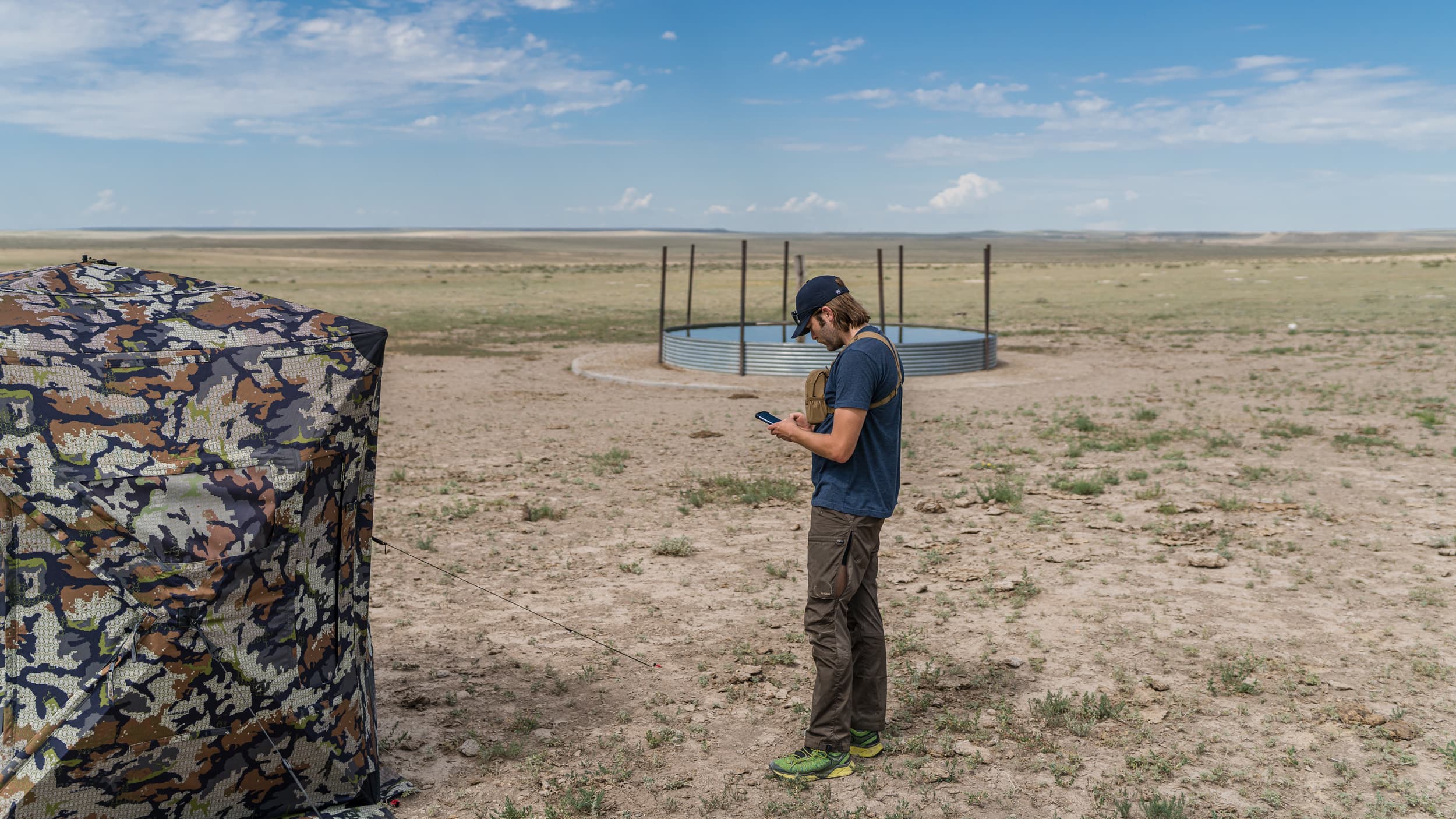
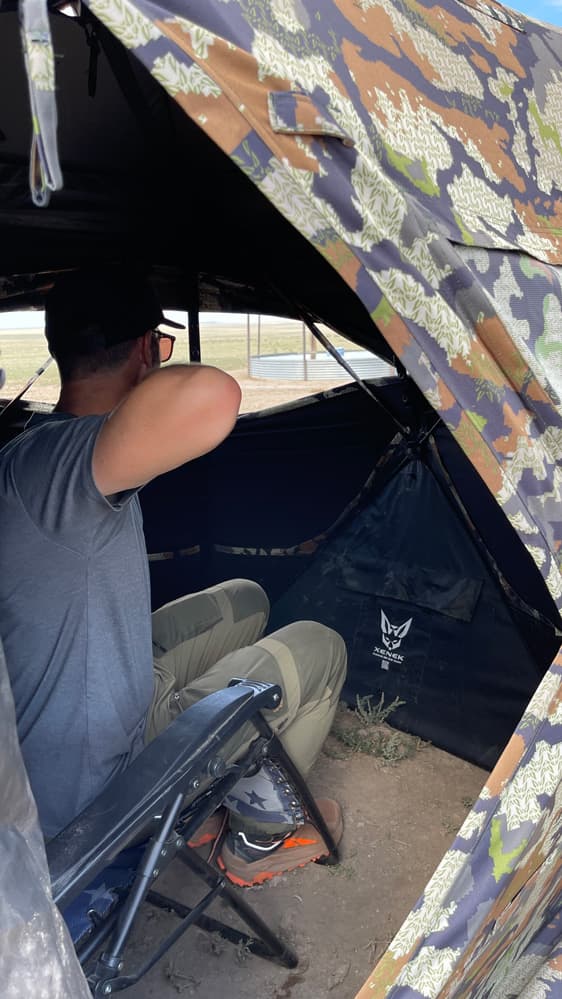
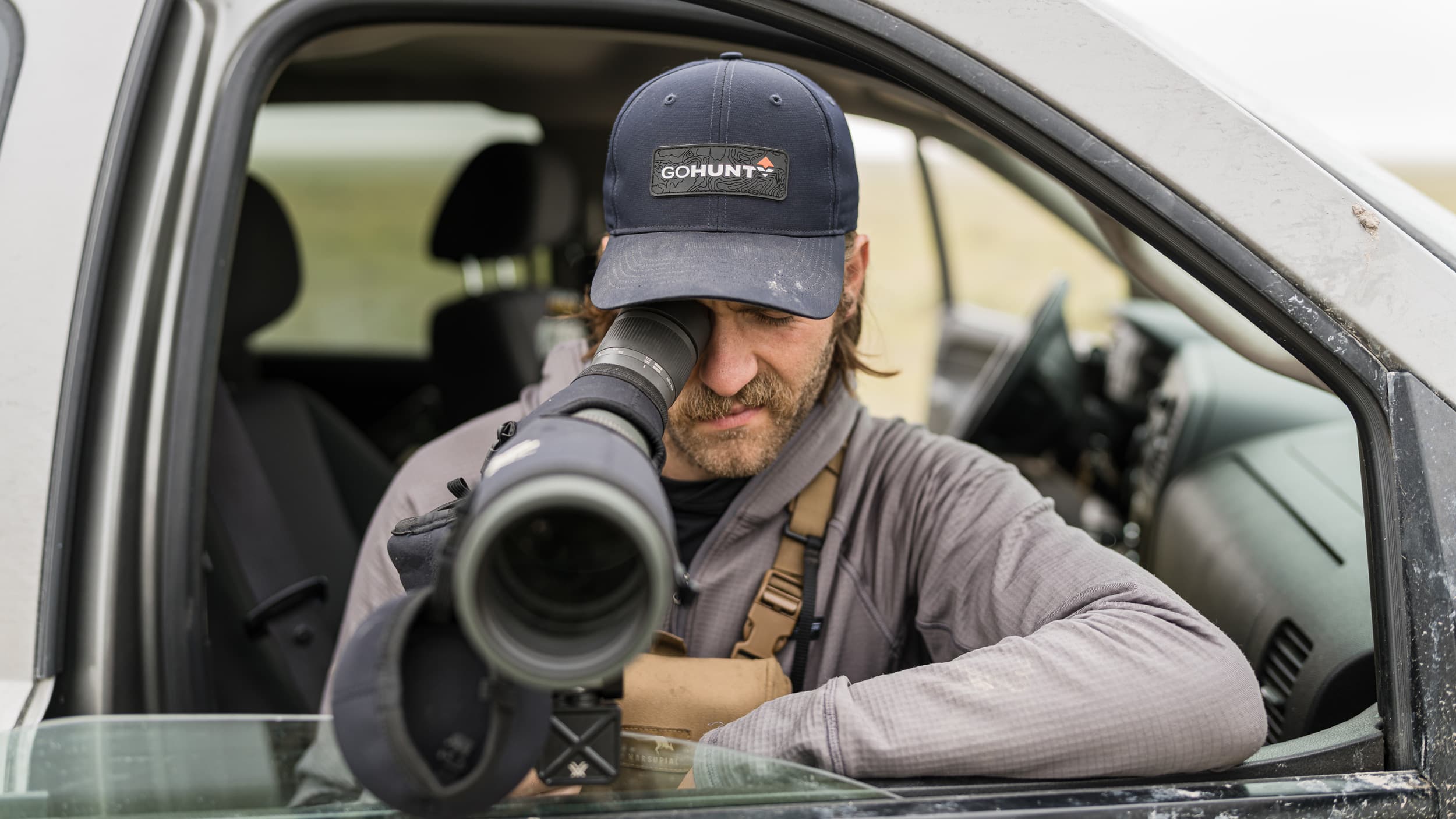
Sitting in the back corner of the ground blind and making sure there's enough room to draw.
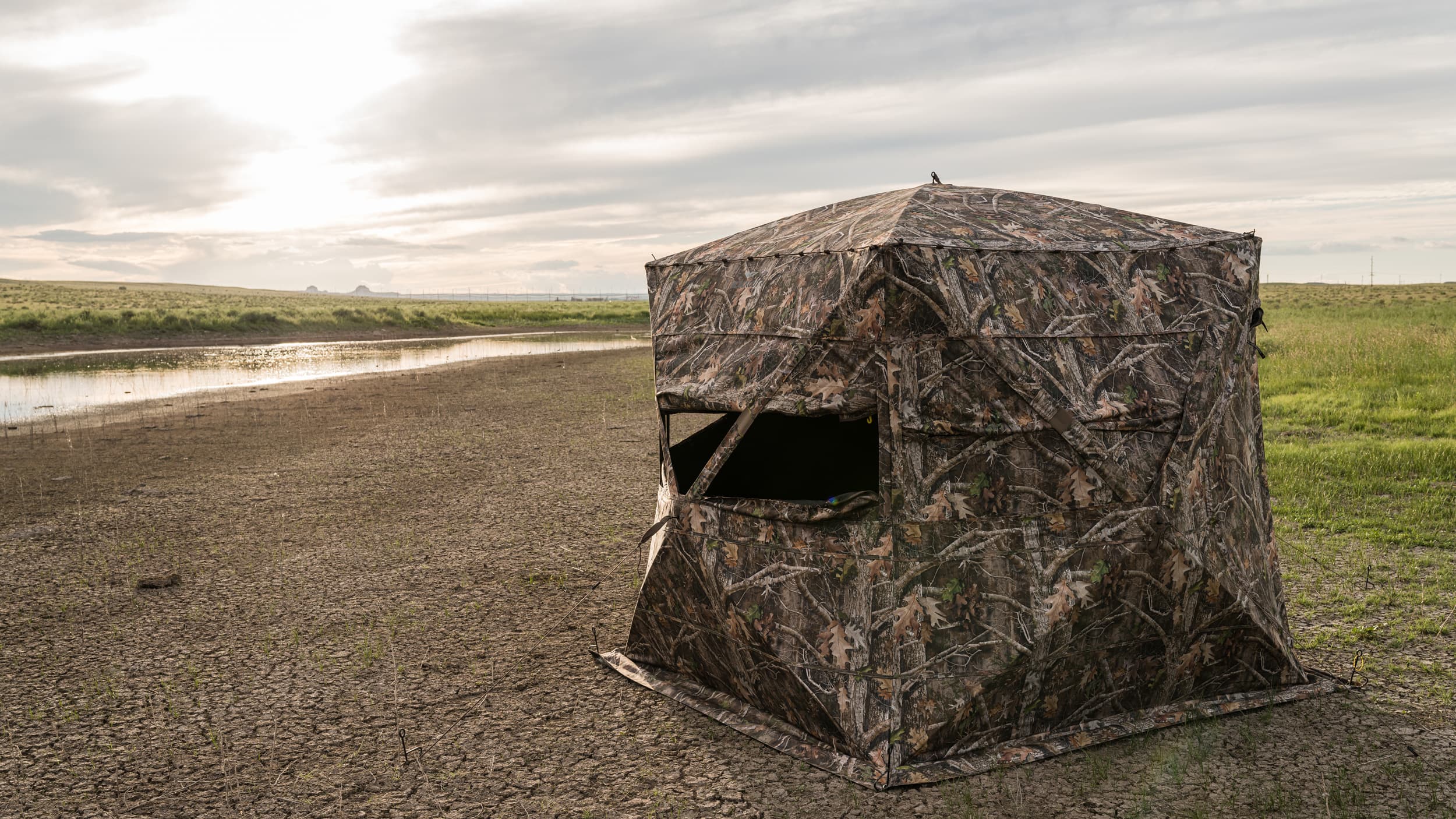
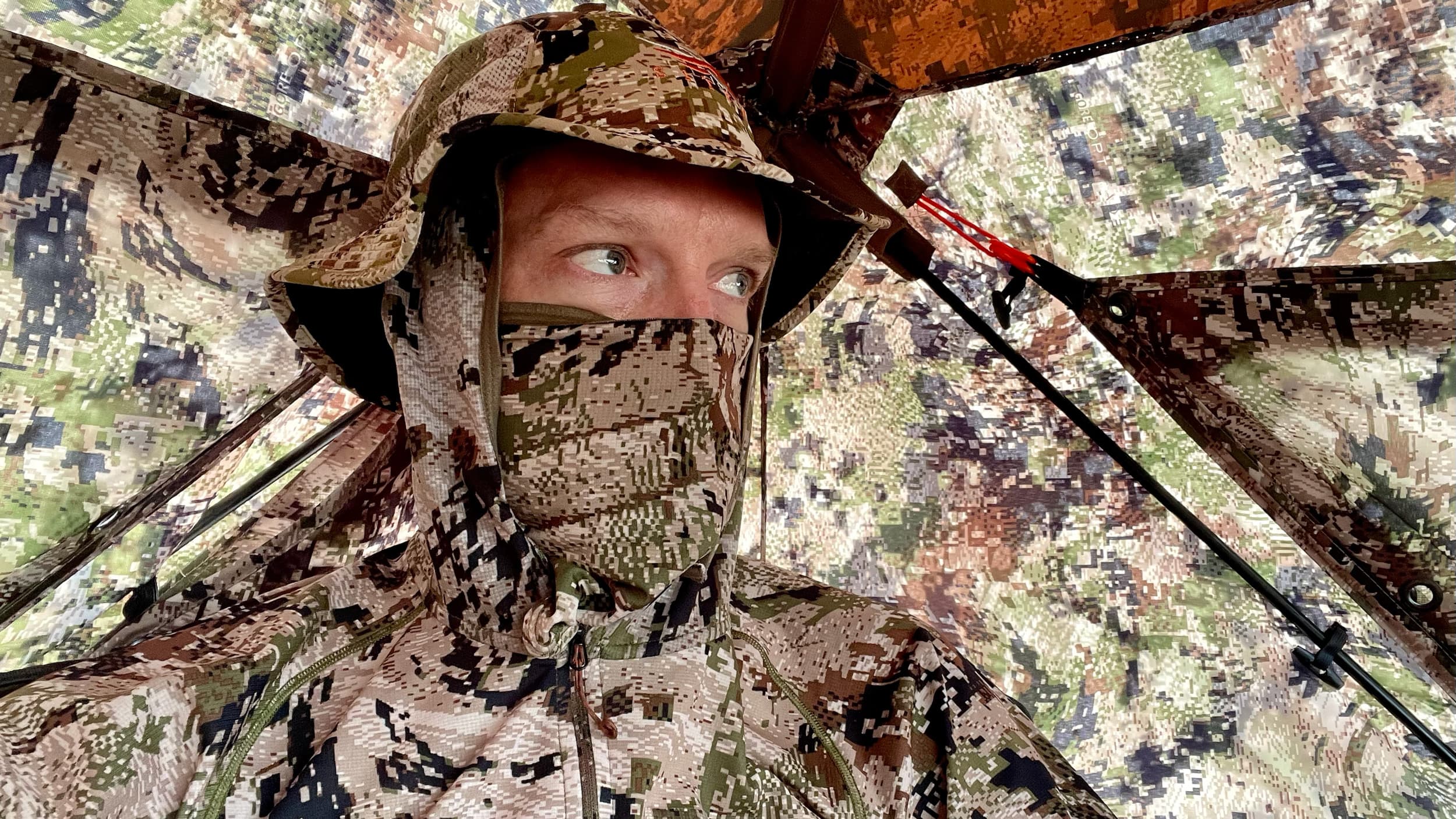
In this blind, I used camo rather than black clothes.
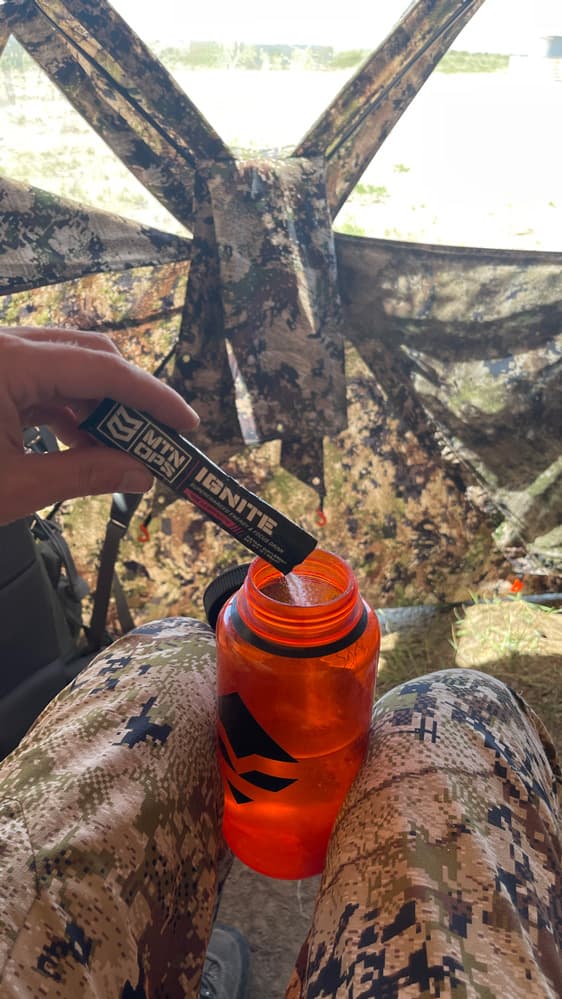
Hydration, electrolytes and energy on an archery antelope hunt.
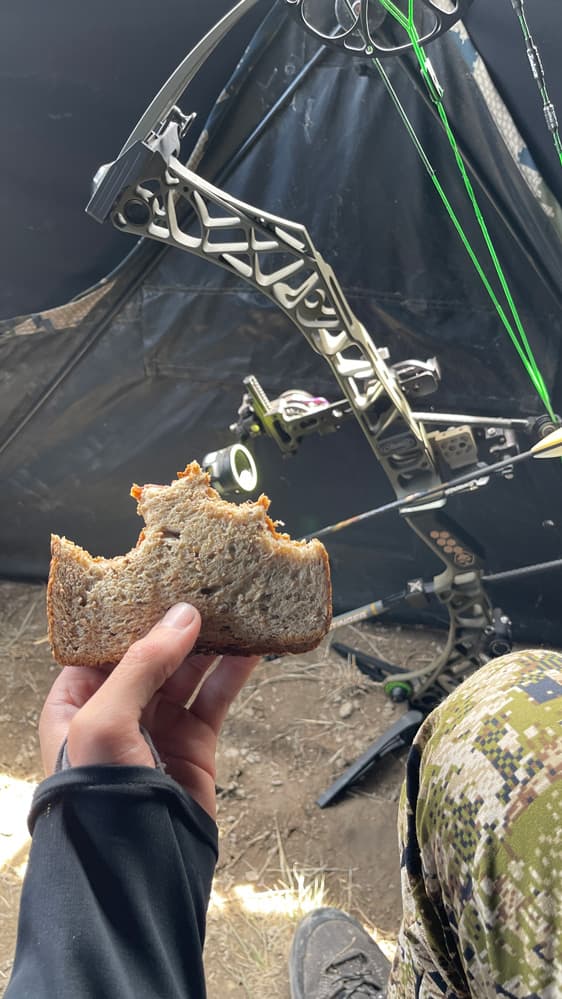
Arrow nocked and bow ready using Mathews bow limb legs.
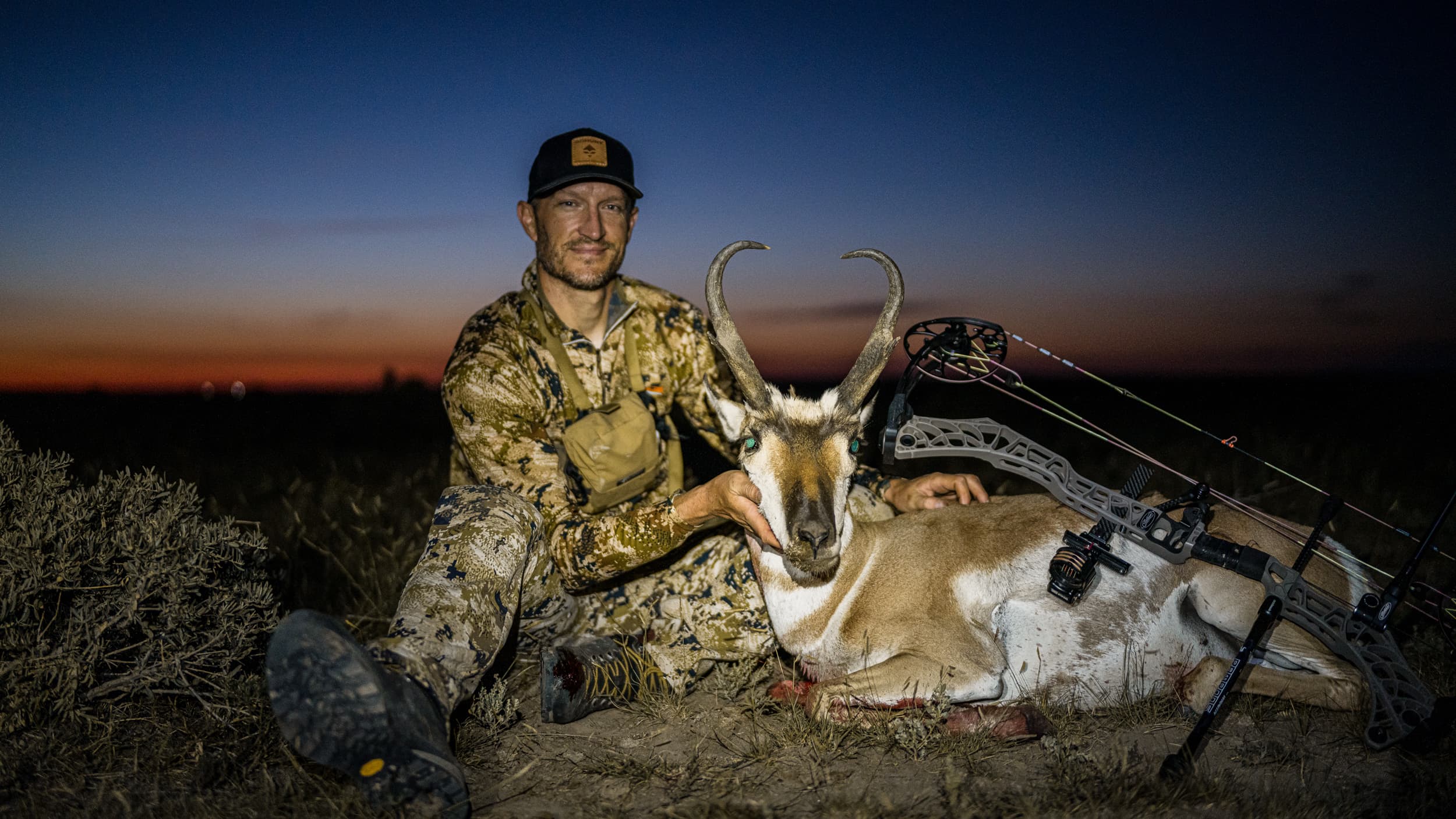
I love archery antelope hunting, and it’s become one of my favorite pastimes every August. In my opinion, pronghorn antelope are among the most striking animals that inhabit the western landscape. The color of their capes, the shiny black horns, the peculiar nature of their behavior, and the landscapes they inhabit make them truly one of my favorite animals to hunt.
If you have never hunted antelope, I’d highly encourage you to do so. Tags are more readily available and easy to draw, you can almost always find a good number of animals to pursue, and you can hunt them from dawn to dusk. Beyond that, antelope is my favorite wild game meat. If you handle it properly, remove the hide quickly, keep as much hair off the meat as possible, and you cool it relatively quickly, it makes the best table fare. Hopefully, my words have convinced you to do an archery antelope hunt.
At this point in my life, I’ve killed a fair number of antelope with my bow. When I have shared a photo via social media or even just a group of friends around the water cooler at work, one of the first questions asked is always, “Was that spot and stalk?” It’s an understandable question. Spot-and-stalk antelope hunting is extremely challenging. Antelope have incredible eyesight, and they live in hot, wide-open spaces, where cover and topography to aid you in a stalk are almost nonexistent in most cases. Given those circumstances, it’s understandable that people in general are impressed by the bowhunter who has successfully killed one via those methods. So, that begs the question: is a nice antelope buck that is shot out of a blind over a water source any less impressive?
The answer to that question is somewhat subjective. While I admire the skill set required to spot and stalk antelope successfully, I don’t view hunting over a water source from a blind as an easy endeavor. It’s simply a different set of skills in my view, and it really depends on the individual hunter's objectives and perspective. You might be able to already read into what my opinion is, but I genuinely love hunting a specific buck from a blind that is located in the perfect position on that buck's preferred water source.
While many people love the run-and-gun, belly-crawl-for-miles, spot-and-stalk style. I enjoy the scouting, the planning and preparation, the waiting and watching, and the adrenaline spike that hits when your target buck suddenly appears out of nowhere twenty yards in front of you. I like the downtime, where I get to watch wildlife, read books, journal, and test my patience. With that, I thought it might be helpful and interesting for some of you to read about how I approach hunting antelope from a blind.
Once I have secured an archery antelope tag, my first step is to really dig into GOHUNT Maps.
The layers I turn on first and foremost are:
I want to be able to review where public land and accessible roads are located.
Antelope, by their nature, inhabit wide open spaces where they can see. In most cases, antelope occupy the valley floors, wide-open sagebrush flats, grasslands, and, in many cases, agricultural fields. I’ve also hunted areas that had more rolling terrain at higher elevations, but the one requirement in almost every case is that they have to be able to see for long distances, so it’s almost always the most open country in any given unit.
Also, be sure to watch the video below where I cover some of these tips in a recent video:
After I have reviewed the land ownership, the roads and trails, my next step is to find the water. Antelope need water daily, and as you might imagine, most of the water sources in the environments where they live are in the form of stock ponds, cattle troughs, and perhaps small seeps and springs. My method for finding water in these areas is to scour aerial imagery.
First, I am looking for any vibrant green patches in those dry environments. Any water in that type of country will result in green vegetation growing around it. As I find those small ponds, seeps, and springs, I will drop a blue colored waypoint on the map.
After I have looked for those types of water sources, my next step is to once again scan the aerial imagery maps for what I call “wagon wheels.” Wagon wheels are what I call the trails that appear on aerial imagery maps leading to a water source.
Most of our public lands are also grazed by cattle, feral horses, and other wildlife, and over time they will trail to those water sources from different directions. From the air, it will resemble a wagon wheel, with the spokes of the wheel being those trails worn into the landscape. Once I find those stock ponds and tanks, I will zoom into them to see if they appear to hold water. I will also use historical imagery to go back in time and see whether they have held water historically, whether it's seasonal, and, if so, whether there's likely to be water in them during that August and September timeframe, which is when archery antelope hunts occur.
If the water sources appear dry on the map, I don’t rule them out, but I do label them with a different color. I don’t want to spend time checking water sources on my hunt that are unlikely to be dry. For any water tanks or stock ponds that have water, I label them with a waypoint on my map. Other things I look for when examining water sources on an aerial map include windmills or solar panels.
Windmills are used to pump water out of the ground, as are solar panel power sources. Those can be a good indication that water is being drawn from the ground source and pumped into a tank for cattle and wildlife.
After I have pinned every water source I can find within the areas that appear to me on the map to be good spots for antelope, I am ready to head out and scout or even hunt if I live too far from the unit to do any scouting.
As I already noted, my goal for archery antelope hunting is to find the best buck I can and to hunt and kill that buck. When I am ready to scout the unit prior to my hunt, I utilize my GOHUNT Maps and my goal is to check out my best water sources first.
As I am driving to those water sources, I will stop to glass for long periods of time around them and the surrounding areas. In my experience, antelope will be within a few miles of a water source. They can and will roam, but they are almost always within a mile or two of reliable water. As I am combing those dusty dirt roads, I always keep my head on a swivel. I'm always looking for antelope. If the area offers some topography, I will utilize it to climb to a higher vantage point where I can see as much terrain as possible.
In regard to optics, my preference is a set of SIG SAUER ZULU 6 image-stabilized binoculars in a 12 or 16 power. I will also carry a set of Swarovski SLC 15x56 binoculars, a sturdy tripod and fluid head, and a spotting scope. Antelope country is built for big optics, and since I’m unlikely to be doing a ton of hiking, I can utilize the biggest glass that I have.
Antelope scouting for me has been a process of driving and glassing on repeat for as many days as I can put into it. What am I looking for? I’m looking for a big antelope, and antelope can be hard to judge. I won’t go deep into field judging antelope, but I’m looking for the best buck I can find, and when you see a truly big buck antelope, I think you’ll know.
That’s one thing I like about antelope hunting: in most cases, you will have the opportunity to look over a number of bucks. Most will be younger in age class; that’s why, when you see a trophy-caliber buck, I indicate that you will know. Just loosely, an 80” antelope, which is what I would call the bench mark for a truly big buck, will have 15” to 16” plus in length of each horn from the base to the tip. They will have 4” to 6” plus prongs or cutters as measured from the back center of the horn to the tip of the cutter. Mass accounts for about half of the total score, and thick bases, about 6” to 7” inches, that carry all the way up to the tips are key. Not every state and unit produces trophy-caliber bucks, but many do, and in my experience, the key to killing the best buck of your life is patience and persistence. You have to cover a lot of ground, look at, and pass up a number of bucks if your goal is to kill a great buck. Overall, my goal is to key in on the best buck I can find and to hunt him.
Before I move on to how I positioned and set up my blind, I will, as I scout, almost always drive out to the water sources, park, and do a walk-around of the water. I want to look for antelope tracks and sign. I want to get an idea of where they are coming from, and where they are leaving from the water. I also want to see how much cattle sign there is.
Additionally, I am looking at each water source to determine the best location for setting up the blind. If there is natural vegetation or a wash/gully that can partially hide my blind, I will note that. If there is a windmill or a solar panel that I can utilize to break up the outline of my blind, I will note that. I also look for fences and gates. Antelope typically do not jump fences; they will slip under them if they can or find an opening in the fence or a gate and walk to it before moving to water. Those can also be great spots to set up a blind. I’m also making note of the prevalent wind direction. Antelope utilize their eyesight to avoid predation primarily, but they will also wind you if you set up in the wrong direction.
Lastly, once I have found the buck I want to hunt, I will drop a waypoint at his location and then spend time on my mobile maps scanning the area for my previously marked water sources. I’m evaluating the distance from the buck, and I’m looking at the topography. It’s even better if you can watch him from a distance and actually watch him water.
The most common question I get about hunting out of a blind is, how long should I set my blind up before I hunt it? There is a notion that antelope take time to get used to watering while your blind is there before you can hunt it successfully. While I think it’s advantageous to set your blind up a week or a few days before you plan to hunt it, I've personally had really good success on multiple antelope by setting the blind up the previous night and killing the buck the next day. When I find a buck I want to hunt and think I know where he is watering, I will set up my blind in the dark and begin hunting that blind the next morning.
Selecting the best spot for your blind is the next step. The first factor is distance. Antelope are decent-sized animals, but certainly not as large as a mule deer. They have incredible reflexes and can duck an arrow. I don’t want to be within 20 yards, but I also do not want to be 40-plus yards. Placing a perfect arrow on a watering antelope can be challenging; you’ll likely be shooting from a sitting or kneeling position, and you’ll likely be shooting shorter stabilizers due to the limited space. You will also be shooting through a small window from inside a mostly dark space into a sunny environment. You will also probably be filled with adrenaline because with that method of hunting, the buck almost always appears within shooting range instantly. Point being, I like to place my blind approximately 25-35 yards away, which is a shot I feel very confident in making with those conditions.
The next factor is the orientation of the blind. I prefer to set the blind up on a diagonal to the water source. Pop-up blinds are mostly square, to my knowledge. The diagonal distance is longer than the individual side, so setting it up in that orientation allows me the most room to draw and shoot my bow. The other reason I like to set the blind that way is that I want to be seated in the deepest, darkest corner of the blind to avoid sunlight on me as much as possible. Any movement you make is more easily detected in the light, so staying in the shade is critical. Along with that train of thought, I like to set my blind up so that, as the sun comes up in the east, it hits the side/back of my blind. I don’t want the sun rising with direct light shining into my blind, nor do I want the sun to set with it shining into my open blind windows. The take-home message is to stay hidden, tucked away, in the shade as much as you can.
That leads to how many windows of the blind should I have open? Most blinds have multiple openings that you can utilize to see and shoot out of, but should you use them all? In my opinion, the answer is no. Is it fun to be able to watch a buck come in from a long way from behind or the side of your blind? Of course it is, but the chances of spooking that buck while you are moving go way up if you do. I keep my blind almost entirely closed off, except for the one or two windows directly in line with the water source I plan to shoot out of. I also keep the gap in the window as tight as I can. My only consideration is whether I can see the water source, perhaps fifty or 60 yards beyond it, and whether my arrow will clear the blind from my shooting position(s). It’s very common for a bowhunter to draw and shoot at an antelope only to find that they did not have enough clearance and they have shot a hole through the blind and the arrow deflects. Make sure you have enough clearance, but limit the opening as much as you can.
Lastly, do I brush my blinds in? I do it if there is natural vegetation available. If there isn’t, I don’t sweat it, and I have killed several antelope without brushing it in. As I previously stated, if there is a natural wash or low spot, vegetation, a windmill or solar panel, a wood slat fence, or any old equipment there that I can use to set up in front of, I will use that to help break up the unusual shape of a pop-up blind on the landscape.
A comfortable chair is worth the investment. The common pop-up camp chair that sags in the middle is a cheap option, but it’s uncomfortable, and it's very awkward to shoot from. Get a good chair with a sturdy, flat bottom that provides the best stability for shooting. If it has a fold-out platform/drink holder, it’s even better, because you can set your rangefinder, book, and release on it.
When I set up my blind, I like to clear out all the vegetation and anything else that could cause noise. I also like to set my chair in it and level it out so I am sitting level. Make sure that you stake the blind out very well. The wind can blow hard on the open prairie, so be sure to stake out all four corners at a minimum with heavy-duty stakes, and use guy-out lines from the center hubs if your blind has them.
In most cases, it gets sweltering hot inside an antelope blind. My preference for apparel is a black ball cap, a lightweight black or camouflage long-sleeve breathable shirt, and a pair of lightweight breathable pants or running shorts. I have also at times found that the early mornings and evenings can be cool, so I also put a midweight jacket in my pack like the GOHUNT Atmosphere Hooded Jacket. Boots are fine; trail running shoes are great, but anything comfortable that lets you do some light hiking will work. I often take my boots off during the day anyway.
Make sure that you have plenty of water and drinks, as well as snacks and food. I try to be aware of the sound the packaging makes when I take food and either remove it or just pack the food in quieter options like a Tupperware. You’ll want a way to help you pass the time. I like to read, so I save a couple of the books I’ve been eyeing for an antelope hunt. I also pack a notebook and a pen so I can jot down thoughts, ideas, or just journal. I do a lot of soul searching and thinking while I am in the antelope blind.
When hunting out of a blind, you have to be ready in an instant when the buck appears. For that purpose, I always have an arrow nocked and have the bow in a ready position. The Mathews limb legs are great for that if you shoot a Mathews bow. Most newer bows on the market now have some sort of limb leg/stand option, and those are great for hunting out of a blind. Set your weapon up, have your release ready, range and memorize various landmarks before the buck ever appears.
Big tip: If you have time, while setting up your blind, I have placed distinguishable rocks at 20, 25, 30, 35, and 40 yards so I can reference them without using my rangefinder in the moment.
Finally, a few tips on timing and behavior. I have killed bucks in the morning hours, the minutes just after sunset, and I have killed them during the middle of the day. I hunted a buck last year that I watched water from a distance just before dark, and then I killed him the next day at 1:30 in the afternoon. Generally speaking, I think bucks do water about the same time every day, but they can water at any time. When I look back through the bucks I have killed, the most common time frame when they came in was from 11 a.m. to 3 p.m.; in the heart of the hottest part of the day. All that to say, I hunt from dark to dark. I park my vehicle a mile or two away in a location that can’t be seen from the blind, and I walk into my blind in the dark. I get there before it’s light enough to see, and I sit until it’s too dark to shoot. It’s likely overkill, but as I have said, I enjoy the sit and the process.
My final tip is that when antelope come into water, they are often cautious. They will appear and regularly stand and look for any danger before approaching. When they approach, it’s paramount that you remain as still and quiet as possible. It’s tempting to grab your bow immediately the second you see them, but my advice would be to wait and be very calculated with your movement. In my opinion, your best bet is to let them come all the way to the water. If you try to draw before that, they are far more likely to spook. On many occasions, I have observed antelope at the water begin to lower their heads to drink, then immediately jerk their heads up to look in your direction before drinking. It’s almost like a pump fake to see if you will move, and on several occasions it’s worked, and they have caught me trying to draw my bow and spooked. My advice is to patiently wait until you can see the buck actually drinking. When they commit to drinking, they will do so for a decent amount of time and have always allowed me at that point to get to full draw. Don’t fall for the pump fake; be patient and wait.
Be sure to check out a great archery antelope hunt film I did a few years ago:
In conclusion, stay in the shadows, move slowly and silently, pick a spot, take some deep breaths to calm the nerves, and execute a perfect shot. If you do, you’ll be rewarded with one of the West's most iconic animals and the best wild game meat there is!
Unit Boundary
Roads and Trails
Public/private layers