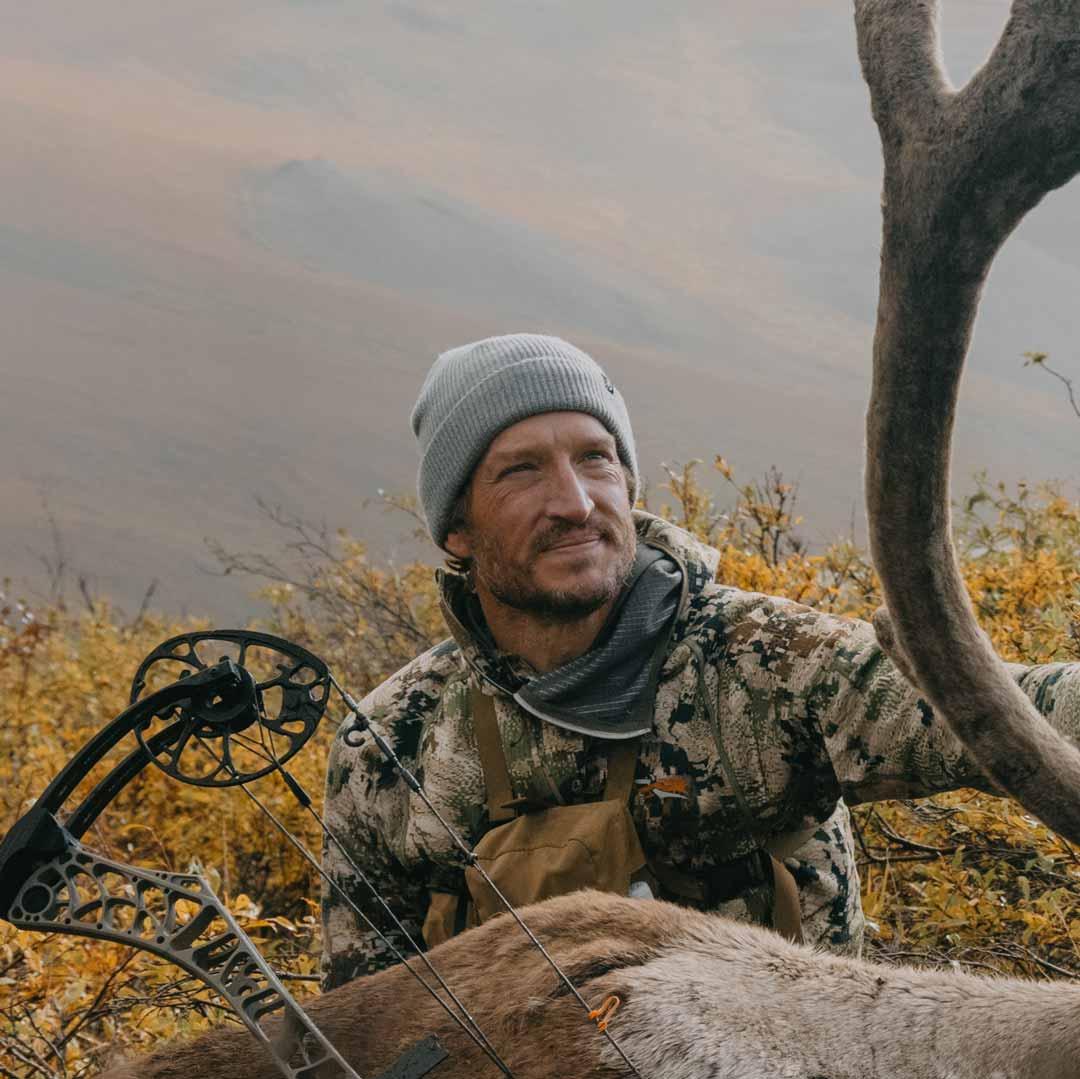

Trail Kreitzer reviews his biggest mistakes he's made on stalks when bowhunting, to help avoid making them again

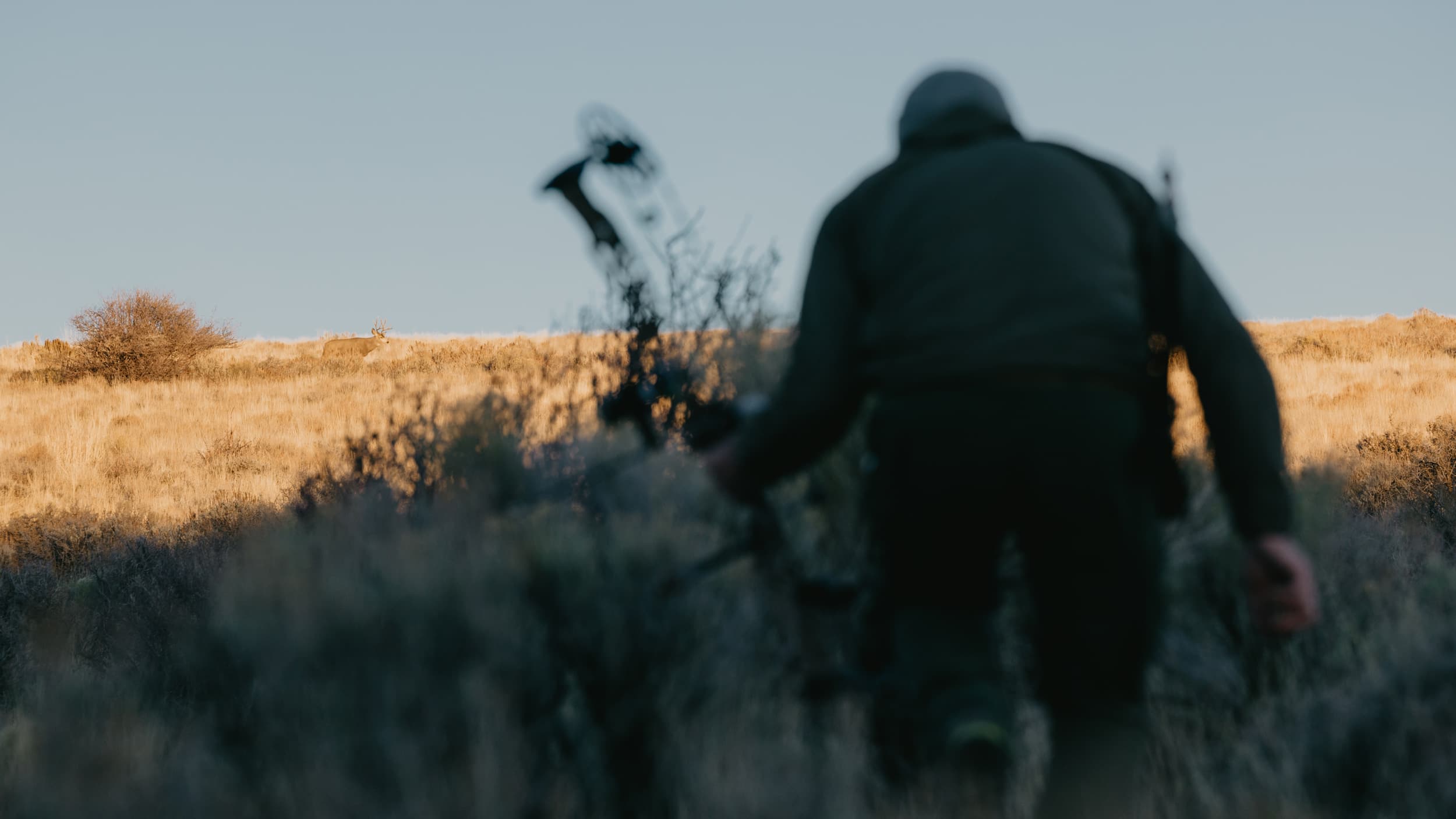
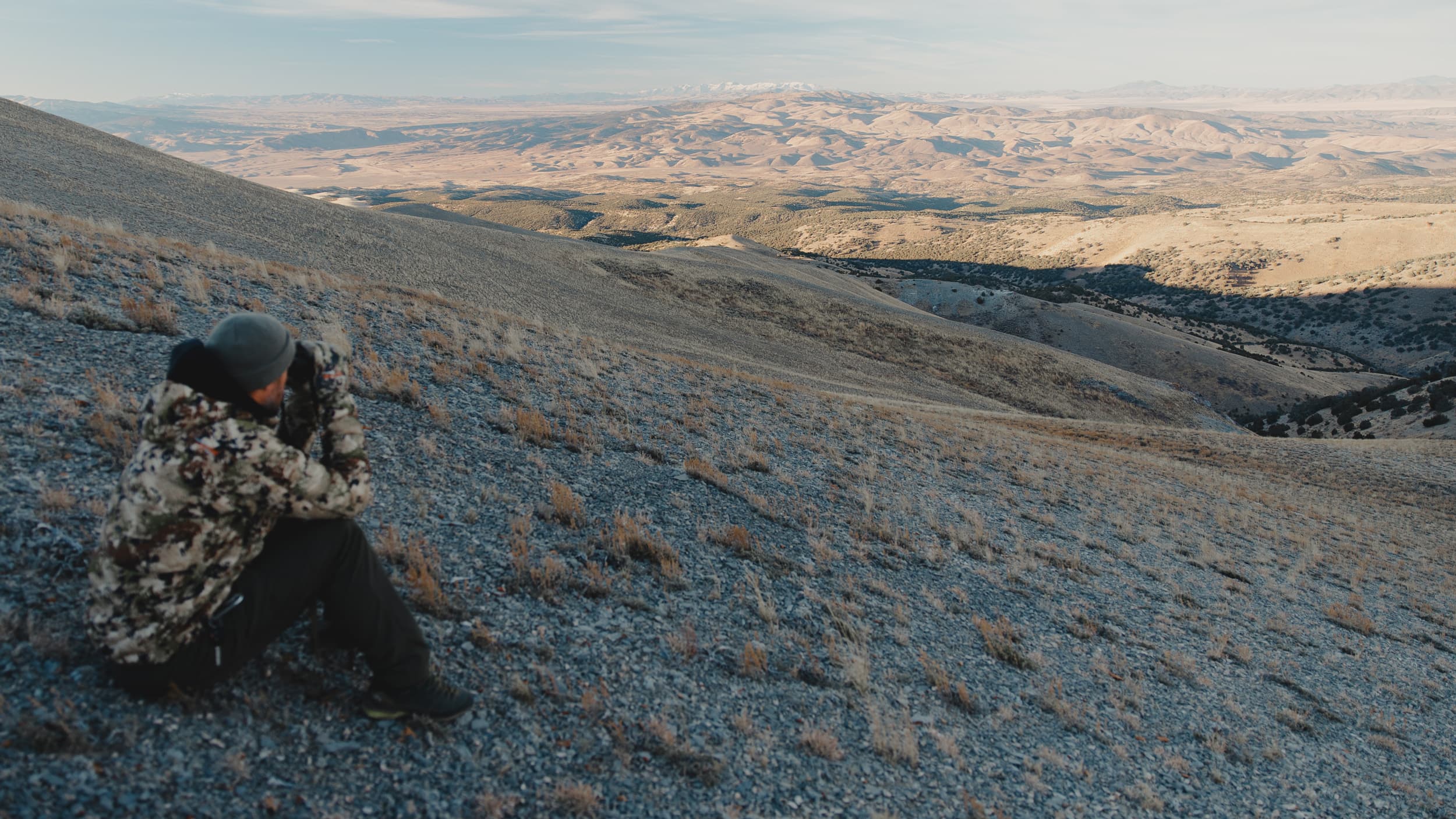
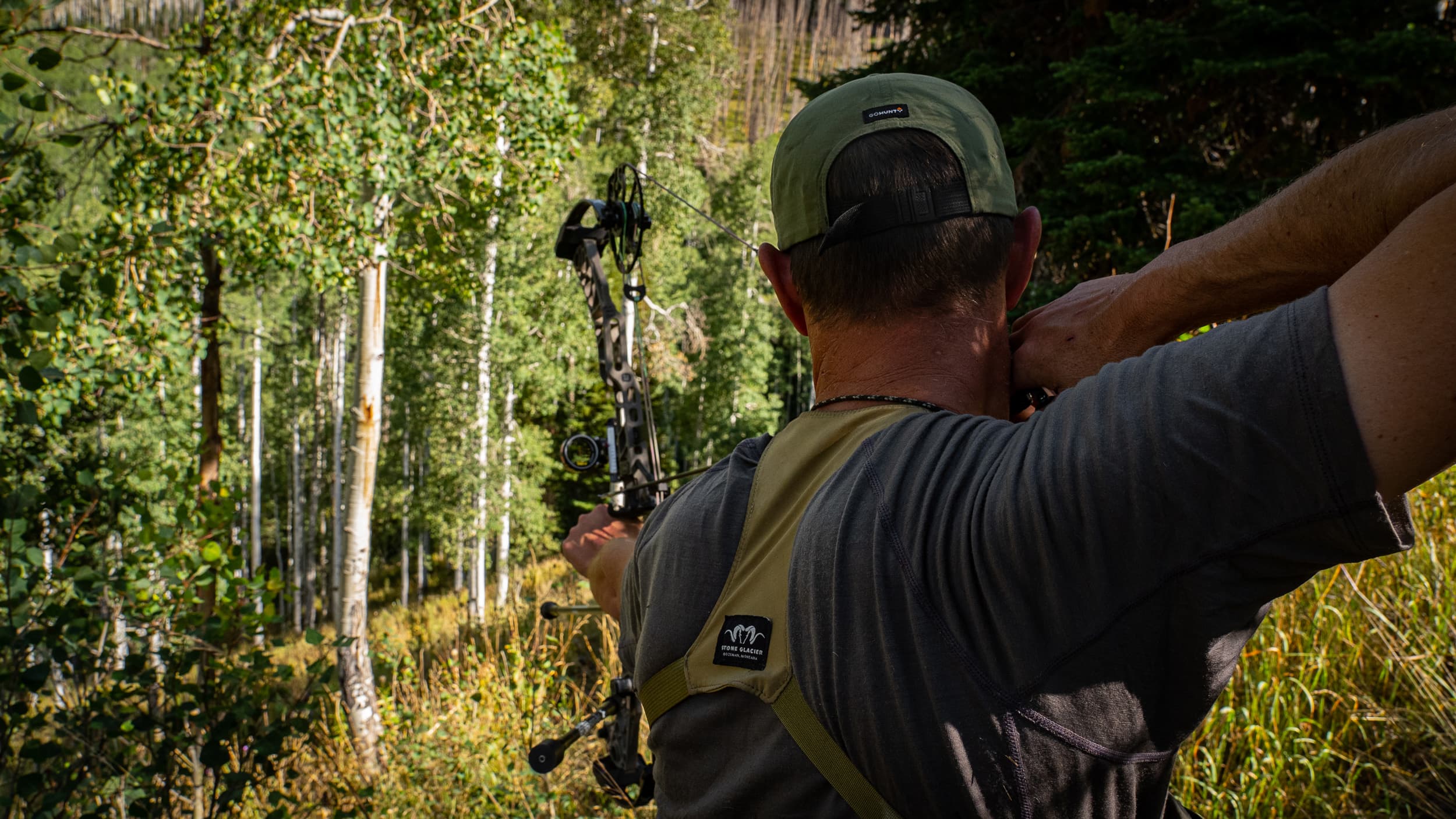
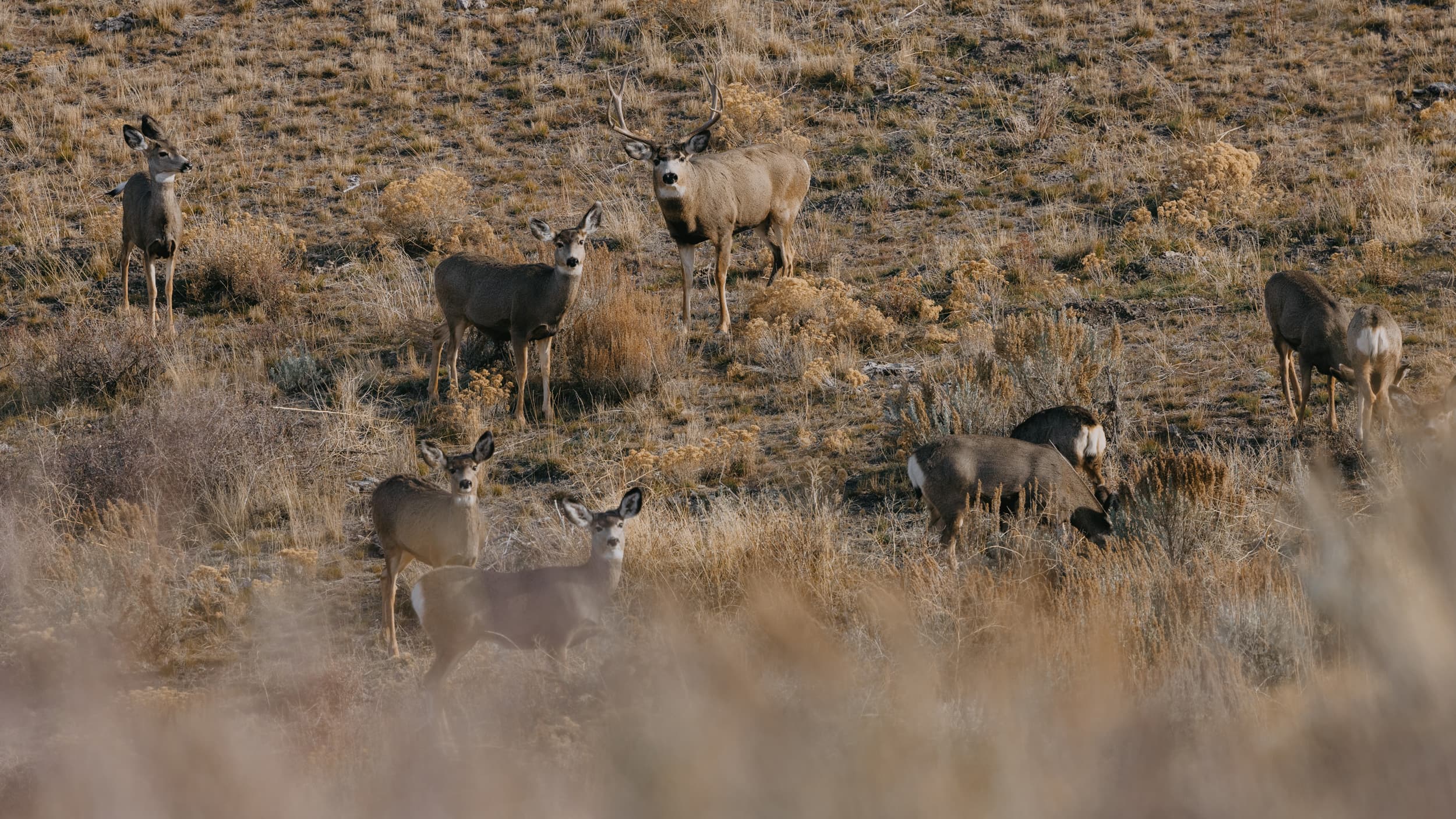
I’ve probably made every mistake a person can make in my attempts to spot and stalk western big game with my bow. I’ve ignored the wind, thinking I’d get lucky. I’ve miscalculated the range, or even worse, I’ve made poor guesses and decisions in estimating range. I’ve flat out wiffed on shots. I’ve forced bad stalks, I’ve gotten too close, and I’ve zigged when I should have zagged. I think I’ve made most of those mistakes, which has me thinking about them, and I think reviewing those mistakes before the season starts is worthwhile to hopefully help me avoid making them again.
To that point, I thought I’d take some time to write about five experiences and the mistakes I made, and hopefully that readers can learn from them.
A few years ago I drew a late-season archery mule deer tag and one late afternoon I found a nice buck that I would have been thrilled to take. I watched him and another buck bed in a shallow depression just above some rimrock. I recall taking five or ten minutes to review the area through my spotting scope and mark a pin on my mobile map where I thought the buck was bedded.
What I didn’t do was study the topography before I left. I didn’t take time to take pictures, both zoomed in and from a distance, and I didn’t mark his location and the landmarks that I could refer to when I got there. I also hadn’t made note of the direction he was facing, nor did I study in detail where the other buck was in relation to him. Long story short, I was lazy and sloppy in my approach. I stalked into about 35 yards, assumed he was no longer there, and ultimately got busted while I was looking in the entirely wrong spot.
Before making a stalk, if you can, I think it’s important to be aware of exactly where the buck is bedded. That includes the direction they are facing and the buck's orientation from your anticipated approach. Landmarks should be noted, whether that’s a tree or a rock, anything that can be referred to so that you can find the animal as you approach. It’s good to take pictures before you leave on the stalk and use the edit features to make a mark where the animal is and where they are in relation to your landmarks. Always mark the animal with a waypoint on your maps before you leave. With aerial imagery, you can oftentimes find the exact tree, rock, or ledge that they are bedded under. Any other animals that are with the intended target should also be marked, and notes about those should be included. In most cases, it’s not the intended buck or bull that is going to ruin your stalk; it’s the other animals with it that you may not have taken account of that bust you.
When done well, I will have my entire stalk planned out before I leave. The route once you get there can certainly change due to wind direction, topography, or vegetation, but I think it’s a great idea to have a stalk planned before you go. One final idea: I think it’s good to anticipate what direction the buck or bull will move if they naturally get up to feed or perhaps if they just spooked. Many times an animal will detect something and will get up, move, and look back to see if they can determine what the danger is. If you can anticipate the direction they will naturally feed or flee and work that into your stalk, it may put that animal in a location where you can still get a shot.
A number of years ago I had found a buck that I thought was probably a 200” typically. He was tough to find consistently; in fact, I only saw him a few times. When I would see him, I was almost frozen. I was mesmerized by what an incredible buck he was to the point that I was almost intimidated to make a move. I was worried he would wind me, see me, or hear me and that he would completely disappear. Based on where he was, I knew he was going to feed toward an expansive patch of pinyon and juniper, and I wouldn’t be able to see where he bedded. I knew that; I’d seen it happen before, but somehow I would sit there and watch and hope that this time would be different. It never was, and I never really got an opportunity because I was too afraid of messing up to even try. Since then, I have tried to be more aggressive. There’s a line between being too aggressive and not aggressive enough, and it’s not a perfect science. Each situation is different, but one thing is for sure: if you don’t try, there’s only one outcome.
It’s easy to become so focused on being careful and moving at a painfully slow pace that you might spend an hour covering ground that could have been covered safely far quicker. Animals are constantly changing their position. A buck may get up and change beds or feed off. A bull may get up and be moving toward cows. Point being, there's a window of time that you have to get within bow range before that animal leaves, and if you go too slow you’ll miss your opportunity. In a traditional mule deer stalk, ideally I will find the buck feeding in the morning. I’ll watch him until he beds, which is often around 8-9 a.m. When he beds, I have a decision to make: go now or wait to see if he rebeds. In my experience, I’m more confident in waiting due to the fact that more often a buck will get up to feed for a bit longer before bedding once again around 10 a.m. When he beds the second time is when I believe I have the best opportunity because he is likely to remain bedded for a few hours until the sun has moved to a point where he is no longer shaded. That timeframe, just after he has rebedded, is when I try to cover the bulk of the distance in his direction. I want to be within 150 yards or so within an hour if I can, because it might take me an hour or more to close that final 100 yards. The time to cover the most distance is just after he has bedded, and the time to slow down and be very deliberate is when you are within a couple hundred yards. Rather than trying to sneak slowly when you have less cover, consider popping over a ridge where you are hidden and running at him if you have to. Time is of the essence and personally, I would rather be aggressive on getting within 150 yards and then slow down. Every minute that passes increases the risk that the buck will not be there when I arrive. Don't move faster than the situation allows—but don't move slower than the opportunity allows. Make decisions and execute on them. Waiting and patience pay when you need it, but so does making decisions and acting on them.
This is the portion of any bowhunt that many people find the most challenging. The stalk is stressful, but when you find yourself under 60 yards on a bedded buck or bull that you really want, adrenaline gets the best of a lot of us. I’ve told this story before, but on a late-season archery elk hunt I snuck within 65 yards of a bedded 6x7 mid-day and waited almost three hours for him to stand up. When he did, he did exactly as expected and fed up the ridge angling towards me. I had hours to range every tree and bush on the route I anticipated he would take, but in the moment I decided to take one last range on the bull himself. I ranged, waited for him to step behind a small bush, and drew just before he stepped out broadside. I remember to this day the feeling of one of the best shots I’ve ever released on an animal…and I watched the arrow give him an ever-so-slight haircut at the top of his back and shatter on the rocks behind him. I couldn’t believe I had missed, and I started to run through the scenario in my mind as I watched him go over the ridge. I looked at my sight, which I had dialed to the distance that I had ranged. I ranged once again, and it hit hard when I realized that I had dialed to the line-of-sight distance and not for the angle-compensated range. The difference was about 8 yards, if I recall.
So the factors that come to mind when being prepared to make the shot for me are knowing the compensated range, having pin(s) that I have sighted in, picking a spot, having a shot process, and confidence, aka positive affirmations. Incorrect range is likely the reason most people miss. In most situations, we have more time than we think, and I believe it pays to accurately get a range multiple times. Most modern range finders have angle compensation; get one and practice with it. Spend real time sighting in your pins or working to get an accurate sight tape before your hunt. Prior to hitting the trail, check your sight marks at the elevation you are hunting. At least one time, I’ve had to delay hiking into an area to hunt, to resight my pins at the elevation I was hunting.
Everyone talks about picking a spot on the animal to aim at. While I think it’s critical to do so, I can't say I have always had the mental fortitude to do it. It is something I strive for, and I think we’d all be better off if we just took the mental note to look for a reference to aim at. If there is a tuft or hair, a shadow or bit of light that is shining on the vitals, or anything that you can aim at, do it! You may need to write it on your hand or the back of the riser with a Sharpie to remind you. Whatever you have to do that will offer you that bit of mental clarity and remind you to pick a spot is worthwhile.
I think a shot process is helpful, but in all honesty I can’t tell you that I recall having ever gone through it when I have taken a shot at an animal. What I have done is shoot thousands of arrows throughout the summer months, where I have gone through that process when there was no pressure. Those steps are: stance, grip, release hand, draw smoothly, anchor (nose, corner of the mouth, jaw, peep), level my bubble, stare at my impact point, and follow through have been burned into muscle memory through routine. I believe that when the adrenaline of shooting at a big buck or bull hits, the only thing that saves you is the muscle memory I’ve gained from executing a lot of shots prior to that moment. If you haven’t put in the reps, you’ll have to be very deliberate in working through those during the moment of truth.
Lastly, confidence and positive thinking. If you go into a stalk and are preparing to take a shot and you’re simply hoping it works out, the outcome is probably not going to be good. Beyond that, if you are leaving on a stalk and you have already told yourself it’s probably not going to work, you’re going to be sloppy and unfocused in your approach. Confidence comes from the work you have put in and experience. You may not have the experience, but we can all work on the factors that make a hunter successful. Shoot your bow, work out, e-scout and scout if you can, and positive self-talk helps. I recall a hunt where I had stalked within range of a bedded bull, and I had to wait almost an hour for him to stand for a shot. While I was waiting, I played the scenario out in my head over and over again. I did breathing exercises repeatedly to slow my heart rate down and to calm my nerves. In my mind, I went through the shot and imagined the results, and when he finally did stand, I felt like it had already happened. I’m a believer in positive self-talk in those moments.
I remember a mule deer hunt where I stalked a big buck bedded in some tall sage in the bottom of a draw. I had to work above him so that when he stood I’d have the angle to shoot. That position left me fairly exposed on a hot day in rocky terrain. I remember sitting there with no shade, thirsty, my knees and butt hurting from not being able to move much on the rocky ground. Eventually I made the decision to try to throw a rock over the buck to get him to stand. That tactic worked terribly, and the buck immediately blew out of his bed and disappeared over the opposite ridge. Since that experience, I’ve decided that my best bet is to wait for an animal to stand on its own. In that situation and a few others over the years, I have left on a stalk without the proper gear that would allow me to remain comfortable enough to wait those opportunities out.
Before I leave on a stalk, I try to think about what I might need. If the temperature is going to cool down, I might pack a jacket and put it on prior to getting into range even if at the time it’s a bit too hot. Conversely, if it’s going to be hot and I might get trapped in the open sun, a boonie hat and light breathable clothes would work better. Kneepads, either internal or external, can allow you to stay on your knees for long periods of time. Stalking shoes or thick wool socks could be good for gaining those last yards. I’ve found that a trekking pole helps me on many of my stalks. That might sound counterintuitive due to the potential noise of using it, but what it offers me is a third point of contact with the ground and provides better balance. How many times have you been in the red zone of a buck and lost your balance during the stalk and had to take an unintended quick step or slide down a slope? It’s happened to me more times than not. You have to be deliberate with your trekking pole, and a rubber tip on the end makes it quieter, but having that third point of contact with the ground, I believe, has helped me to be more balanced and quiet.
Water and some snacks that are in containers that won’t make noise are good to have on hand. Make sure you have your binoculars and rangefinder, and it helps if you have used all of your gear prior to leaving and listened for and noted any noise that might be associated with it. Take steps to make your gear quiet. Overall, it’s easy to get excited and leave on a stalk without thinking about the position or weather conditions you might end up in for hours. If you don’t have the right gear to wait it out, you’re probably going to make mistakes.
As I think about mistakes I’ve made, there are many more I could include, but for the last one I’ll talk about not finishing a stalk. This mistake is particularly important for solo hunters, where it’s often the case that you will not know if the buck or bull is still in the position they were when you left. More than once, I have made stalks and gotten into a position where I thought I should be able to see the buck but couldn’t. At that point it’s easy to tell yourself that the animal has moved or spooked and is long gone. Sometimes that’s true, but many times they are still there, and you just can’t see them because the terrain or vegetation looks different. Sometimes they have rebedded close by, and if you slow down and are persistent in looking and glassing, you can pick them up. When you convince yourself that the animal is not there, it’s easy to let your focus slip. I’ve had stalks where I got so close to the spot where I knew a buck had been bedded that I convinced myself that it was impossible that he could still be there. Fast forward to me standing up or making noise, and the buck has exploded from a hidden pocket less than 15 yards from me.
Evaluate the animal's behavior, the time of day, the wind, and finish each stalk. Make good decisions on what and when to stalk and then treat each one as if the buck or bull is still going to be there. Sometimes they aren’t, but in the chance they are, you’ll be happy you finished it and probably got a shot.