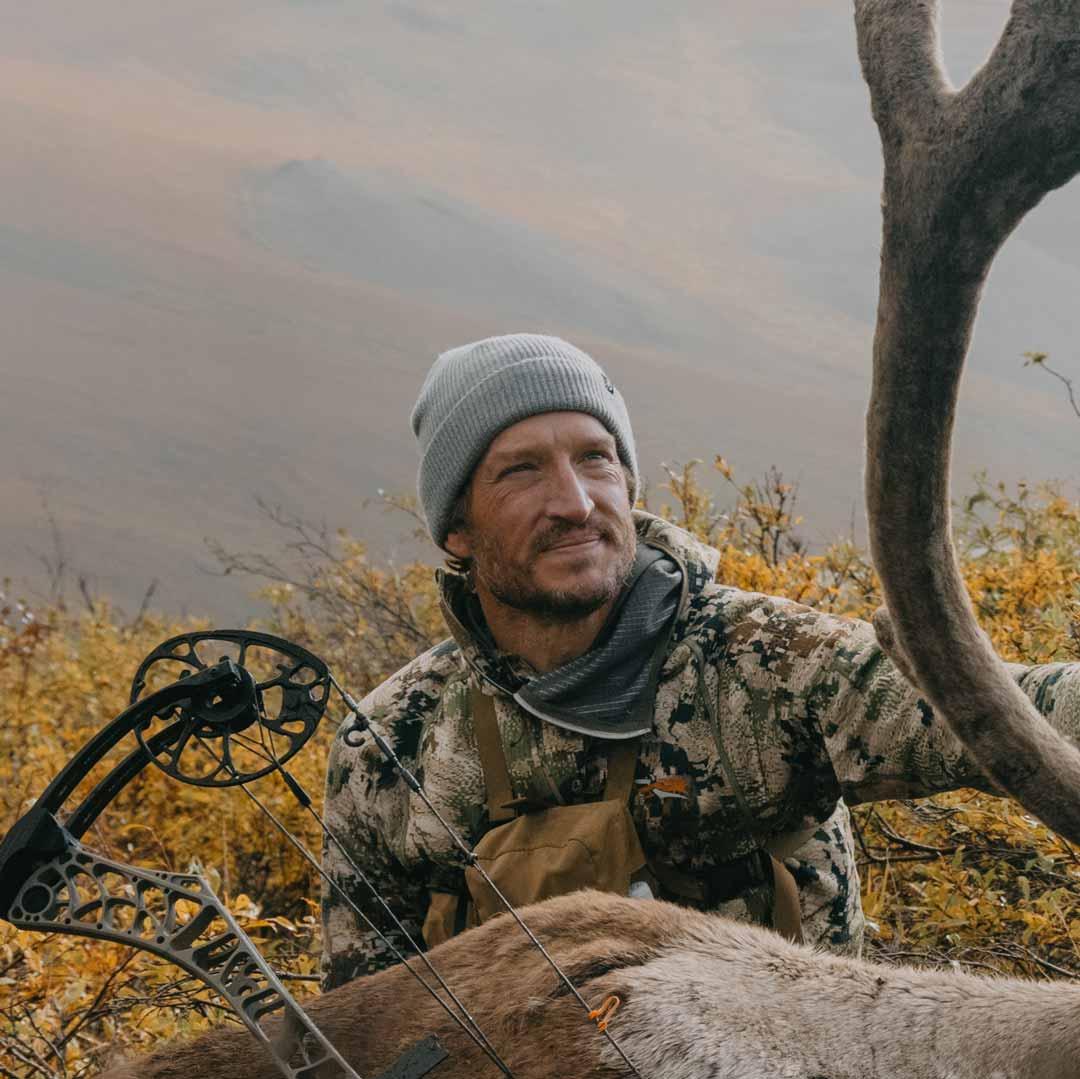

The checklist to go through before your hunt to alleviate any potential problems on your bow

Western archery antelope and mule deer hunts are kicking off shortly. Hopefully we have all been dialing in our gear and getting practice arrows down range so that when the moment of truth arrives, we are ready to capitalize. Every year I like to go through a checklist before I leave to alleviate potential problems with my bow. Below are five things I’d suggest prior to heading out the door on opening day!
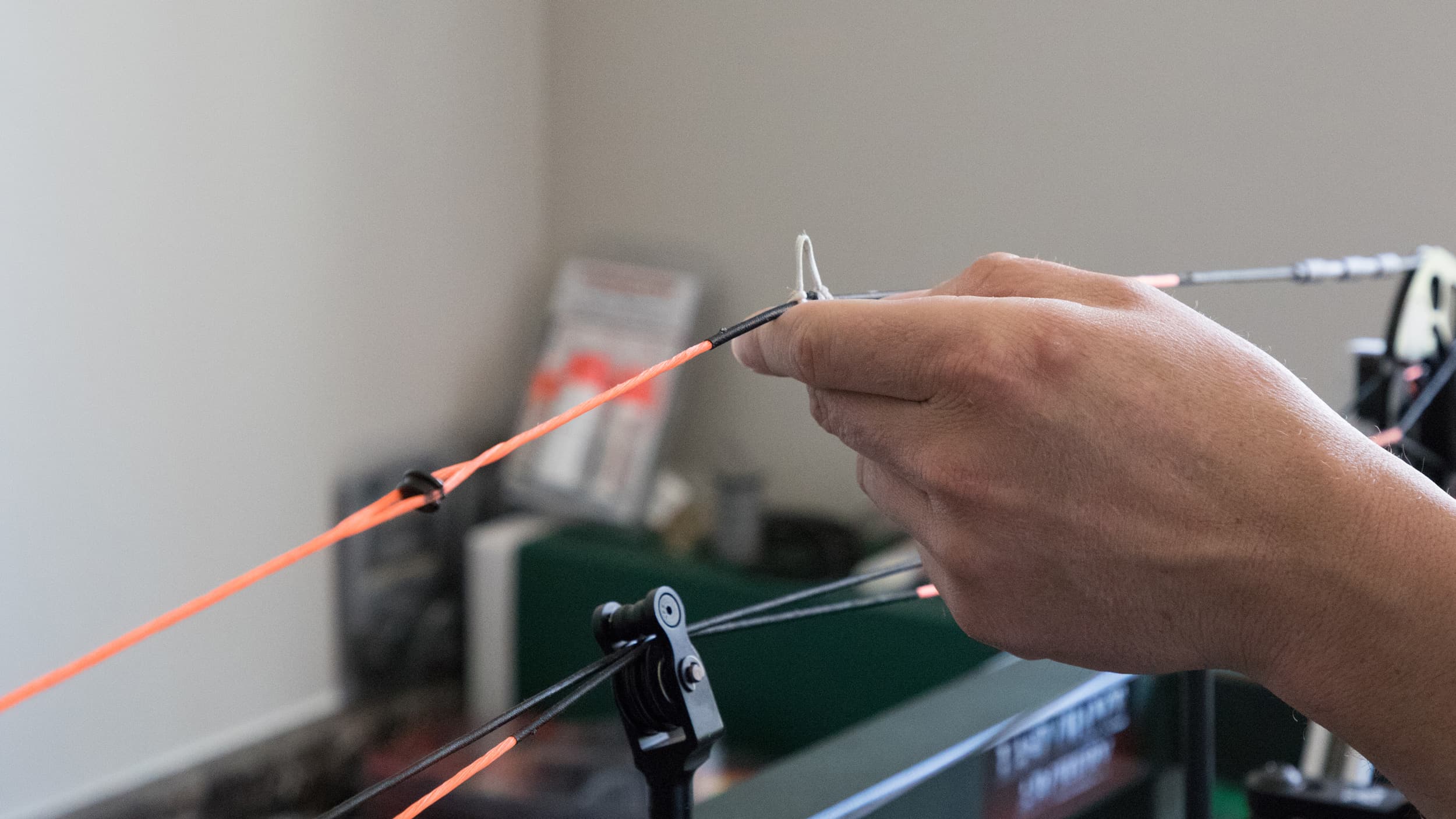
Your strings and cables are the driving force of the arrow, and they are also the most prone to wear and tear. Hopefully you’ve been shooting all summer, but prior to leaving on a hunt, I like to give my strings and cables a checkup. First, I’m looking for serving separation, broken serving, or serving movement, particularly on the center serving.
I recently noticed that my center serving, where I nock the arrow, was showing some fuzziness. Within a couple of days, the serving was broken and beginning to unravel. As it unraveled, my whole nock set was migrating up the string, and my impact points changed. I had to pull the bowstring off, put it on a string stretcher, redo my center serving, and then retune the bow. It wasn’t a major issue, but it would have been had I been leaving for a hunt.
So check your nock set, your center serving, and the serving that goes around the cams and through the cable guard. It’s not uncommon to have some serving separation when your draw stops hit on the control cables. Although that’s a problem I’d want to fix, if I were leaving for a hunt within a few days, I wouldn’t worry about it. Fix it if you can, but separation in that area isn’t nearly as big an issue as the center serving.
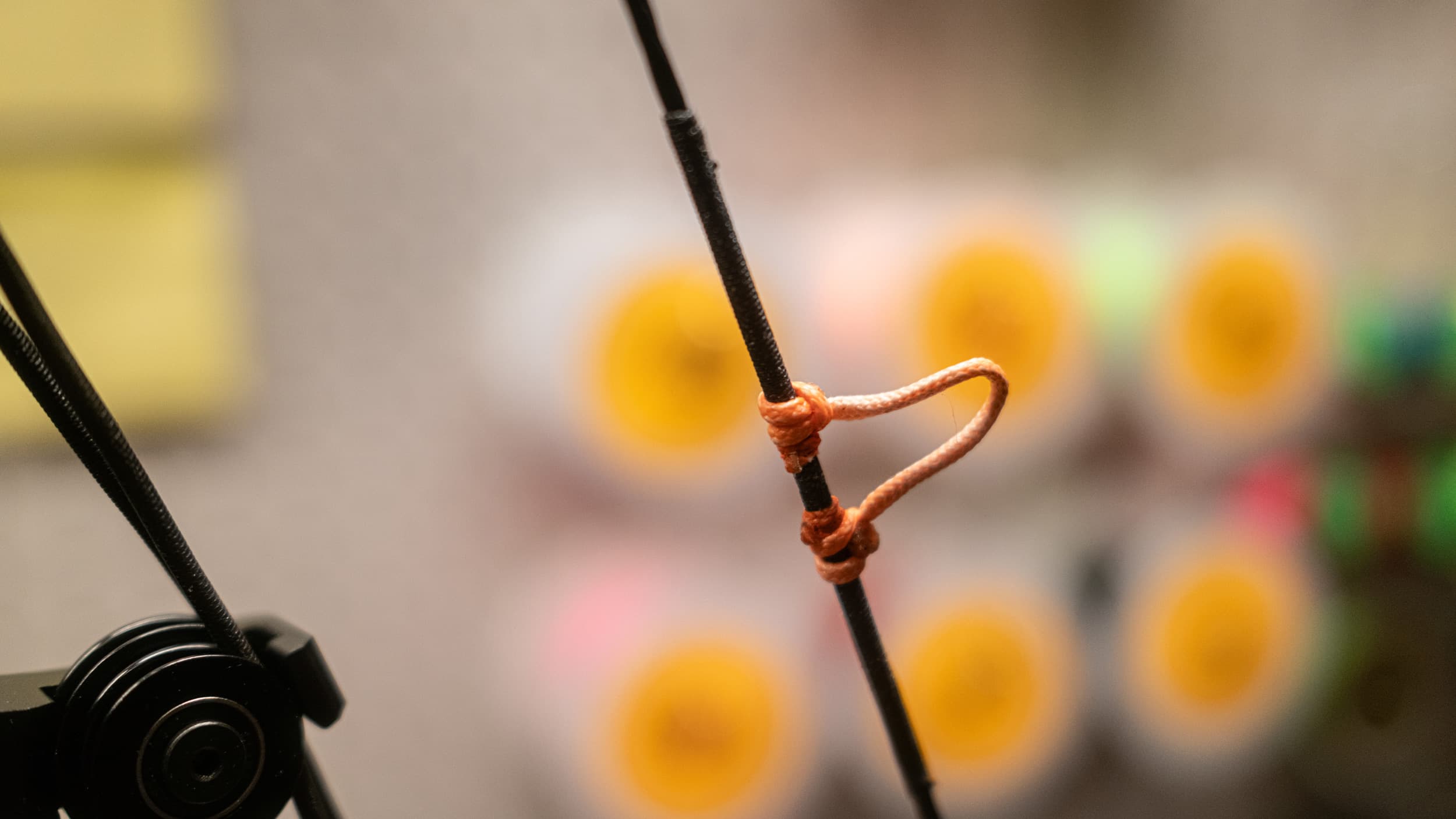
I also like to inspect my strings prior to leaving. I’m mostly looking for broken strands and my peep rotation to make sure my peep is still coming back straight. I’m double-checking my peep location, marking it for future reference, and if I need to clean and wax my strings, then I am doing that now. Some fuzz in my strings isn’t something I worry too much about, but if there are broken strands, I want to replace that string as soon as possible. My favorite string cleaner, revitalizer, and wax is the Easton Dr. Dougs, which comes in a three-step kit. Lastly, I always check my D-loop for wear and tear. I also check my tied-in nocking points to make sure they aren’t coming apart and haven’t moved.
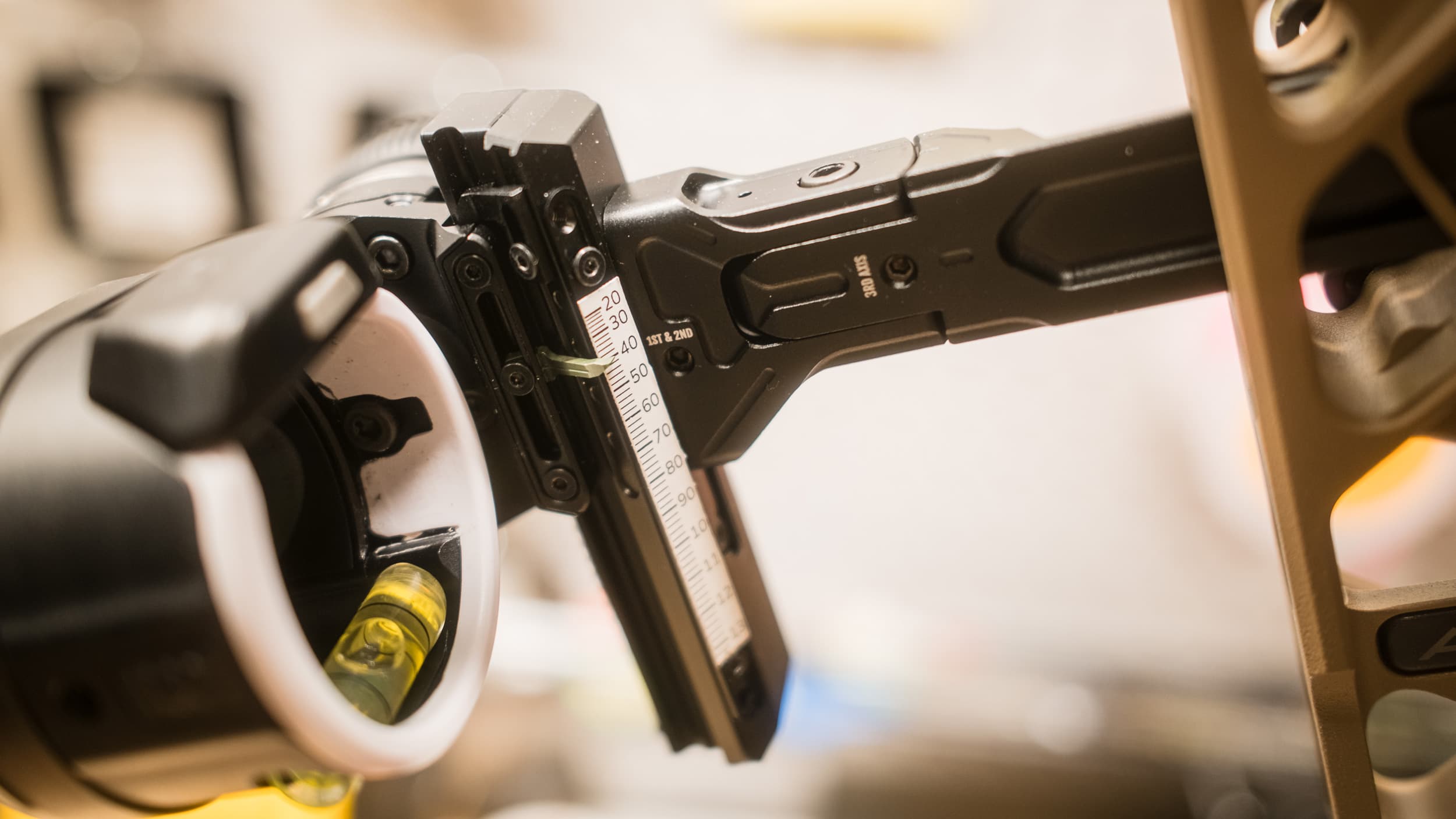
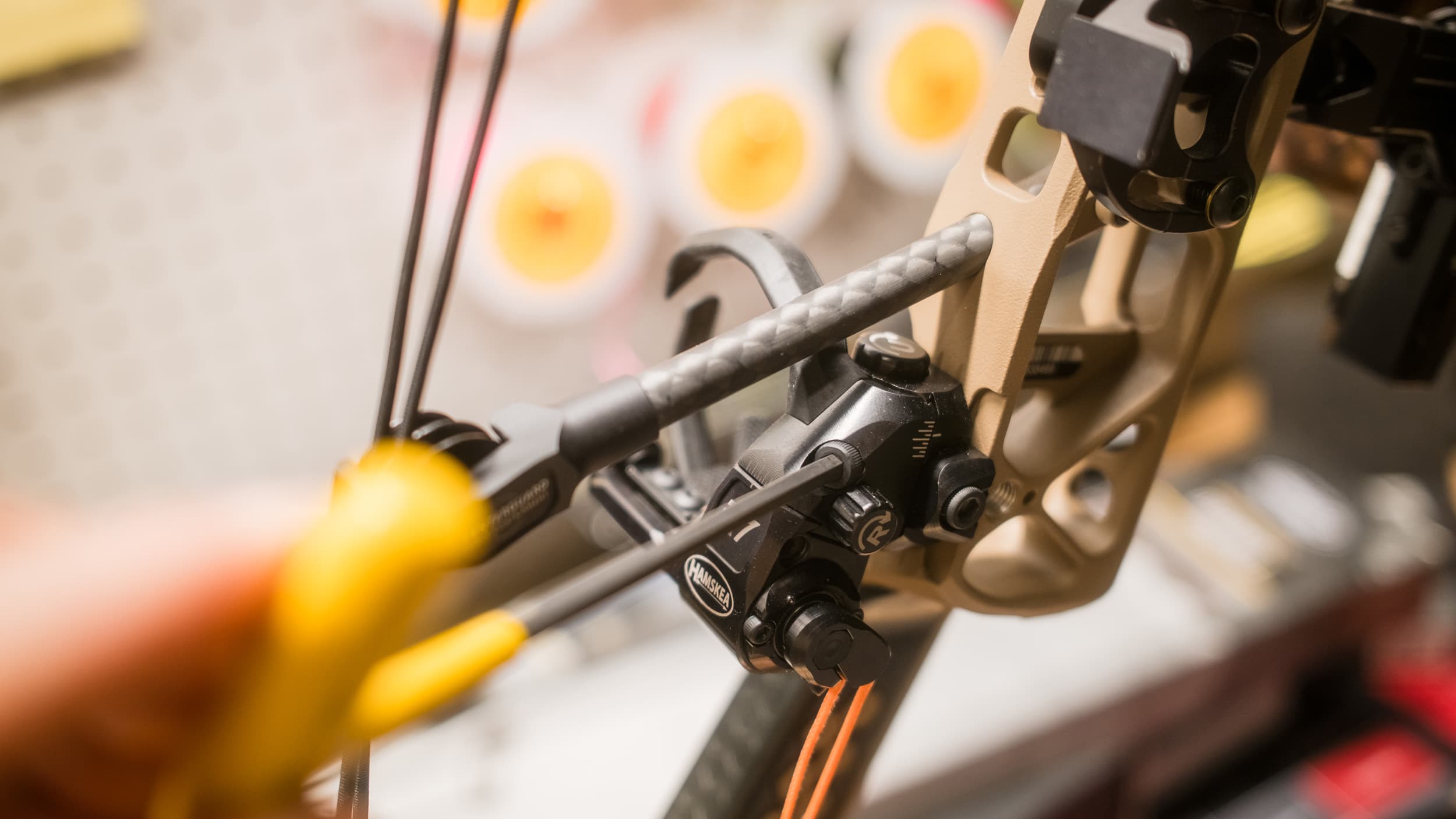
There isn’t a lot to this one, but it might be one of the most important. Make sure you run through your entire bow, rest, sight, quiver, and stabilizers to make sure that all the bolts and screws are snug. I’ve observed a number of folks who have had the set screws in their mods in each cam come loose. In some cases, they are missing screws entirely. Make sure any screws in your cams are tightened. I also like to go through every screw on my sight and tighten it up, including the 1st, 2nd, and 3rd axis screws, and the pin adjustment screws. There are a pile of small screws in your sight; make sure they are good to go.
Same goes for your rest; make sure the windage and vertical adjustment screws are tight. Make sure the launcher blade screws are tight, and if you shoot a limb-driven rest, check the knot that is tied into the limb and the tension screw where it attaches to the rest. Checking that limb-driven rest cord is also worthwhile. Run through the entire bow with an Allen wrench in hand and make sure every bolt and set screw is tight.
Along with tightening all the bolts and screws, I also like to take measurements and pictures of everything on my bow. Particularly, if your rest, sight, or angle of your back bar gets knocked off, I want to know where those need to be to get back to default. I use a silver Sharpie marker to mark those on my bow and accessories, I write them down in my notes on my phone, and I take pictures as well.
Limb issues aren’t common, but every now and then you might pick up a ding in a limb that can cause the whole thing to start to delaminate. I like to inspect each limb prior to hunting season. One easy way to check for splinters is to take a cotton ball and run it along the edges of each limb to see if there are any snags. I've had bows that had splintered limbs, and I have continued to shoot the bow with no issues. I’m not recommending it, and I think you should proceed with caution if you have splintered limbs, but I have continued to shoot and hunt with a bow that had some small limb defects. If you do find a small issue with a limb just prior to a hunt and have determined that it can be drawn and shot safely, I’d suggest taking a small piece of electrical tape and wrapping it. If you can get the limbs replaced in a timely manner, I’d recommend that.
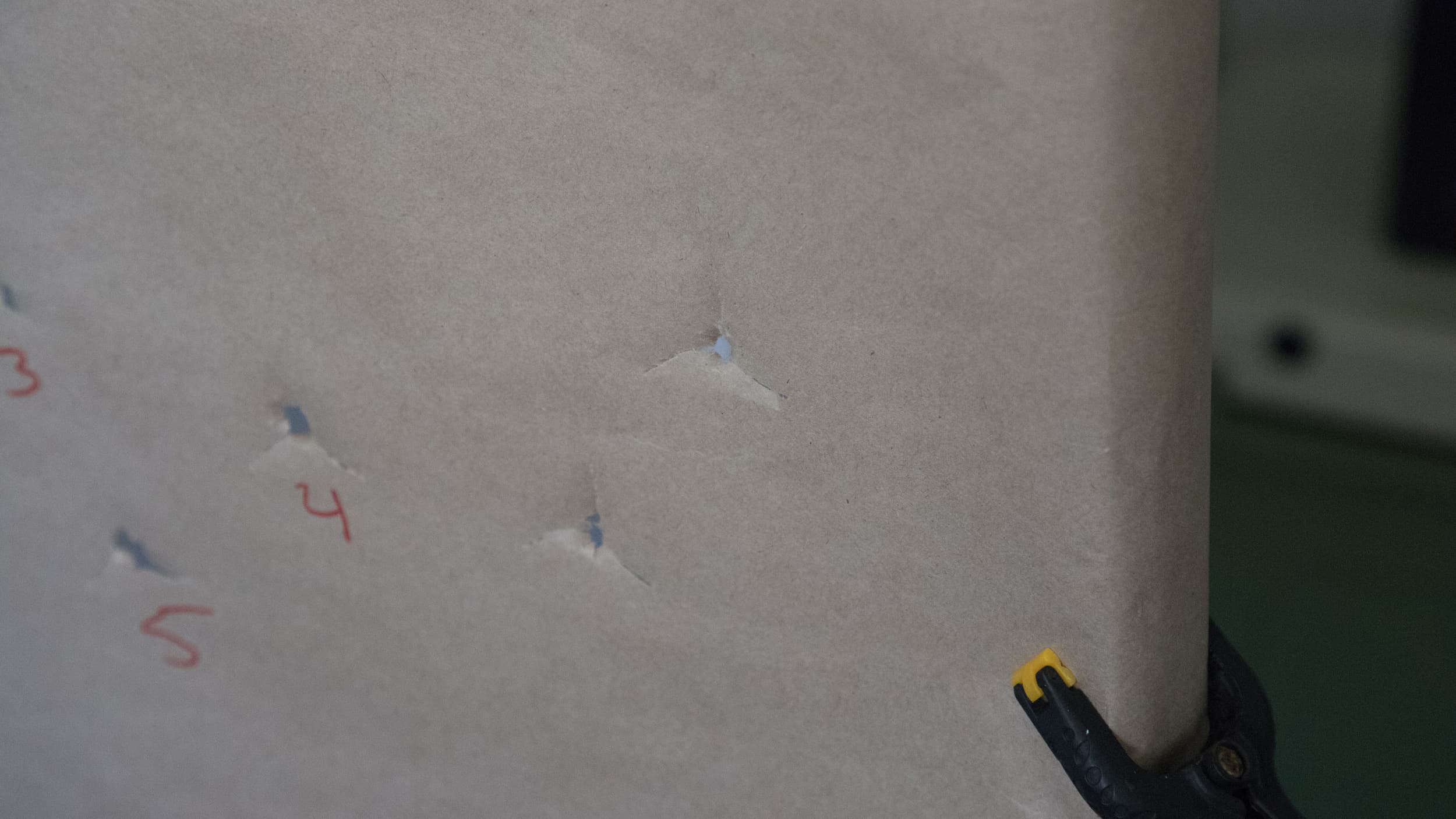
I shoot every arrow that I plan to hunt with prior to putting it in my quiver. My approach is to paper/nock tune every hunting arrow and then shoot it with a broadhead to make sure it’s impacting behind the pin. After that, I’ll take those predetermined hunting arrows and flex them to check for cracks; I check the vanes to make sure they are properly adhered; and I check the nocks for damage. I also check the nock fit of each arrow on the string. I also like to spin them to check for straightness and broadhead alignment. Then I put them in my quiver and set them aside so I am not beating them up during practice sessions.
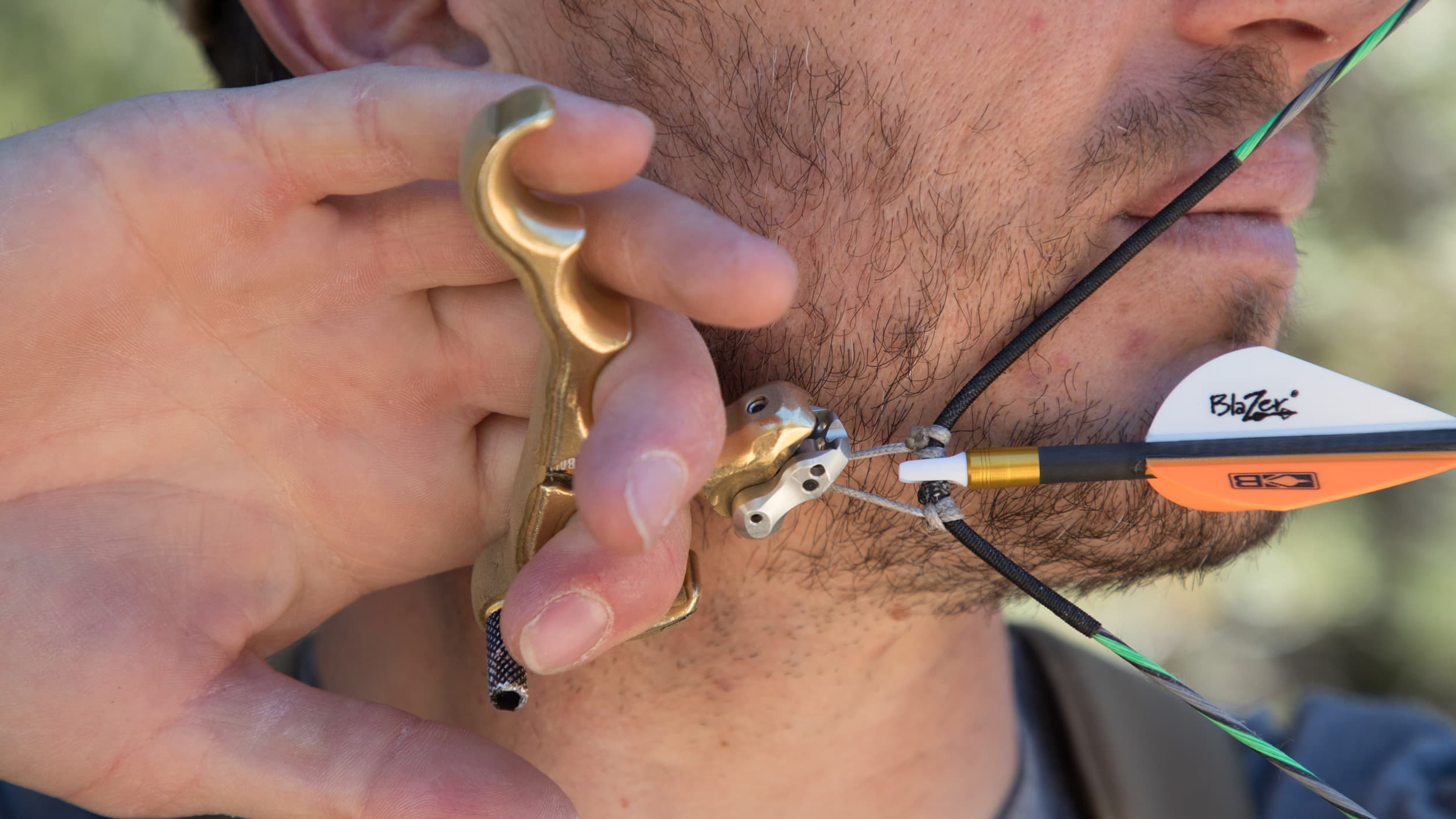
Probably a lot of us miss this step. Trust me, you’re not going to shoot accurately in the field with your fingers should something malfunction with your release, and you can’t use it. Look for jaw wear and tear. Check the travel and tension set screws to make sure they are snug. If you shoot a wrist strap release, check the length of the shank and mark it for reference, and make sure the wrist strap is functional. I also think it’s worth giving your release a good cleaning to get any dirt, pine sap, or anything else that could cause you issues. Lastly, I think everyone should have a backup release that they either keep in their pack or in their vehicle at minimum. In my opinion, your backup release should be identical to your primary release and should be set up exactly the same way. If you don’t have two of the same releases, make sure your impact point is the same with whatever releases you have, because they often do not.
Stuff happens when you are hunting. I’ve taken a fall and knocked my backbar loose, and I’ve bent my sight. I’ve seen guys break strands on their bowstrings. Navigating western mountain landscapes can be hard on equipment, so it’s important to have some tools to repair those in the field. Some tools I keep in my possibles’ pouch and some I keep in my truck, but I always have the following items when I go on a hunt.
Allen wrench set
Extra release
Serving thread w/ jig
Mathews Stay Afield System (Mathews specific)
Extra String/Cables
D-loop material
Spare peep
Extra nocks
Extra broadheads
Broadhead wrench
Judo Tip
Extra batteries for rangefinder
Electrical tape
Small tube of blue thread locker