


Leica Geovid Max: Max Ranging, Max Speed, Max Everything
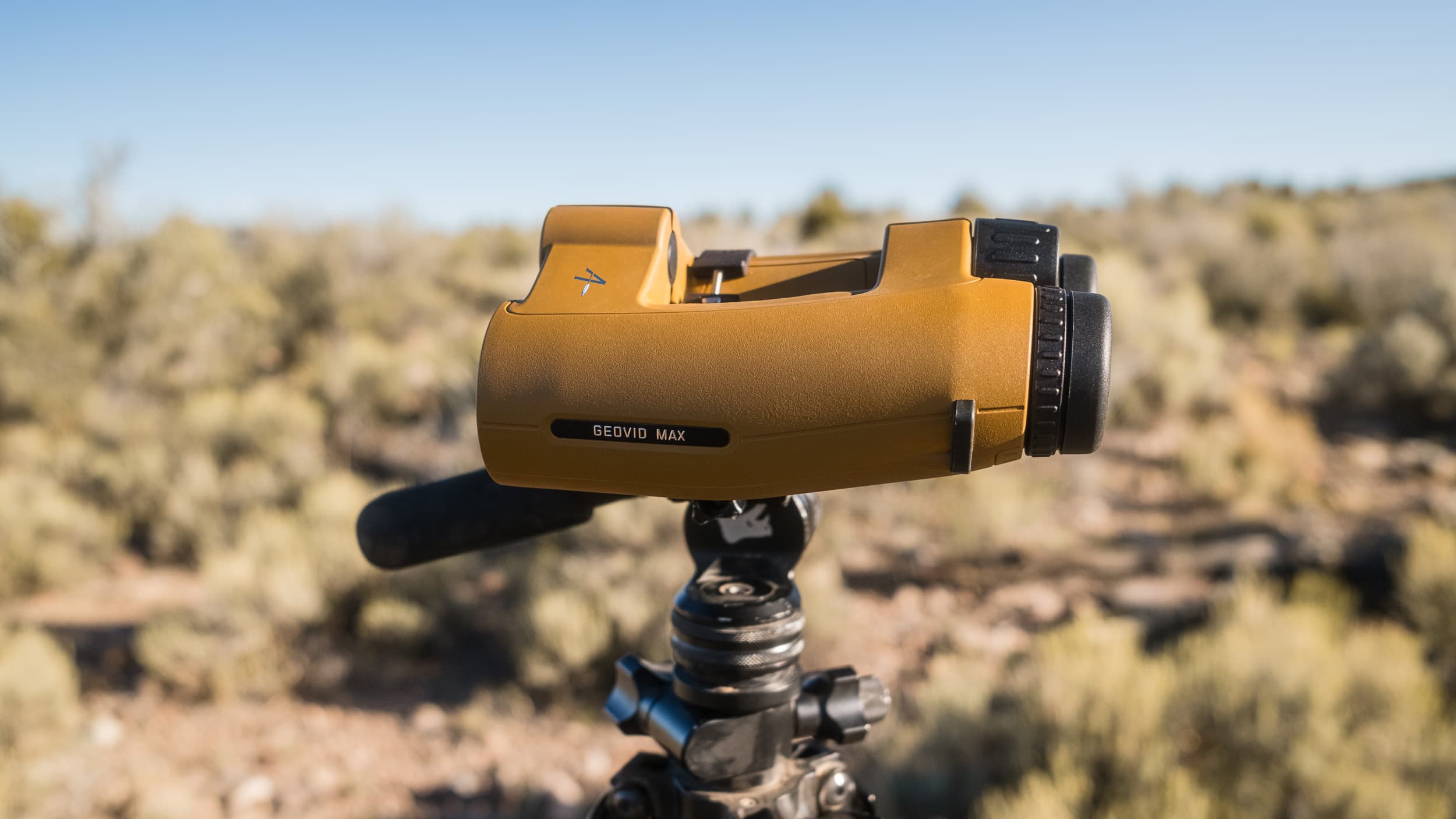
A workhorse of a rangefinding binocular.
Brand new from Leica: the Geovid Max 10x42 rangefinding binocular!
Every now and then, a product is released that truly impresses me, and the new Leica Geovid Max 10x42 rangefinding binocular is setting the bar high for rangefinding binoculars.
They took every cool and essential feature and slammed it into a binocular.
I've had a pair in hand for a while now, leading up to this launch. I've used this binocular at the range for both rifles and muzzleloaders, I've glassed with them on scouting trips this summer, and I've got a hunt coming up where they're going with me. We sell a lot of quality optics here at GOHUNT, and I can tell you Leica did not cut any corners on this one.
Here's the breakdown of why the Geovid Max is a big deal.
What makes the Leica Geovid Max so special?
The short answer: for the first time, you don't have to choose between premium German glass and premium ballistic tech. You get both.
The device level onboard is Applied Ballistics Elite:
30 rifle profiles in the Leica Ballistics app, versus 5 on the ultralight tier
Custom drag models, Coriolis effect correction, and spin drift correction
WEZ (Weapon Employment Zone): Applied Ballistics' shot-probability modeling
Nearly triple the max range of the Leica Geovid Pro: 8,200 yards reflective on the Max versus 3,200 yards on the Pro
But a number that I appreciate is speed. Older Leica models and even some other brands have a slow operation time loop when you range, gather the data, process, then spit out shot probability (and most don’t even have the ability to show you shot probability on screen). The Geovid Max gets you all of that in about half a second, with the ranging measurement itself clocking in at 0.3 seconds. That's the difference between fumbling for data while a buck or bull works toward the ridge and already having your correction dialed by the time he stops to make a perfect shot on a dream hunt.
One optic, less weight on your back
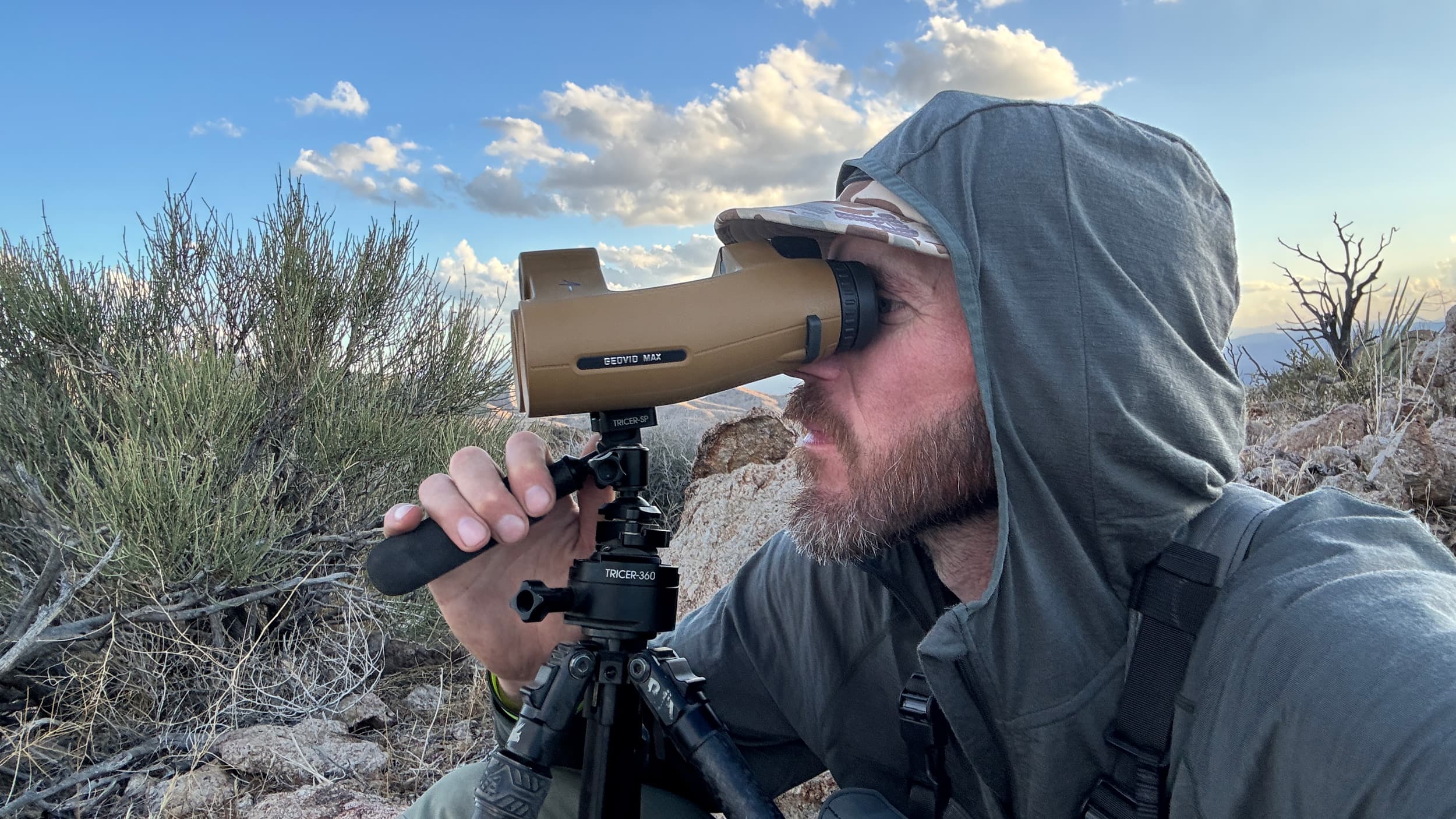
Scouting for mule deer recently with the Leica Geovid Max.
There's a practical argument here beyond the spec sheet, too. If you're currently using a separate rangefinder and a separate pair of binoculars, the Geovid Max lets you drop one of those from your pack and use a combined system. That's real weight and bulk off your back for a full day of glassing, and it's one less piece of gear to fumble for in the heat of the moment. For anyone who's ever cursed how much their gear weighs after a grueling hunt, that's worth something when you’re able to combine two pieces of gear, but not sacrifice anything in the process.
Why "Max" is the right name
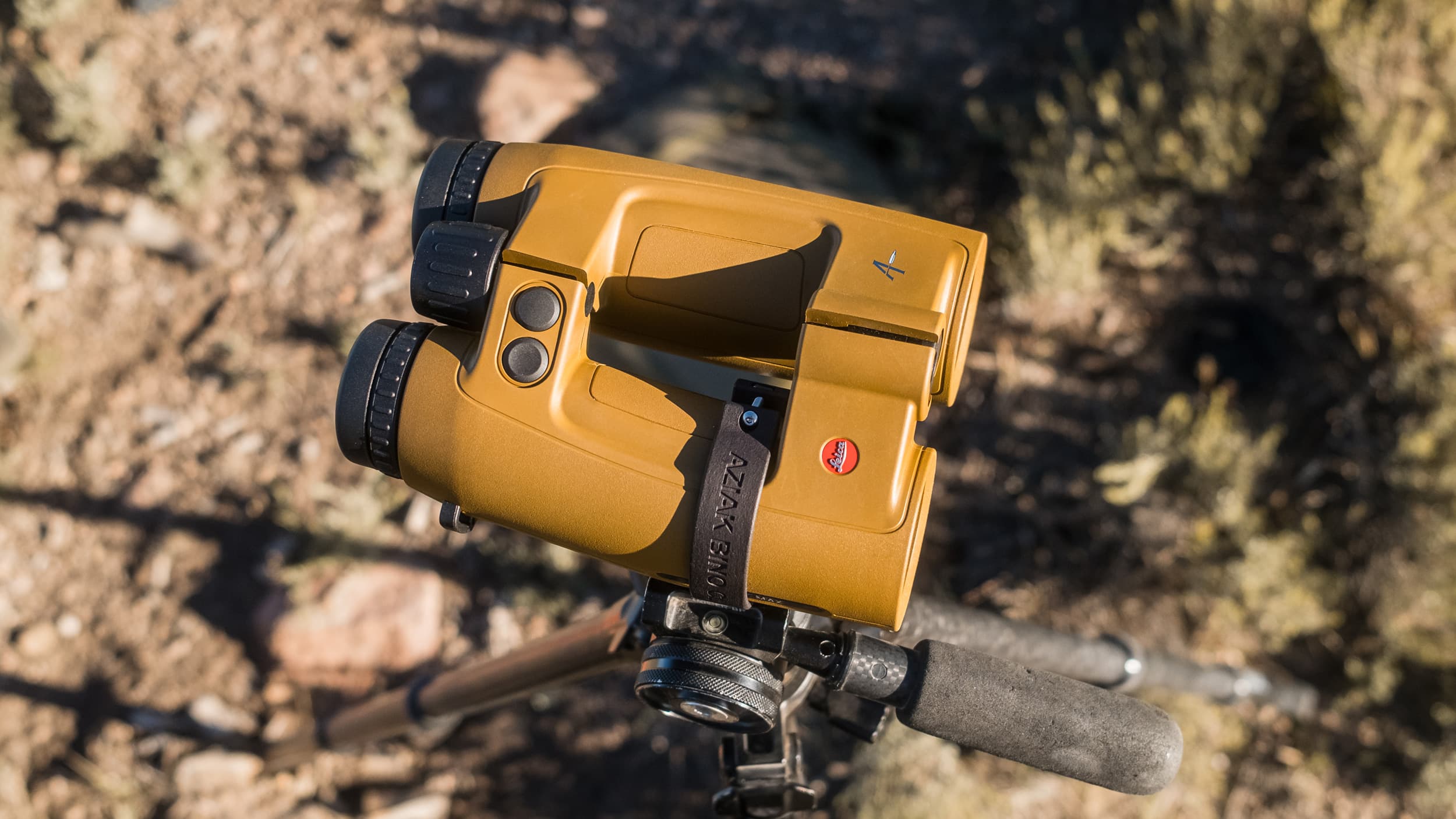
Leica named this binocular Max because it has max ranging, max speed, max brightness/optical quality, and max customizability. That's not just marketing jargon; every one of those claims has real numbers behind it, and the ranging distance is where it really shows up.
Leica rates the Geovid Max at:
Up to 8,200 yards on reflective targets
Up to 4,600 yards on real-world, non-reflective targets like rock faces and trees
Up to 1,600 yards on deer-sized game
During a scouting trip recently, I was repeatedly ranging trees at nearly 4,400 yards handheld, and I bet I could have gone even further by ranging some other more reflective surfaces when mounted on a tripod. Note that conditions matter a ton here for how far you can range, but even accounting for that variability, these are numbers that weren't on the table before.
And you might be asking yourself, why do you need to range that far, because you’ll never take a shot that far?
And yes, you’ll never take a shot at these extreme yardages, but it makes it great when you can range that far and mark a waypoint exactly where that animal is. Or even to understand how far your next glassing knob is away for understanding hiking time.
A display you actually build around your hunt
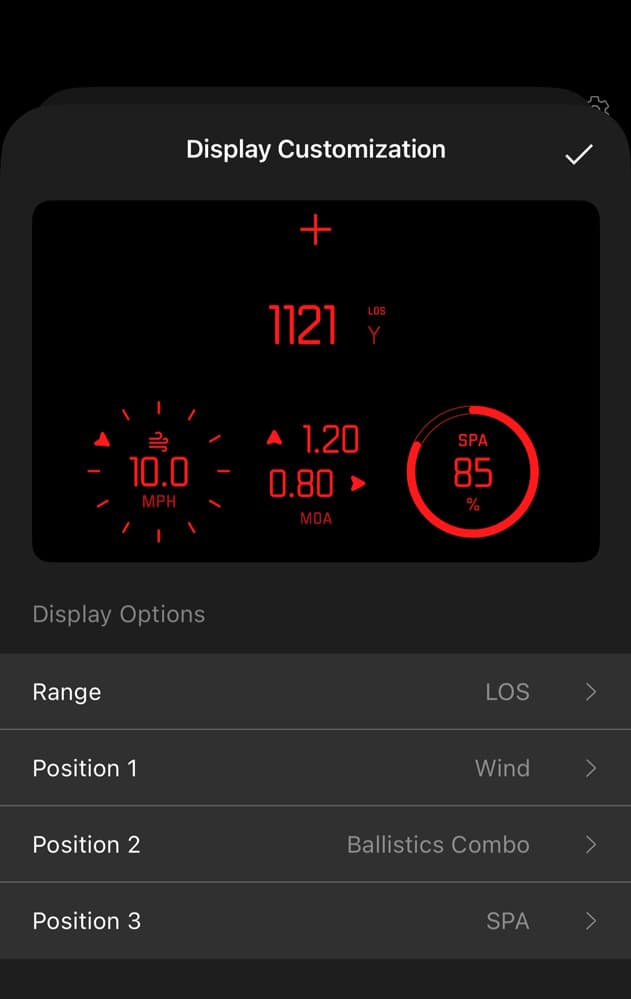
Leica Geovid Max customizable HUD view on their mobile app.
This is the part I think gets overlooked in most rangefinder options, and it's something that really has me excited: the Geovid Max runs on a fully customizable HUD, a 640x480 pixel active-matrix microLED display that Leica claims is the brightest in the industry. I’ve compared it to several other models we sell at GOHUNT, and I truly believe that it’s crisper and brighter through my eyes (and you can set the brightness at whatever level you want or set it to auto). The display brightness is so bright that you can activate it and then pull the binoculars off of your face, and your buddy can see a light reflecting off your face.
You can trim the display down to the essentials, or spice it up with a ton of data. Personally, I like seeing more data. But I also understand that some people might find that too much information, which is why I love that Leica allows for their display to be customizable.
You get three widget positions in addition to the core range readout and reticle, and you decide what goes where:
Wind: programmable manually or fed live via Kestrel or Calypso
Ballistics combo: elevation and windage correction displayed together
Compass bearing or Shot Probability Analysis (SPA): your percentage likelihood of a first-round hit in the vitals based on target size and shape
Want it stripped all the way down for an early-season bow hunt? Run just the reticle and your equivalent horizontal range and nothing else. Want everything? Stack all three widgets and get max data. The beauty of it is that you can save multiple profiles, one for your rifle setup, one for archery, one for a buddy's setup, and the HUD adapts instantly when you switch. What I like is that you can match the HUD to what is important to you, not the other way around. Set it up for what matters to you.
You've also got three selectable reticle shapes (circle, square, cross) and a dedicated windage screen you can pull up with a single button press when conditions change and you need a fast correction without breaking your position.
The Leica Ballistics App makes customizing the HUD super easy, as well as building out all of your ballistics profiles. And it’s an app that I can tell was built with hunters in mind, as it’s easy to use and has everything you need and nothing you don’t.
Applied Ballistics — Built in, not bolted on
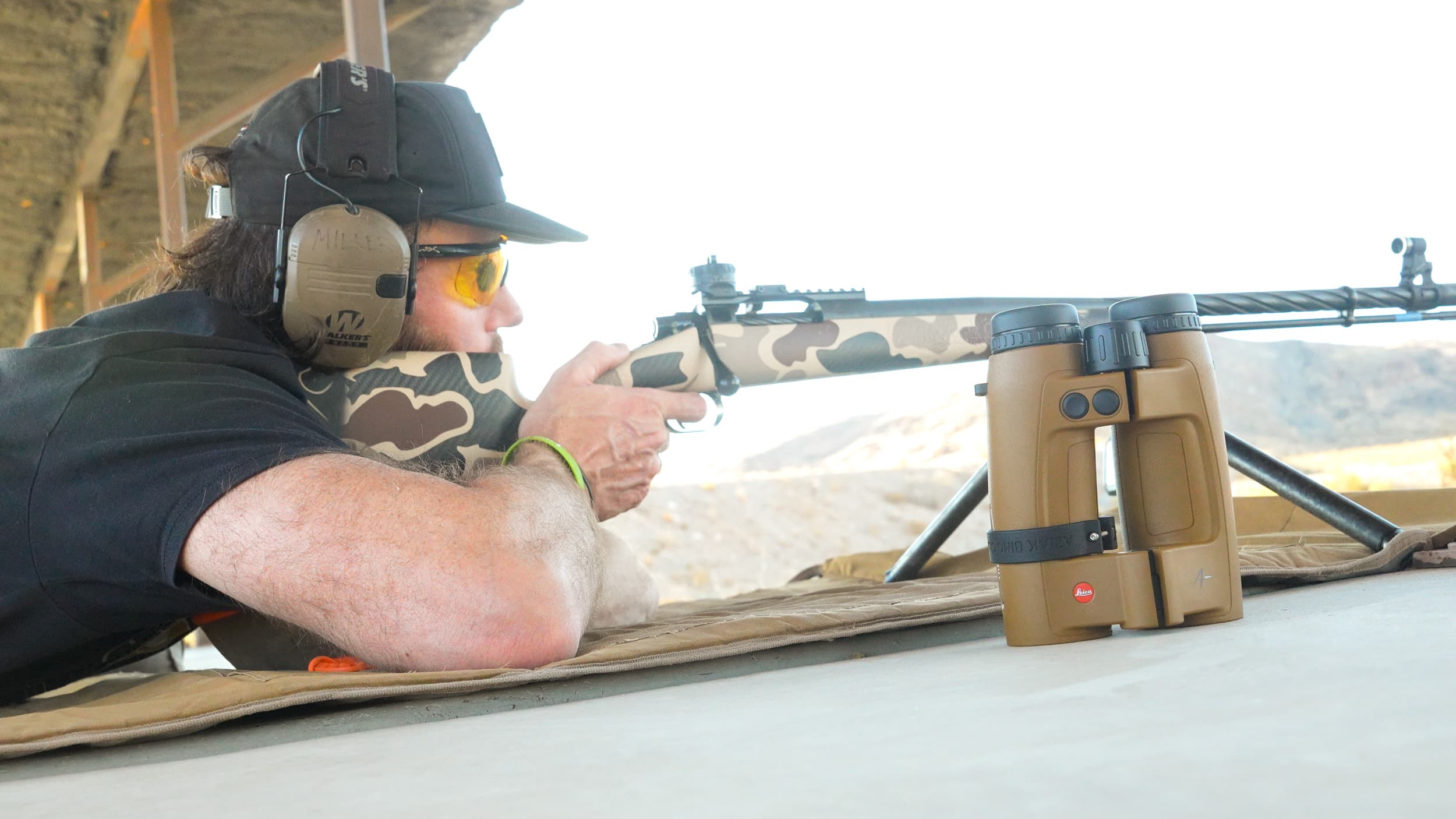
Validating my muzzleloader with the Leica Geovid Max.
Applied Ballistics is pretty much the gold standard, and Leica integrates it directly into the optical platform rather than reinventing the wheel. It's the thing making that half-second data delivery possible in the first place, the solver is running in real time, on the device, as you range.
An open ecosystem
This is one of Leica's bigger shifts. Instead of locking you into one proprietary system, the Geovid Max links up with the gear you're probably already using or considering to pick up:
Garmin and Apple watches: reference your data on your wrist
Kestrel: live wind and weather
Calypso: integrated weather data
Your GPS mapping app of choice: send a ranged target's location straight to a pin on the map
Applied Ballistics, weather metering, mapping sync, and wearable connectivity are all things a lot of competitor rangefinders either don't offer at all or offer in a limited, brand-contained way. Leica would rather have shooters connect the tools they already use than get locked into one closed system, and I think that's the right call.
The numbers that matter most
Here's the tech-spec rundown for anyone who wants the full picture:
Leica Geovid Max details
Specs | Magnification |
|---|---|
Leica Geovid Max | 10x |
Specs | Objective |
Leica Geovid Max | 42mm |
Specs | Dimensions (WxHxD) |
Leica Geovid Max | 4.9” x 6.9” x 2.8” |
Specs | Weight |
Leica Geovid Max | 34.2 oz without battery |
Specs | Exit Pupil |
Leica Geovid Max | 4.2mm |
Specs | Twilight Factor |
Leica Geovid Max | 20.5 |
Specs | Field of View at 1,000 yards |
Leica Geovid Max | 342 ft |
Specs | Eye Relief |
Leica Geovid Max | 16mm |
Specs | Objective Angle Of View |
Leica Geovid Max | 6.45 degrees |
Specs | Close Distance |
Leica Geovid Max | 16 ft |
Specs | Adjustable Interpupillary Distance |
Leica Geovid Max | 56 to 74mm |
Specs | Light Transmission |
Leica Geovid Max | 91% |
Specs | Range Reflective |
Leica Geovid Max | Up to 8,200 yards |
Specs | Range Tree |
Leica Geovid Max | Up to 4,600 yards |
Specs | Range Deer |
Leica Geovid Max | Up to 1,600 yards |
Specs | Minimum Range |
Leica Geovid Max | 10 yards |
Specs | Equivalent Horizontal Range (EHR) |
Leica Geovid Max | 10 yards up to approx. 4,600 yards or better |
Specs | Correction Output with Applied Ballistics Elite |
Leica Geovid Max | No limit |
Specs | Measuring Accuracy |
Leica Geovid Max | 0.5 yards at 10 to 219 yards |
Specs | Measuring Time |
Leica Geovid Max | Max 0.3 seconds |
Specs | Measuring Modes |
Leica Geovid Max | Scan mode, single measurement |
Specs | Display |
Leica Geovid Max | Customizable 640x480 pixel active-matrix microLED |
Specs | Prism System |
Leica Geovid Max | Perger-Porro system |
Specs | Lens Coating |
Leica Geovid Max | HDC multilayer coating, AquaDura coating |
Specs | Laser Beam Divergence |
Leica Geovid Max | 1.8 x 0.8 mrad |
Specs | Battery |
Leica Geovid Max | CR2 |
Specs | Battery Lifetime |
Leica Geovid Max | Approx. 2,000 measurements at 68 degrees F |
Specs | Watertightness |
Leica Geovid Max | To a depth of 16 ft / 5 m |
Specs | Housing |
Leica Geovid Max | Magnesium, nitrogen filled |
Specs | Device Level |
Leica Geovid Max | Applied Ballistics Elite |
Specs | Leica Geovid Max |
|---|---|
Magnification | 10x |
Objective | 42mm |
Dimensions (WxHxD) | 4.9” x 6.9” x 2.8” |
Weight | 34.2 oz without battery |
Exit Pupil | 4.2mm |
Twilight Factor | 20.5 |
Field of View at 1,000 yards | 342 ft |
Eye Relief | 16mm |
Objective Angle Of View | 6.45 degrees |
Close Distance | 16 ft |
Adjustable Interpupillary Distance | 56 to 74mm |
Light Transmission | 91% |
Range Reflective | Up to 8,200 yards |
Range Tree | Up to 4,600 yards |
Range Deer | Up to 1,600 yards |
Minimum Range | 10 yards |
Equivalent Horizontal Range (EHR) | 10 yards up to approx. 4,600 yards or better |
Correction Output with Applied Ballistics Elite | No limit |
Measuring Accuracy | 0.5 yards at 10 to 219 yards |
Measuring Time | Max 0.3 seconds |
Measuring Modes | Scan mode, single measurement |
Display | Customizable 640x480 pixel active-matrix microLED |
Prism System | Perger-Porro system |
Lens Coating | HDC multilayer coating, AquaDura coating |
Laser Beam Divergence | 1.8 x 0.8 mrad |
Battery | CR2 |
Battery Lifetime | Approx. 2,000 measurements at 68 degrees F |
Watertightness | To a depth of 16 ft / 5 m |
Housing | Magnesium, nitrogen filled |
Device Level | Applied Ballistics Elite |
The color profile is something you have to see to understand
One thing I’ve always heard about when it comes to Leica is the color profile through the glass. I'd noticed it side by side with a buddy's other brand alpha-tier binoculars while scouting sagebrush and pinion-juniper country. My friends’ glass ran noticeably cooler, almost too white, and Leica's had a richer, warmer feel that made things easier to pick apart.
When I asked Hamilton Boykin, Leica’s Product & Training Manager, about it on a recent Miller Tines Podcast, he corrected me a little. Leica doesn't tune for warmth; they tune for neutral color with high saturation, so what you're seeing is accurate color rendered vividly, not a color cast. He explained that some manufacturers push blue transmission because blue is the last color your eye loses at dusk, while others push reds and browns to make animals pop against foliage. Leica's approach is to stay neutral and accurate across the entire day instead of over-tuning for one moment of it, and because your eye isn't fighting to interpret a skewed color, it does less adjusting, which cuts down on eye fatigue over a long glassing session. As someone who's slightly colorblind, that mattered more than I expected. Deer and elk seemed to pop against the terrain a little easier than I'm used to, even at a distance.
Durability that goes beyond the spec sheet
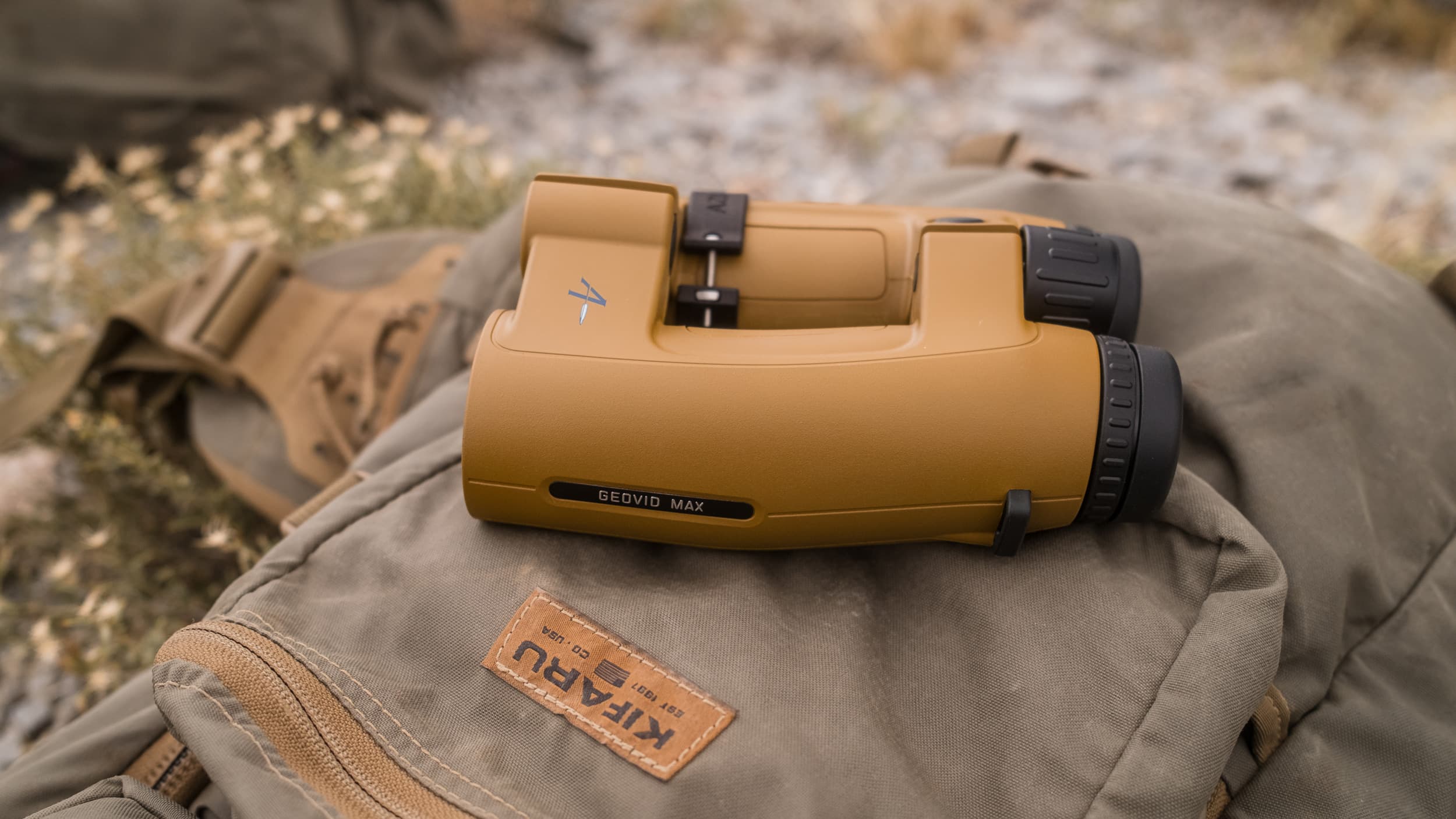
One thing in my conversation with Leica that I kept hearing brought up was: Leica doesn't just build products for good weather. Their entire full-size binocular and spotting scope lineup is waterproof to 5 meters, and that's not a random number. It was explained to me that the pressure difference at 5 meters underwater is roughly equivalent to what a sealed optic experiences at over 18,000 feet of elevation. For context, you can drive on paved roads to nearly 13,000 feet in Colorado, but there are only two summits in all of North America above 18,000 feet, and nobody's glassing off the summit of either one. Even Leica's least expensive full-size binocular meets that standard, which happens to be the same 4-meter rating that $3,000-$4,000 glass from other premium brands claims as a top-tier feature. If you're headed on a serious backcountry hunt where a fogged-out or failed seal would ruin the trip, that's the kind of spec that matters more than people give it credit for.
Glass off a tripod with a separate accessory
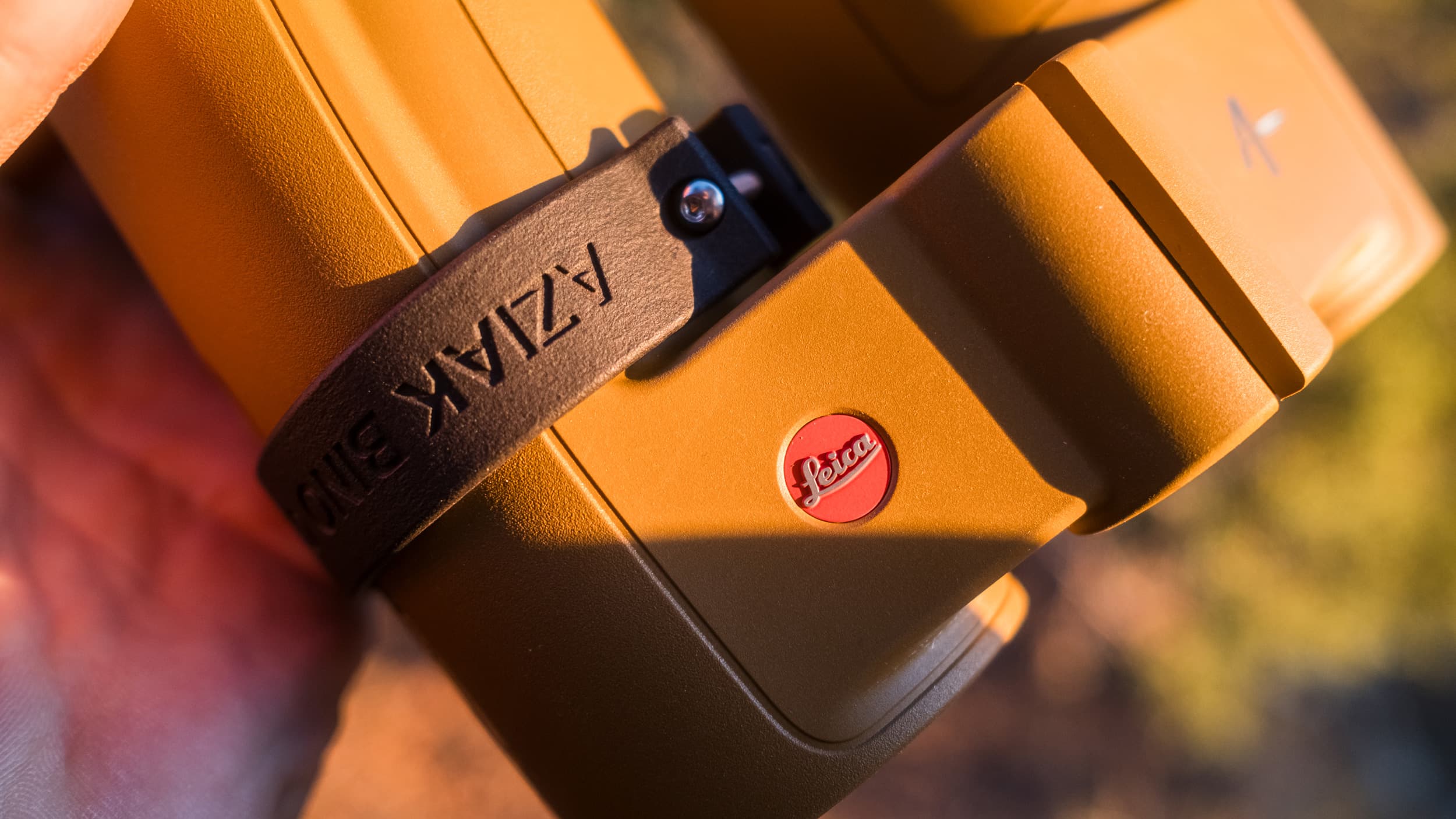
Being able to glass off a tripod is essential. And you can mount these binoculars to a tripod using aftermarket kits from other companies. I was using the Aziak bino clamp #3 to make this binocular Arca Swiss compatible.
The big one: price and availability
The Leica Geovid Max costs $3,999, the exact same price as the Geovid Pro AB Plus it replaces, and it's in stock and ready to ship today. This is not a "preorder now, wait six months" situation.
More capability, same price, no waiting.
Final thoughts
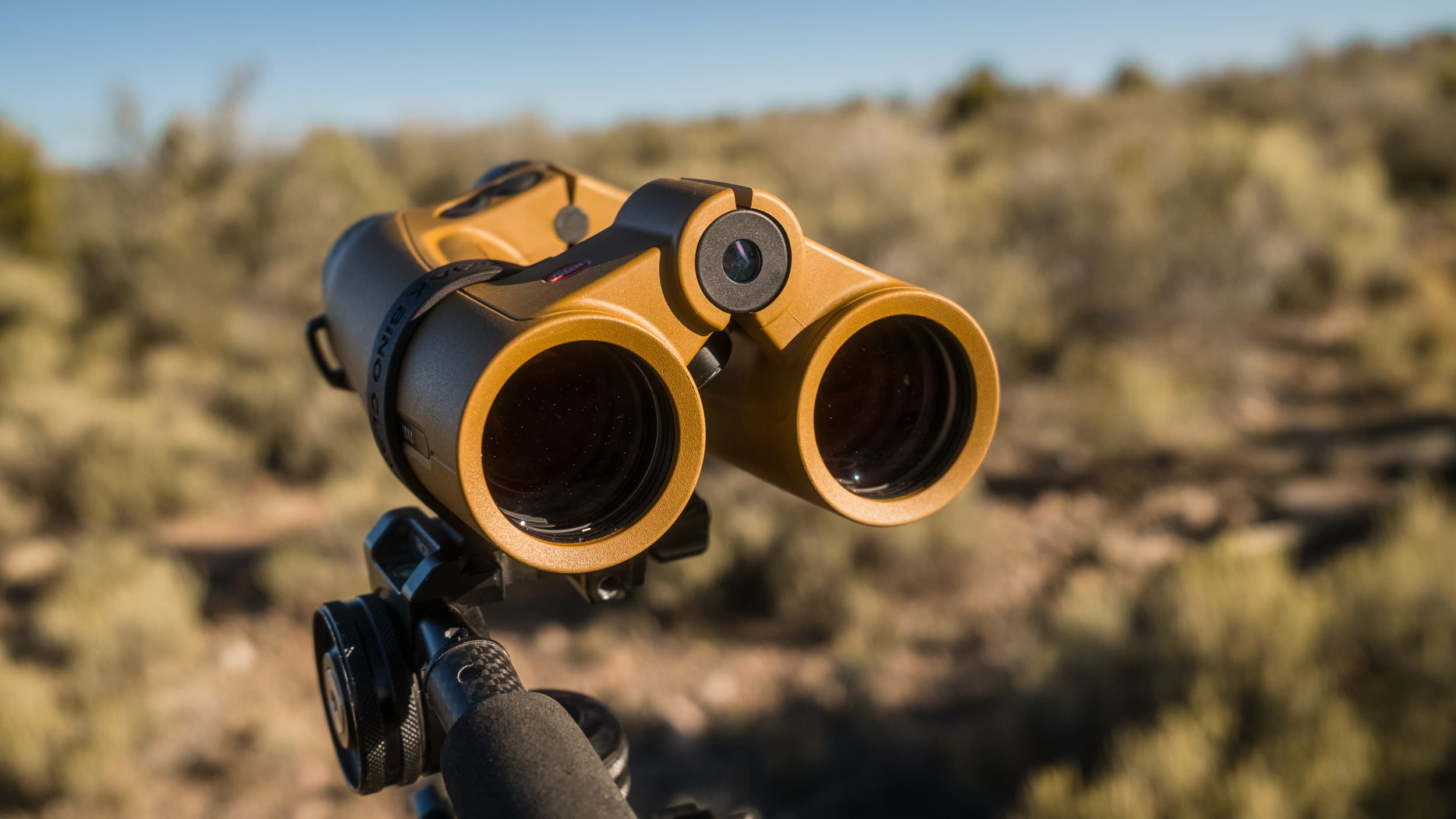
I've used a lot of rangefinding binoculars over the years, and I don't throw around words like "convergence" lightly, but that's genuinely the best way I can describe what Leica did here. Optical quality, range, ballistics, and full customization, all operating as one system, in a package that doesn't ask you to compromise on glass to get there.
If you're heading out on a hunt this season, this is a pair of binoculars worth paying attention to. I'll be using mine on an upcoming hunt, and I can’t wait to see how it performs when it matters most.