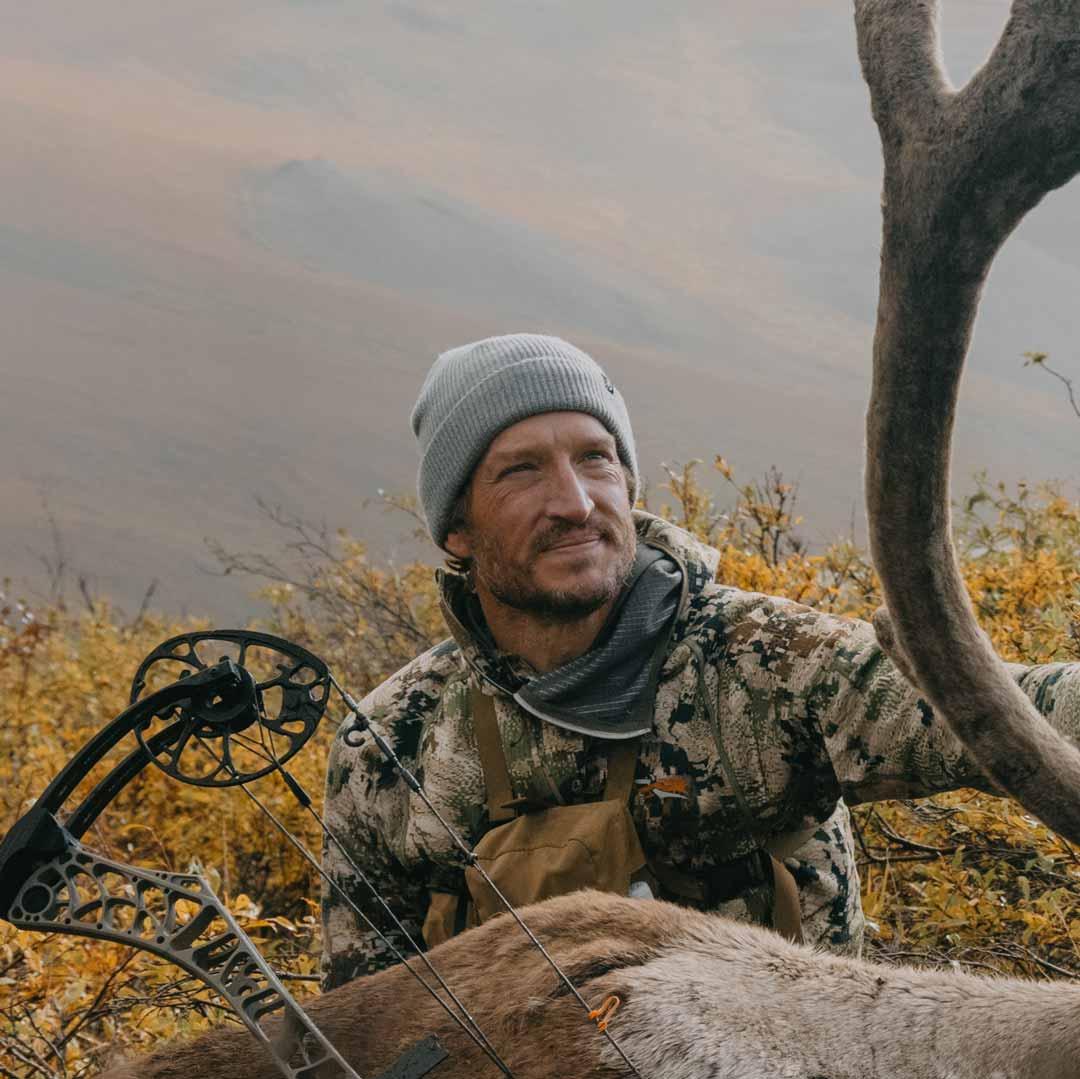

Get ready for New Mexico's all species application deadline and start researching today for 2026 hunts!

Number of applicants | 1 (single applicant) |
|---|---|
Minimum permit number if applying in nonresident draw | 13 |
Minimum permit number if applying in guide draw | 7 |
Number of applicants | 2 (party application) |
Minimum permit number if applying in nonresident draw | 25 |
Minimum permit number if applying in guide draw | 19 |
Number of applicants | 3 (party application) |
Minimum permit number if applying in nonresident draw | 44 |
Minimum permit number if applying in guide draw | 25 |
Number of applicants | 4 (party application) |
Minimum permit number if applying in nonresident draw | 63 |
Minimum permit number if applying in guide draw | 38 |
Number of applicants | Minimum permit number if applying in nonresident draw | Minimum permit number if applying in guide draw |
|---|---|---|
1 (single applicant) | 13 | 7 |
2 (party application) | 25 | 19 |
3 (party application) | 44 | 25 |
4 (party application) | 63 | 38 |
Item | Hunting license |
|---|---|
Resident | $25 for adult |
Nonresident | $90 for adult |
Item | Habitat stamp |
Resident | $10 |
Nonresident | $10 |
Item | Habitat management and access validation |
Resident | $4 |
Nonresident | $4 |
Item | Application fee per species |
Resident | $7 |
Nonresident | $13 |
Item | Elk (standard) |
Resident | $100 |
Nonresident | $773 |
Item | Elk (quality/high demand) |
Resident | $100 |
Nonresident | $998 |
Item | Antelope |
Resident | $70 |
Nonresident | $423 |
Item | Resident | Nonresident |
|---|---|---|
Hunting license | $25 for adult | $90 for adult |
Habitat stamp | $10 | $10 |
Habitat management and access validation | $4 | $4 |
Application fee per species | $7 | $13 |
Elk (standard) | $100 | $773 |
Elk (quality/high demand) | $100 | $998 |
Antelope | $70 | $423 |

Code | S |
|---|---|
Meaning | Standard hunt/standard pricing |
Code | Q |
Meaning | Quality hunt/quality pricing |
Code | HD |
Meaning | High demand/high demand pricing |
Code | Q/HD |
Meaning | Quality and high demand/quality pricing |
Code | Meaning |
|---|---|
S | Standard hunt/standard pricing |
Q | Quality hunt/quality pricing |
HD | High demand/high demand pricing |
Q/HD | Quality and high demand/quality pricing |
Unit | 16A |
|---|---|
Trophy potential | 370”+ |
Harvest success | Archery: 26% |
Bull:cow ratio | 33:100 |
Resident draw odds | 31% |
Nonresident draw odds | 2.1% |
2026 total number of licenses | 250 |
Unit | 16D |
Trophy potential | 370”+ |
Harvest success | Archery: 49% |
Bull:cow ratio | 33:100 |
Resident draw odds | 19% |
Nonresident draw odds | 1.1% |
2026 total number of licenses | 90 |
Unit | 6B |
Trophy potential | 360”+ |
Harvest success | Archery: 57% |
Bull:cow ratio | 48:100 |
Resident draw odds | 5.7% |
Nonresident draw odds | .65% |
2026 total number of licenses | 25 |
Unit | 17 |
Trophy potential | 360”+ |
Harvest success | Archery: 19% |
Bull:cow ratio | 51:100 |
Resident draw odds | 38% |
Nonresident draw odds | 4.6% |
2026 total number of licenses | 125 |
Unit | 36 |
Trophy potential | 360”+ |
Harvest success | Archery: 41% |
Bull:cow ratio | 66:100 |
Resident draw odds | 28% |
Nonresident draw odds | 2.8% |
2026 total number of licenses | 140 |
Unit | 15 |
Trophy potential | 350”+ |
Harvest success | Archery: 30% |
Bull:cow ratio | 33:100 |
Resident draw odds | 27% |
Nonresident draw odds | 2.8% |
2026 total number of licenses | 350 |
Unit | 34 |
Trophy potential | 350”+ |
Harvest success | Archery: 37% |
Bull:cow ratio | 52:100 |
Resident draw odds | 16% |
Nonresident draw odds | 2% |
2026 total number of licenses | 200 |
Unit | 55A Valle Vidal |
Trophy potential | 340”+ |
Harvest success | Archery: 43% |
Bull:cow ratio | N/A |
Resident draw odds | 19% |
Nonresident draw odds | 1.6% |
2026 total number of licenses | 25 |
Unit | 16B/22 |
Trophy potential | 340”+ |
Harvest success | Archery: 17% |
Bull:cow ratio | 33:100 |
Resident draw odds | 57% |
Nonresident draw odds | 4% |
2026 total number of licenses | 225 |
Unit | Trophy potential | Harvest success | Bull:cow ratio | Resident draw odds | Nonresident draw odds | 2026 total number of licenses |
|---|---|---|---|---|---|---|
16A | 370”+ | Archery: 26% | 33:100 | 31% | 2.1% | 250 |
16D | 370”+ | Archery: 49% | 33:100 | 19% | 1.1% | 90 |
6B | 360”+ | Archery: 57% | 48:100 | 5.7% | .65% | 25 |
17 | 360”+ | Archery: 19% | 51:100 | 38% | 4.6% | 125 |
36 | 360”+ | Archery: 41% | 66:100 | 28% | 2.8% | 140 |
15 | 350”+ | Archery: 30% | 33:100 | 27% | 2.8% | 350 |
34 | 350”+ | Archery: 37% | 52:100 | 16% | 2% | 200 |
55A Valle Vidal | 340”+ | Archery: 43% | N/A | 19% | 1.6% | 25 |
16B/22 | 340”+ | Archery: 17% | 33:100 | 57% | 4% | 225 |
Unit | 13 |
|---|---|
Trophy potential | 360”+ |
Harvest success | Archery: 23% |
Bull:cow ratio | 40:100 |
Resident draw odds | 44% |
Nonresident draw odds | 4.9% |
2026 total number of licenses | 202 |
Unit | 16C |
Trophy potential | 360”+ |
Harvest success | Archery: 20% |
Bull:cow ratio | 33:100 |
Resident draw odds | 51% |
Nonresident draw odds | 4.5% |
2026 total number of licenses | 144 |
Unit | 16E |
Trophy potential | 350”+ |
Harvest success | Archery: 29% |
Bull:cow ratio | 33:100 |
Resident draw odds | 66% |
Nonresident draw odds | 5.7% |
2026 total number of licenses | 90 |
Unit | 45 |
Trophy potential | 340”+ |
Harvest success | Archery: 16% |
Bull:cow ratio | 35:100 |
Resident draw odds | 29% |
Nonresident draw odds | 3.5% |
2026 total number of licenses | 75 |
Unit | 29/30 |
Trophy potential | 330”+ |
Harvest success | Archery: 25% |
Bull:cow ratio | N/A |
Resident draw odds | 22% |
Nonresident draw odds | 3.6% |
2026 total number of licenses | 20 |
Unit | 37 |
Trophy potential | 330”+ |
Harvest success | Archery: 37% |
Bull:cow ratio | N/A |
Resident draw odds | 30% |
Nonresident draw odds | 3.7% |
2026 total number of licenses | 40 |
Unit | 23 |
Trophy potential | 330”+ |
Harvest success | Archery: 31% |
Bull:cow ratio | 33:100 |
Resident draw odds | 54% |
Nonresident draw odds | 5.8% |
2026 total number of licenses | 125 |
Unit | 21A |
Trophy potential | 330”+ |
Harvest success | Archery: 31% |
Bull:cow ratio | 33:100 |
Resident draw odds | 43% |
Nonresident draw odds | 4.1% |
2026 total number of licenses | 50 |
Unit | 24 |
Trophy potential | 330”+ |
Harvest success | Archery: 17% |
Bull:cow ratio | 33:100 |
Resident draw odds | 36% |
Nonresident draw odds | 13% |
2026 total number of licenses | 15 |
Unit | 6A |
Trophy potential | 320”+ |
Harvest success | Archery: 41% |
Bull:cow ratio | 48:100 |
Resident draw odds | 22% |
Nonresident draw odds | 4.2% |
2026 total number of licenses | 150 |
Unit | 2A/2B/2C |
Trophy potential | 320”+ |
Harvest success | Archery: 30% |
Bull:cow ratio | 35:100 |
Resident draw odds | 39% |
Nonresident draw odds | 7.5% |
2026 total number of licenses | 120 |
Unit | 52 |
Trophy potential | 320”+ |
Harvest success | Archery: 28% |
Bull:cow ratio | 38:100 |
Resident draw odds | 44% |
Nonresident draw odds | 6.0% |
2026 total number of licenses | 230 |
Unit | 49 |
Trophy potential | 320”+ |
Harvest success | Archery: 24% |
Bull:cow ratio | 35:100 |
Resident draw odds | 26% |
Nonresident draw odds | 3.4% |
2026 total number of licenses | 60 |
Unit | 51A/51B |
Trophy potential | 310”+ |
Harvest success | Archery: 21% |
Bull:cow ratio | 38:100 |
Resident draw odds | 41% |
Nonresident draw odds | 4.8% |
2026 total number of licenses | 180 |
Unit | 50 |
Trophy potential | 310”+ |
Harvest success | Archery: 13% |
Bull:cow ratio | 38:100 |
Resident draw odds | 98% |
Nonresident draw odds | 6.4% |
2026 total number of licenses | 60 |
Unit | 53 |
Trophy potential | 310”+ |
Harvest success | Archery: 4% |
Bull:cow ratio | 34:100 |
Resident draw odds | 84% |
Nonresident draw odds | 6.9% |
2026 total number of licenses | 65 |
Unit | 6C |
Trophy potential | 300”+ |
Harvest success | Archery: 17% |
Bull:cow ratio | 48:100 |
Resident draw odds | 37% |
Nonresident draw odds | 6.1% |
2026 total number of licenses | 150 |
Unit | Trophy potential | Harvest success | Bull:cow ratio | Resident draw odds | Nonresident draw odds | 2026 total number of licenses |
|---|---|---|---|---|---|---|
13 | 360”+ | Archery: 23% | 40:100 | 44% | 4.9% | 202 |
16C | 360”+ | Archery: 20% | 33:100 | 51% | 4.5% | 144 |
16E | 350”+ | Archery: 29% | 33:100 | 66% | 5.7% | 90 |
45 | 340”+ | Archery: 16% | 35:100 | 29% | 3.5% | 75 |
29/30 | 330”+ | Archery: 25% | N/A | 22% | 3.6% | 20 |
37 | 330”+ | Archery: 37% | N/A | 30% | 3.7% | 40 |
23 | 330”+ | Archery: 31% | 33:100 | 54% | 5.8% | 125 |
21A | 330”+ | Archery: 31% | 33:100 | 43% | 4.1% | 50 |
24 | 330”+ | Archery: 17% | 33:100 | 36% | 13% | 15 |
6A | 320”+ | Archery: 41% | 48:100 | 22% | 4.2% | 150 |
2A/2B/2C | 320”+ | Archery: 30% | 35:100 | 39% | 7.5% | 120 |
52 | 320”+ | Archery: 28% | 38:100 | 44% | 6.0% | 230 |
49 | 320”+ | Archery: 24% | 35:100 | 26% | 3.4% | 60 |
51A/51B | 310”+ | Archery: 21% | 38:100 | 41% | 4.8% | 180 |
50 | 310”+ | Archery: 13% | 38:100 | 98% | 6.4% | 60 |
53 | 310”+ | Archery: 4% | 34:100 | 84% | 6.9% | 65 |
6C | 300”+ | Archery: 17% | 48:100 | 37% | 6.1% | 150 |
Unit | 18 |
|---|---|
Trophy potential | 340”+ |
Bull:cow ratio | N/A |
Harvest success | Early archery: 4% |
Nonresident draw odds | 17% |
Percentage of public land | 66.6% |
Unit | 45 |
Trophy potential | 340”+ |
Bull:cow ratio | 35:100 |
Harvest success | Late rifle: 9% |
Nonresident draw odds | 11% |
Percentage of public land | 74.7% |
Unit | 12 |
Trophy potential | 330”+ |
Bull:cow ratio | 41:100 |
Harvest success | Late archery: 0% |
Nonresident draw odds | 16% |
Percentage of public land | 39.1% |
Unit | 37 |
Trophy potential | 330”+ |
Bull:cow ratio | N/A |
Harvest success | Late archery: 0% |
Nonresident draw odds | 12% |
Percentage of public land | 38.8% |
Unit | 7 |
Trophy potential | 330”+ |
Bull:cow ratio | 48:100 |
Harvest success | Muzzloader: 25% |
Nonresident draw odds | 13% |
Percentage of public land | 39.5% |
Unit | 24 |
Trophy potential | 330”+ |
Bull:cow ratio | 33:100 |
Harvest success | Early archery: 17% |
Nonresident draw odds | 13% |
Percentage of public land | 62% |
Unit | 21B |
Trophy potential | 320”+ |
Bull:cow ratio | 33:100 |
Harvest success | Late archery: 22% |
Nonresident draw odds | 34% |
Percentage of public land | 62.1% |
Unit | 53 |
Trophy potential | 310”+ |
Bull:cow ratio | 34:100 |
Harvest success | Late rifle: 7% |
Nonresident draw odds | 12% |
Percentage of public land | 47.4% |
Unit | 50 |
Trophy potential | 310”+ |
Bull:cow ratio | 38:100 |
Harvest success | Rifle: 21% |
Nonresident draw odds | 11% |
Percentage of public land | 67.9% |
Unit | 9 |
Trophy potential | 300”+ |
Bull:cow ratio | 26:100 |
Harvest success | Muzzleloader: 27% |
Nonresident draw odds | 17% |
Percentage of public land | 25% |
Unit | 42/47/59 |
Trophy potential | 300”+ |
Bull:cow ratio | N/A |
Harvest success | Early archery: 9% |
Nonresident draw odds | 17% |
Percentage of public land | 24.5% (59) |
Unit | Trophy potential | Bull:cow ratio | Harvest success | Nonresident draw odds | Percentage of public land |
|---|---|---|---|---|---|
18 | 340”+ | N/A | Early archery: 4% | 17% | 66.6% |
45 | 340”+ | 35:100 | Late rifle: 9% | 11% | 74.7% |
12 | 330”+ | 41:100 | Late archery: 0% | 16% | 39.1% |
37 | 330”+ | N/A | Late archery: 0% | 12% | 38.8% |
7 | 330”+ | 48:100 | Muzzloader: 25% | 13% | 39.5% |
24 | 330”+ | 33:100 | Early archery: 17% | 13% | 62% |
21B | 320”+ | 33:100 | Late archery: 22% | 34% | 62.1% |
53 | 310”+ | 34:100 | Late rifle: 7% | 12% | 47.4% |
50 | 310”+ | 38:100 | Rifle: 21% | 11% | 67.9% |
9 | 300”+ | 26:100 | Muzzleloader: 27% | 17% | 25% |
42/47/59 | 300”+ | N/A | Early archery: 9% | 17% | 24.5% (59) |
Unit | 16 |
|---|---|
Trophy potential | 80”+ |
Harvest success | Archery: 53% |
Resident draw odds | 8.0% |
Nonresident draw odds | .89% |
Total number of licenses | 20 |
Unit | 17 |
Trophy potential | 80”+ |
Harvest success | Archery: 21% |
Resident draw odds | 7.8% |
Nonresident draw odds | 1.5% |
Total number of licenses | 20 |
Unit | 13 |
Trophy potential | 80”+ |
Harvest success | Archery: 13% |
Resident draw odds | 7.9% |
Nonresident draw odds | 0% |
Total number of licenses | 10 |
Unit | 18 |
Trophy potential | 80”+ |
Harvest success | Archery: 22% |
Resident draw odds | 13% |
Nonresident draw odds | 3.1% |
Total number of licenses | 25 |
Unit | 15 |
Trophy potential | 80”+ |
Harvest success | Archery: 12% |
Resident draw odds | 9.0% |
Nonresident draw odds | 1.5% |
Total number of licenses | 20 |
Unit | 36/37 |
Trophy potential | 80”+ |
Harvest success | Archery: 20% |
Resident draw odds | 17% |
Nonresident draw odds | 3.7% |
Total number of licenses | 20 |
Unit | 38 |
Trophy potential | 80”+ |
Harvest success | Archery: 17% |
Resident draw odds | 19% |
Nonresident draw odds | 5.0% |
Total number of licenses | 20 |
Unit | 29 |
Trophy potential | 80”+ |
Harvest success | Muzzleloader: 60% |
Resident draw odds | 4.3% |
Nonresident draw odds | .76% |
Total number of licenses | 15 |
Unit | 31S |
Trophy potential | 75”+ |
Harvest success | Archery: 52% |
Resident draw odds | 17% |
Nonresident draw odds | 4.8% |
Total number of licenses | 50 |
Unit | 31N |
Trophy potential | 75”+ |
Harvest success | Archery: 41% |
Resident draw odds | 18% |
Nonresident draw odds | 5.6% |
Total number of licenses | 25 |
Unit | 32W |
Trophy potential | 75”+ |
Harvest success | Archery: 29% |
Resident draw odds | 15% |
Nonresident draw odds | 3.9% |
Total number of licenses | 20 |
Unit | 32E |
Trophy potential | 75”+ |
Harvest success | Archery: 0% |
Resident draw odds | 21% |
Nonresident draw odds | 6.6% |
Total number of licenses | 25 |
Unit | 33 |
Trophy potential | 75”+ |
Harvest success | Archery: 30% |
Resident draw odds | 15% |
Nonresident draw odds | 2.8% |
Total number of licenses | 30 |
Unit | 21/24 |
Trophy potential | 75”+ |
Harvest success | Archery: 43% |
Resident draw odds | 14% |
Nonresident draw odds | 4.4% |
Total number of licenses | 25 |
Unit | 22/23 |
Trophy potential | 75”+ |
Harvest success | Archery: 10% |
Resident draw odds | 11% |
Nonresident draw odds | 0% |
Total number of licenses | 10 |
Unit | 25/26/27 |
Trophy potential | 75”+ |
Harvest success | Archery: 50% |
Resident draw odds | 14% |
Nonresident draw odds | 0% |
Total number of licenses | 10 |
Unit | Trophy potential | Harvest success | Resident draw odds | Nonresident draw odds | Total number of licenses |
|---|---|---|---|---|---|
16 | 80”+ | Archery: 53% | 8.0% | .89% | 20 |
17 | 80”+ | Archery: 21% | 7.8% | 1.5% | 20 |
13 | 80”+ | Archery: 13% | 7.9% | 0% | 10 |
18 | 80”+ | Archery: 22% | 13% | 3.1% | 25 |
15 | 80”+ | Archery: 12% | 9.0% | 1.5% | 20 |
36/37 | 80”+ | Archery: 20% | 17% | 3.7% | 20 |
38 | 80”+ | Archery: 17% | 19% | 5.0% | 20 |
29 | 80”+ | Muzzleloader: 60% | 4.3% | .76% | 15 |
31S | 75”+ | Archery: 52% | 17% | 4.8% | 50 |
31N | 75”+ | Archery: 41% | 18% | 5.6% | 25 |
32W | 75”+ | Archery: 29% | 15% | 3.9% | 20 |
32E | 75”+ | Archery: 0% | 21% | 6.6% | 25 |
33 | 75”+ | Archery: 30% | 15% | 2.8% | 30 |
21/24 | 75”+ | Archery: 43% | 14% | 4.4% | 25 |
22/23 | 75”+ | Archery: 10% | 11% | 0% | 10 |
25/26/27 | 75”+ | Archery: 50% | 14% | 0% | 10 |
Unit | 41 |
|---|---|
Trophy potential | 80”+ |
Harvest success | Archery: 17% |
Resident draw odds | 39% |
Nonresident draw odds | 4.2% |
Total number of licenses | 28 |
Unit | 47 |
Trophy potential | 80”+ |
Harvest success | Rifle: 24% |
Resident draw odds | 3.1% |
Nonresident draw odds | .69% |
Total number of licenses | 20 |
Unit | 50/52 |
Trophy potential | 75”+ |
Harvest success | Archery: 13% |
Resident draw odds | 5.1% |
Nonresident draw odds | 2.7% |
Total number of licenses | 20 |
Unit | 56 |
Trophy potential | 75”+ |
Harvest success | Archery: 15% |
Resident draw odds | 24% |
Nonresident draw odds | 6.2% |
Total number of licenses | 40 |
Unit | 58 |
Trophy potential | 75”+ |
Harvest success | Archery: 17% |
Resident draw odds | 33% |
Nonresident draw odds | 8.8% |
Total number of licenses | 32 |
Unit | 59 |
Trophy potential | 75”+ |
Harvest success | Archery: 10% |
Resident draw odds | 27% |
Nonresident draw odds | 6.3% |
Total number of licenses | 40 |
Unit | Trophy potential | Harvest success | Resident draw odds | Nonresident draw odds | Total number of licenses |
|---|---|---|---|---|---|
41 | 80”+ | Archery: 17% | 39% | 4.2% | 28 |
47 | 80”+ | Rifle: 24% | 3.1% | .69% | 20 |
50/52 | 75”+ | Archery: 13% | 5.1% | 2.7% | 20 |
56 | 75”+ | Archery: 15% | 24% | 6.2% | 40 |
58 | 75”+ | Archery: 17% | 33% | 8.8% | 32 |
59 | 75”+ | Archery: 10% | 27% | 6.3% | 40 |
Note: The online application deadline for New Mexico Barbary sheep, bighorn sheep, deer, elk, ibex, javelina, antelope, and oryx is March 18, 2026, by 5 p.m. MT. Apply online here.
View important information and an overview of the New Mexico rules/regulations, the draw system, permit and license fees, and an interactive boundary line map on our State Profile. You can also view the species profiles to access historical and statistical data to help you find trophy areas.
New Mexico guarantees that 84% of the licenses for each hunt goes to resident applicants. Up to 10% of the licenses for each hunt can be allocated in the guide draw. Up to 6% of the licenses for each hunt can be allocated to nonresidents in the regular draw. This can cause some confusion for applicants in knowing how many total permits must be available to offer one to a nonresident in the regular draw and the guide draw.
Use the table below to cross-reference with the total number of licenses to ensure the hunts you are applying for will have enough licenses. Every year, we see a good number of applicants who apply for hunts that have no nonresident licenses available. In essence, those nonresidents are wasting that chance to draw a tag. Do not apply for hunts that you have no chance of drawing!
2026
2025
2024
2023
2022
2021
New Mexico has a random draw system for all species. There is no preference or bonus point system. This means that every applicant is on an equal playing field to draw — even if this is the first year they are applying in New Mexico.
The highest hurdle for applicants in New Mexico is that they must purchase a nonrefundable $90 hunting license and front the cost of the hunt that you apply for. For example, if you were to apply for a 16A second season archery elk permit as your first choice, you will need to pay the $90 hunting license fee, and the $998 high quality/high demand permit. There are also some additional application and vendor fees.
New Mexico lists each hunt as either a standard, high demand, quality or, in some cases, quality/high demand. A quality hunt is one that the state manages for better trophy potential and typically less hunting pressure. A high demand hunt is a hunt where the total number of applicants for an elk hunt exceeds 22% of the total applicants based on the draw for the prior two years. The standard hunts are typically lower quality, opportunity type hunts, but the cost is lower for the license. The cost for the quality, high demand, and quality/high demand hunts is higher than it is for the standard license.
There are three pools of permits: the resident pool, the nonresident pool and the guided pool. Residents are guaranteed 84% of the permits for each hunt. Nonresidents can draw up to 6% of the permits for each hunt. Up to 10% of the permits for each hunt are allocated to applicants through the draw who have a signed agreement with a guide/outfitter. Both residents and nonresidents can apply with a guide and be considered to draw from the guide pool of permits. Once you have an agreement with a guide, you will apply in the draw with their guide number. If you enter the draw with a guide/outfitter and draw a permit, you are required to hunt in the field with that guide for a minimum of two days. The draw odds are typically better for applicants applying with an outfitter. If you can afford a guided hunt in New Mexico, applying with a guide is a great way to improve your chances of drawing a permit.
The total number of permits for each hunt should be considered before applying. As indicated in the table above, there are minimum numbers of permits required for nonresidents to have a chance to draw. Make sure that there are enough permits for the hunts you apply for to offer you a chance in the draw. Every year, nonresident applicants apply for hunts that they have no chance to draw because there are not enough total permits. Do not be that applicant!
New Mexico allows applicants to include up to five hunt choices when they apply. In the draw, they will consider your first three choices before moving to the next applicant.
To further explain: once your application is considered, they will attempt to allocate your first hunt choice. If there are no licenses remaining for that choice, then they will then consider your second choice. If there are no licenses remaining for your second choice, then they will then consider your third choice. If there are no licenses remaining for the third choice, they will then move to the next application. Fourth and fifth choices are only considered if there are leftover permits after every application has been considered in the draw.
If you include a fourth and fifth choice, applicants are agreeing to accept any leftover license, which means that they may allocate you a license that was not your fourth and fifth choice. We highly recommend that you do not include fourth and fifth choices unless you are willing to accept any leftover license.
Because of the way New Mexico conducts their draw there is some strategy in how you stagger your hunt choices. First, applicants should apply for a hunt for their first, second and third choice on their application. All of those choices matter and will be considered in the draw. Second, we recommend that you apply with the best hunt (worst odds) as your first choice and then select progressively better odds (average hunts) as your second and third choices. The reasoning behind this strategy is that, with a random draw, you never know what position your application will be in the draw. Your application could be one of the first selected in the draw and, as such, you want to receive the best permit/hunt possible. If your first hunt choice had better odds than your second and third choice, you are essentially wasting those choices.
We regularly get asked how we calculate draw odds. To calculate draw odds in New Mexico, we obtain the draw data, including applicants’ first, second and third choices, and we use that information and software to simulate the draw hundreds of thousands of times. By doing so, we generate the odds of drawing any given hunt as any of your first three hunt choices. Remember that New Mexico will consider each applicant's first, second and third hunt choice before moving to the next applicant, and you can draw any of those three choices. With the draw odds displayed for each hunt, applicants can use those to make their choices, staggering them from one to three with the best hunt (worse odds) as your first choice to good hunt (better odds) as your third choice.
Up to four applicants can apply as a party for elk and antelope. Nonresidents and residents can apply together in a party. A party application is treated as a single application in the draw. If selected, all applicants on the application would receive a license provided there are enough licenses to offer one to each applicant. New Mexico will not over allocate the license quota to cover a group application. In the case that residents and nonresidents apply together, nonresident licenses are pulled from the nonresident quota. When applying as a party, one applicant will apply first and, upon completing the process, will receive a party application number. The rest of the party will then select “attach to an existing application” and then enter the application code.
There is no odds advantage to applying as a party. In fact, there may be a slight disadvantage. For example, if an application with two people is drawn and there is only one license remaining, then that application will be rejected or if a nonresident and a resident apply together and there are not enough nonresident licenses, neither the resident or nonresident will be given a license.
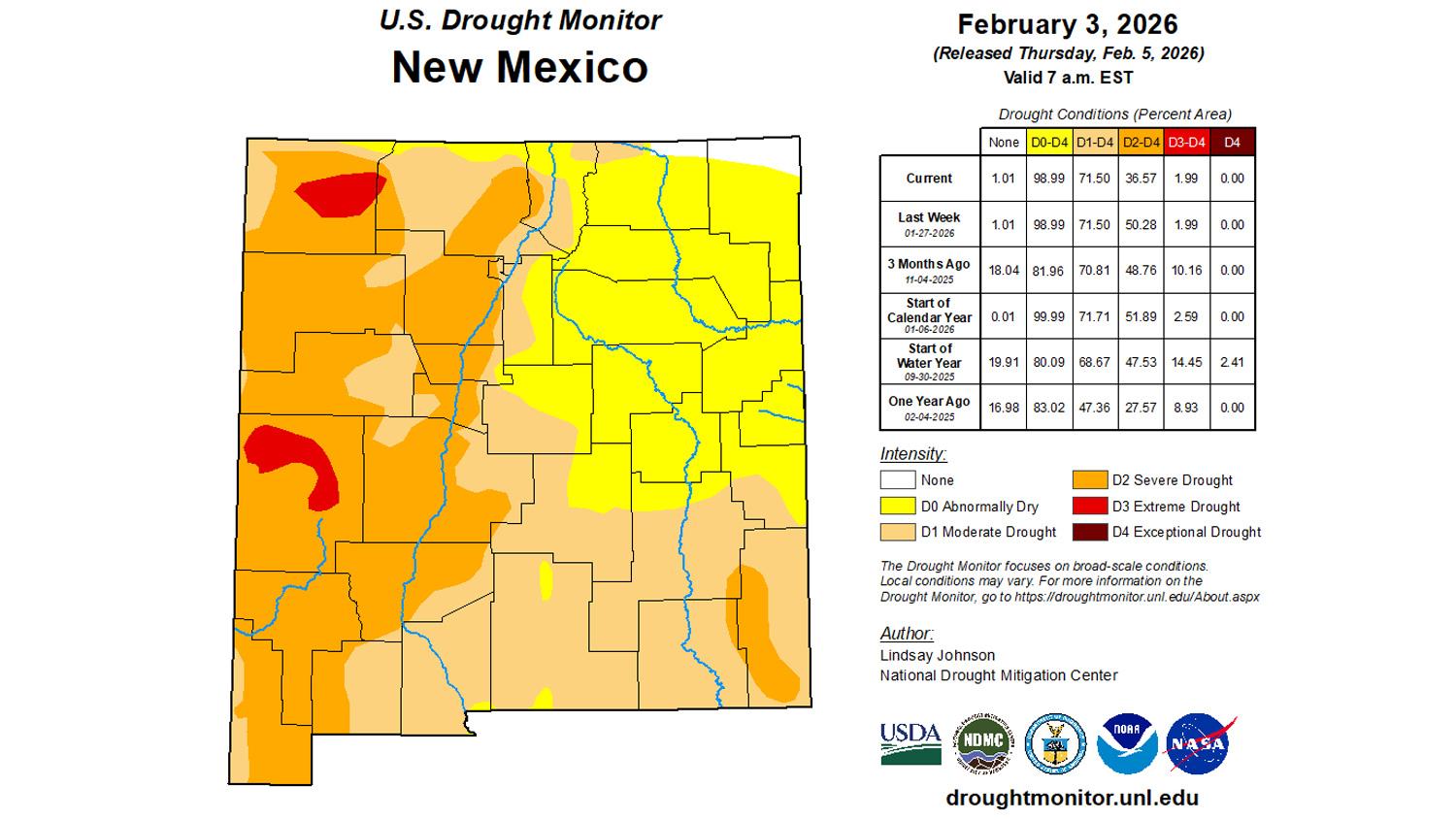
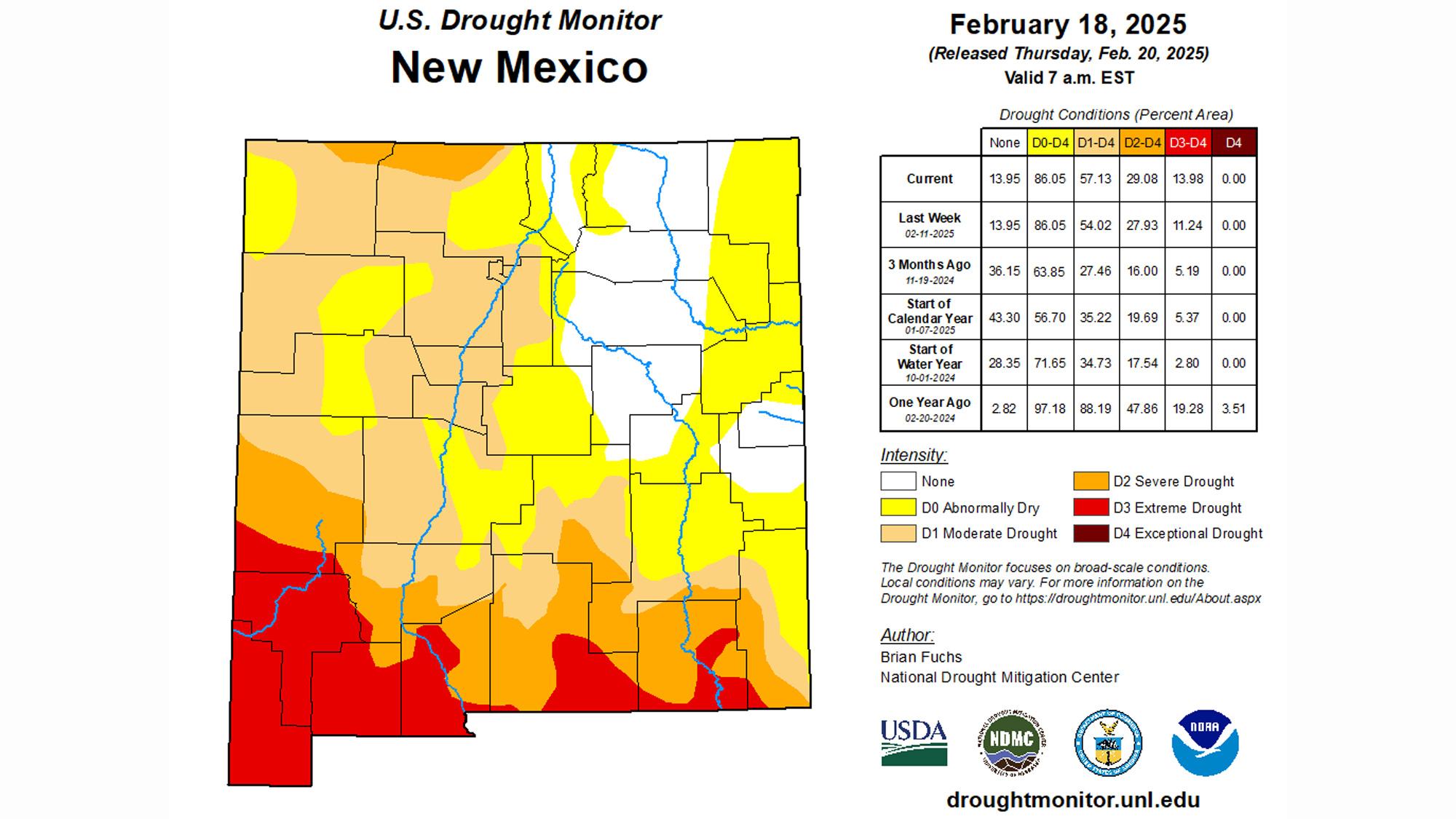
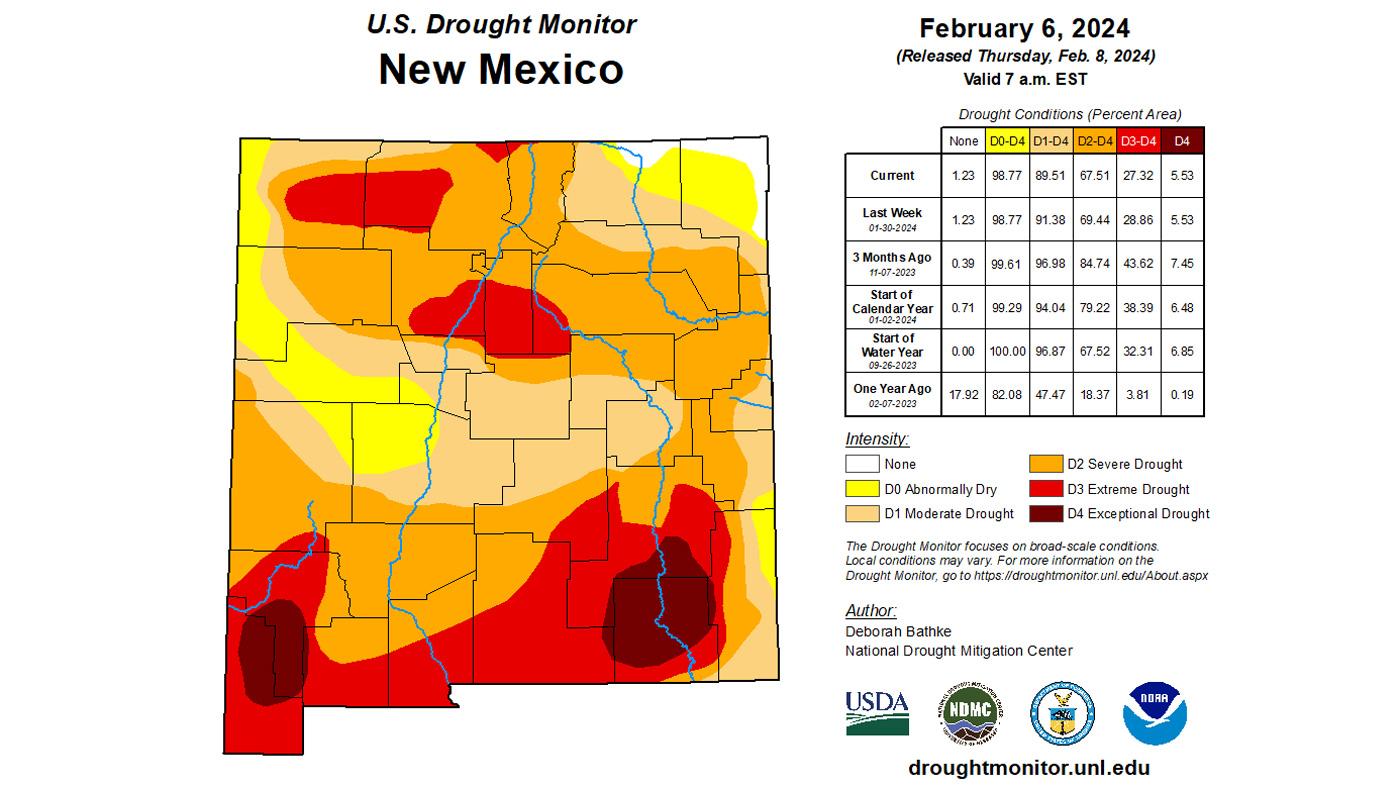
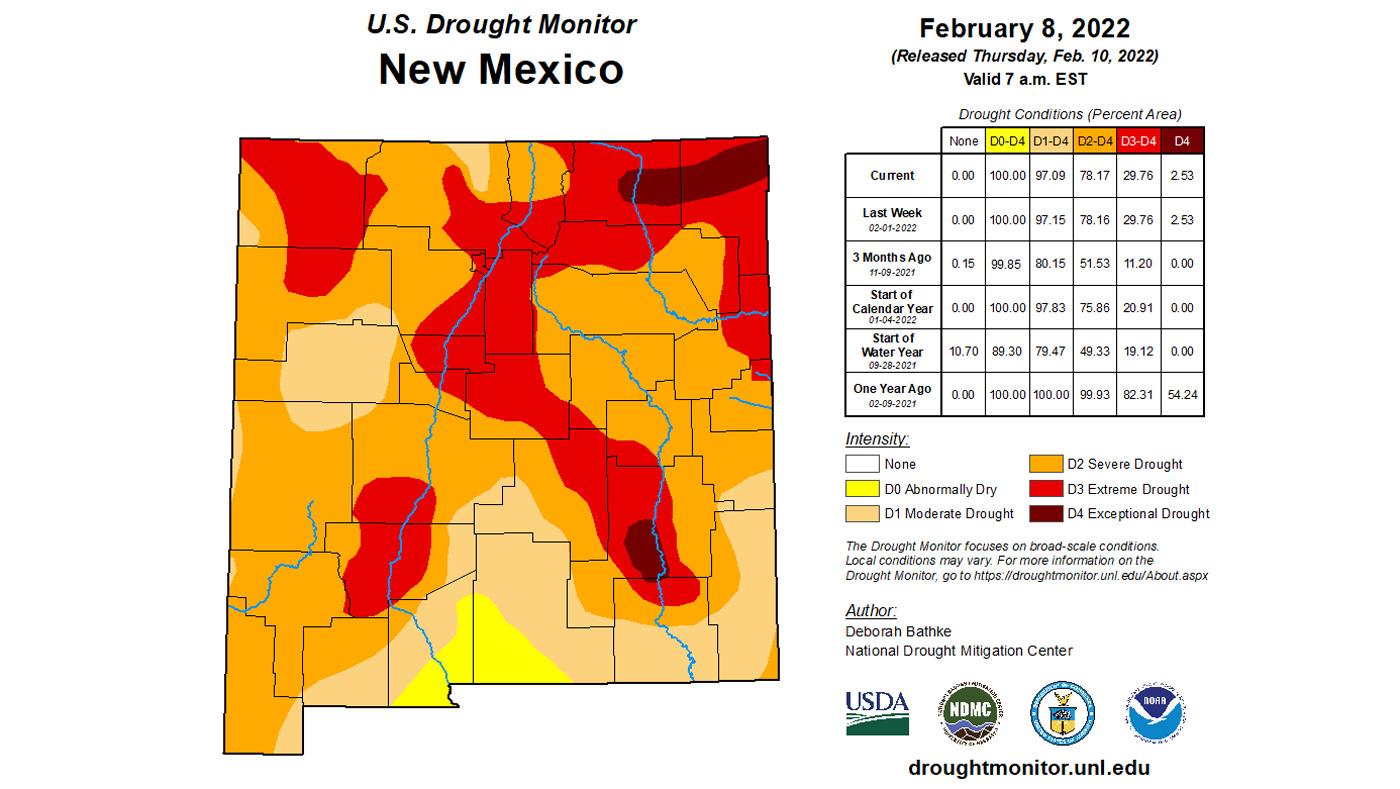
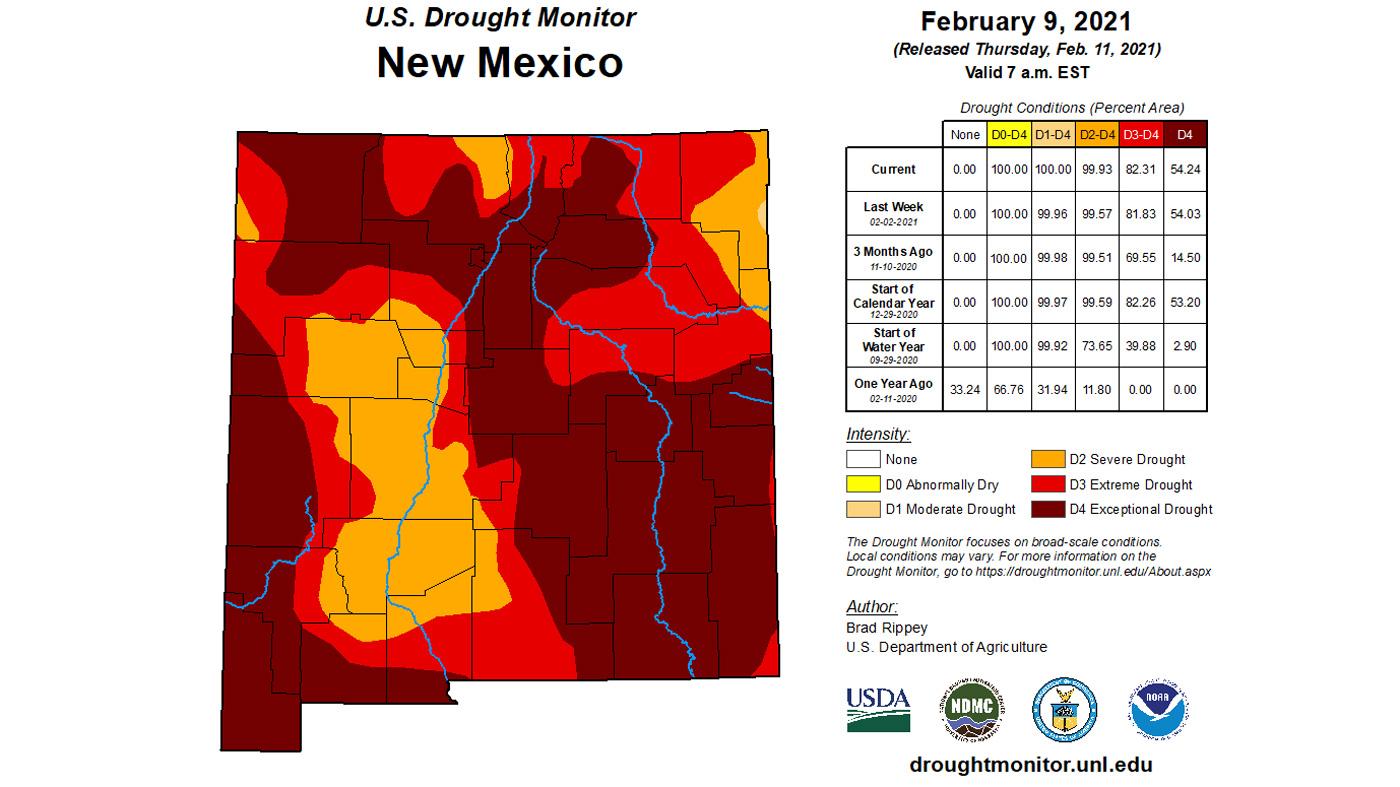
There’s good news and bad news going into 2026 for New Mexico elk hunting. The bad news is that the cost has increased a fair amount, both in regards to the cost to apply and the cost of the tags if you draw. In addition, New Mexico has been experiencing drought conditions for a number of years. Although 2024 and 2025 were slightly better, the beginning of 2026 has been dry, with no significant moisture in the forecast. The lack of good moisture and the lack of good feed likely contributed to a lackluster rut and what I am hearing was poor antler growth last year. While I remain hopeful that environmental conditions will improve, that is merely a hope. It’s more likely that antler growth and calf production will be less than ideal going into the 2026 hunting season.
That’s the bad news, the good news is that New Mexico has one of the best draw systems, in my opinion, of any state in the west. With almost every other state having utilized point systems to allocate tags decades ago, New Mexico’s random draw system is refreshing. Every applicant who applies, no matter if they have been applying for decades or if this is the first year they plan to apply, is on an equal playing field. Add that to the fact that when you apply, you can include three hunt choices, and they consider all three of your choices before moving to the next application. This means that you could draw any of your first three choices. This system allows applicants to apply for good hunts with low odds as their first choice and then taper that to decent hunts with better draw odds as their third choice. You never know when your application will land on the top of the pile so to speak, so it pays to apply for good hunts as your first choice.
Another thing I appreciate about New Mexico is that there are a variety of seasons you can apply for. You can also mix and match those, for example, you could apply for an early archery tag as a first choice and a late muzzleloader hunt as a third choice. New Mexico offers two archery seasons in September, the first running from Sept 1st to the 14th and the second running from September 15 to the 24. Some units also offer a late season spot and stalk style archery hunt. The first archery season is pre-rut for the most part but if you review the statistics you might be surprised to see that many of those hunts have harvest success rates that are equal to or better than the second archery season. Obviously, the second archery season is timed to coincide with the best portion of the rut, but if a die-hard bowhunter is willing to hunt earlier over water, spot and stalk, or do some calling, the last few days of that hunt, they may have better odds of drawing, and harvest rates are good. Muzzleloader and rifle seasons are staggered throughout October. There are also a few November hunts as well. Generally speaking, the earlier October hunts are better hunts, although they are harder to draw. This is due to the fact that the bigger bulls will progressively be moving away from the larger cow/calf herds to find secluded pockets of feed and refuge.
While I don’t think 2026 will be a banner year for antler growth in New Mexico, it will still offer good hunts and a few true giants always pop up each fall. The best units to find and kill a trophy caliber bull are included in the hit list table below. That’s not to say there are no other units where a true giant could be taken, but the units below are the areas that the state manages for an older age class. If you are looking for hidden gems hunts with somewhat better draw odds, I believe those lie in areas that are remote, the access is difficult, or areas where the populations are relatively small and the number of tags are strictly managed. Private lands also hold a number of bigger bulls and while outfitters lease a lot of those, the borders of those areas can be good if a bull drifts away from his comfort zone. This situation is uncommon, but it’s worth some research. Late-season hunts also offer better draw odds. The late-season hunting is much more difficult, but like most things, the harder you work, the luckier you can get.
Finally, given the dry conditions, I do believe that New Mexico does a good job of managing for quality bulls while still offering as much opportunity as they can. In my opinion, New Mexico is a must-apply state for elk, even though it’s somewhat harder to justify than it once was, given the price increase of the hunting license and the cost to front the fee for the tag you apply for. I’ll continue to apply, my hope is that you all will as well and some of us will get to experience the thrill of New Mexico elk hunting in 2026!
The units above represent the best options in terms of quality, but there are many more hunts to choose from — many of which have slightly better odds. The table below lists some of the better mid-tier hunts, with generally better odds, that can still offer a good hunt.
New Mexico offers more hunts than were covered in the tables above. Those that were not covered are tough hunts based on the limited amount of public land and low, scattered elk populations. Insider’s Filtering, Draw Odds and Unit Profiles are key to finding the best opportunities for you to apply in New Mexico. f you have the means to apply with a guide, the odds are better and we highly recommend utilizing that option if you can afford to do so. We cover the guide pool draw odds within your Insider account. Overall, New Mexico is a must apply elk state for us. Do your research, pick and include three hunt choices that match your objective and preferred season, and plan to apply in New Mexico in 2026.
Although the odds of drawing a tag to hunt antelope in New Mexico is tough, for those that do the hunting is really good. Every year there are a number of 80”+ bucks taken from across the state. The trophy potential is not quite as good as it once was, but it’s still solid considering the recent years of continued drought. New Mexico offers archery hunts, some muzzleloader hunts, and typically two to three rifle hunts in most units. The archery hunts give hunters the first crack at bigger bucks and waterhole hunting can be good unless the monsoon rains move through. When picking a unit, consider that you may end up spot and stalk hunting so topography is a critical component to finding success.
New Mexico made a change to their antelope management a number of years ago where hunters can buy over the counter antelope tags and hunt private land where they have gained permission to do so. Finding private land to hunt is difficult, outfitters have leased a lot of that land, but for those willing to go on a guided hunt or dig in and gain private land access there are opportunities to buy an OTC tag and have a great antelope hunt.
Also, it’s worth noting once again that applicants can sign a contract with a guide and apply in the guide draw. The guide draw does offer better odds of drawing.
Overall, New Mexico is a good antelope state for trophy potential. If you are planning to apply for other species like elk, deer, or some of the exotic species I think it’s worth adding your application for antelope. The draw is random, so there is always a chance that you might be the lucky recipient of a great antelope tag!
We also included a second table below of hunts that have better odds of drawing. The high hurdle with those areas is that public land can be very limited and a challenge to access. If you are considering one of those hunt areas, you should start your research as soon as possible and/or try to gain access permission to private property to hunt. These areas can be tough to tackle for the DIY hunters, but the odds of drawing are better.
Even though applicants have to front the cost of the tags they apply for and buy a hunting license to be able to apply, New Mexico is one of the more economical states in the West to apply in. If you plan to apply for all species, you’ll be required to float several thousand dollars, but if you want to pick and choose species like elk, deer, and antelope it’s one of the better deals and, if you are unsuccessful in the draw, the cost of the tag will be refunded quite quickly. In addition, New Mexico’s draw is completely random, and all applications have an equal opportunity to draw. Finally, the trophy potential for elk and antelope is very good. Overall, New Mexico is truly a must-apply state every year for me, and I highly suggest you consider it as well.
The application deadline is March 18, 2026, at 5 p.m. MT. Apply online here.
Applicants can also apply by phone at (888) 248-6866.
Results will be available online on or shortly before April 22, 2026.
The draw is completely random. There is no bonus or preference points system.
Applicants must purchase a hunting or combination hunting/fishing license to apply.
An applicant cannot edit an application once it has been submitted. They can withdraw it and reapply, but will have to pay the application fees once again.
Applicants must front the entire cost of the license(s) they apply for.
Unsuccessful applicants in the draw will have the license fees reimbursed, minus the hunting license and application fees.
Up to four applicants can apply as a party application for elk and antelope.
Residents and nonresidents can apply together on a group application.
There is no minimum age requirement to apply and hunt. Out-of-state hunter education will be accepted for youth ages 9 and older. Youth under the age of 9 must have completed hunter education in New Mexico.
Hunters under the age of 18 must have completed a hunter’s education course to purchase a hunting license and apply in the draw.
Up to 6% of the licenses for each hunt can be allocated to nonresidents in the draw.
Up to 10% of the licenses for each hunt can be allocated to applicants applying with an outfitter/guide.
Residents are guaranteed a minimum of 84% of the licenses for each hunt.
Both residents and nonresidents can apply in the guide draw, but they must have a signed guide/client agreement prior to do so.
Applicants cannot return and obtain a refund for a permit that they drew.
Harvest reporting is mandatory even if you do not harvest.
Fee increases:
A recent legislative change will increase the cost of licenses. These adjustments are intended to support the Wildlife Commission conservation efforts by generating additional funds for habitat restoration, wildlife monitoring, and other critical initiatives. See the fees table below for those costs in 2026.
Youth hunters:
Hunter Education certificates from other states are valid only for youth hunters age 9 and older. There is no age restriction to hunt, but youth under the age of 9 must have completed hunters education in New Mexico.
New Mexico offers some youth-only hunts. You can explore the odds of those within your Insider account. The youth hunting license is only $15.
Mandatory harvest reporting:
All Barbary sheep, deer, elk, ibex, javelina, oryx, antelope, and turkey license holders must submit a harvest report, whether they hunted or not. Harvest reports may be submitted online, by telephone or in person at any New Mexico Department of Game and Fish (NMDGF) office. Failure to report by the deadline(s) will result in rejection of all draw applications.
Open Sights Only for Muzzleloaders:
Only open (iron) or peep sights are allowed on muzzle-loading rifles when used during a muzzleloader hunt. Scopes, red dots, and all other optical sights are prohibited.
Purchase a 2026 game hunting license through the draw application:
Draw applicants purchasing 2026 game hunting licenses to apply for draw hunts must click "Draw Hunt Applications" in the main menu and purchase the license as part of the application process. Do not click "License Sales."
Habitat stamp:
You must purchase a habitat stamp prior to hunting or fishing on BLM and Forest Service lands. The habitat stamp must be carried while in the field.